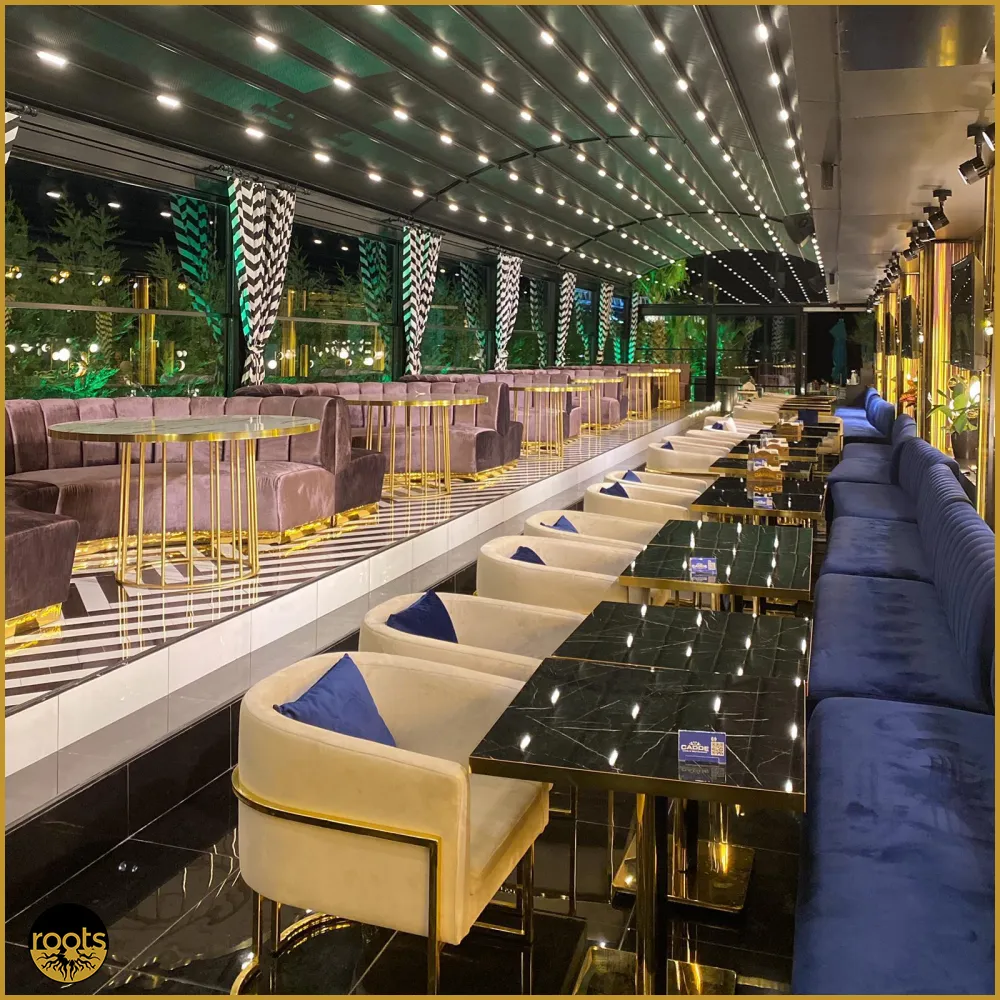
Architectural Restaurant Design: Creating an Unforgettable Experience
The success of your restaurant is directly related not only to the flavors you offer but also to the atmosphere of the space and the experience it provides to your guests. Restaurant interior designs can take a space out of the ordinary and transform it into a destination your customers will want to return to again and again. This comprehensive guide will guide you through the process of choosing the right architectural design for your restaurant.
Why Is Restaurant Design Important?
A well-designed restaurant:
- Strengthens Brand Identity: The style of the space should reflect the cuisine your restaurant offers, the quality of service and the overall brand message.
- Enhances the Customer Experience: Comfortable seating areas, proper lighting, acoustic arrangement and aesthetic elements ensure that guests have a pleasant time.
- Supports Operational Efficiency: A cleverly planned layout optimizes the movement area of the service staff, facilitates the flow between the kitchen and service, and speeds up overall operational processes.
- Provides a Competitive Advantage: Unique and attractive designs help you differentiate from your competitors and attract the attention of your target audience.
- Maximizes the Potential of the Space: The right design ensures that every square centimeter of the space is utilized in the best possible way.
Who Is It Suitable For?
Restaurant interior design services are ideal for anyone in the following situations:
- Entrepreneurs Opening a New Restaurant: Determining the spirit of the space and the aesthetic that will appeal to its target audience while creating a concept from scratch.
- Those Who Want to Renovate Their Existing Restaurant: Those who want to revive an outdated space, expand their customer base or transition to a new culinary concept.
- Those Who Want to Strengthen Their Brand Identity: Operators who want to create an atmosphere that better reflects the vision and values of their restaurant.
- Those Experiencing Operational Problems: Those experiencing problems such as cramped spaces, poor flow and inadequate lighting, and who want to make their space more functional.
- Those Who Want to Increase Customer Satisfaction: Operators aiming to offer their guests a more comfortable, enjoyable and unforgettable experience.
Which Needs Does It Meet?
A comprehensive architectural restaurant design meets multifaceted needs:
- Creating Aesthetics and Atmosphere: It creates the desired atmosphere by determining the overall appearance of the space, the color palette, the lighting design, the furniture selections and the decorative elements.
- Functionality and Ergonomics: It includes arrangements that ensure the most efficient use of areas such as the kitchen, service area, seating layout and restrooms.
- Customer Comfort and Acoustics: Ensuring the comfort of seating layouts, table spacing, sound insulation and overall acoustic comfort.
- Cost Control and Budgeting: It offers the best solutions within budget regarding material selection, labor and scheduling.
- Compliance with Legal Regulations: It offers design solutions that comply with legal requirements such as fire safety, disabled access and health standards.
- Brand Integrity: It ensures brand consistency by creating an interior that is in harmony with the restaurant's logo, colors and concept.
In Which Situations Should It Be Preferred?
Restaurant design must be approached with a professional approach in the following situations:
- Opening a New Restaurant: Creating the space that will leave the most suitable and memorable first impression for your concept.
- Relocation or Expansion: Integrating the new area when moving to a different location or expanding the existing space.
- Concept Update: Ensuring that the space keeps up with this change when changing the existing culinary concept (for example, transitioning from fast food to fine dining).
- Areas with Intense Competition: When a striking design is needed to stand out from your competitors and come to the fore.
- Customer Complaints: When there is recurring customer feedback regarding the comfort, flow or atmosphere of the space.
- Increasing Investment Potential: To strengthen future investment opportunities by increasing the overall appeal and value of the space.
What Are Its Differences from Alternatives?
Professional architectural restaurant design differs from other approaches in the following aspects:
- Personalization and Concept Alignment: Beyond ready-made solutions or mere decoration, it focuses on the restaurant's unique concept, target audience, and brand values.
- Balance of Functionality and Aesthetics: It aims to create a space that is not only visually appealing but also operationally efficient and comfortable for guests.
- Cost-Benefit Analysis: It develops strategies that will increase customer satisfaction and brand value while optimizing costs in the long term.
- Technical Knowledge and Experience: It offers expertise in areas such as lighting, acoustics, materials science, structural calculations, and legal regulations.
- Holistic Approach: It addresses every point of the space as a whole, not only the seating areas but everything from the entrance to the restrooms.
Material Selection: Durability, Aesthetics, and Cost Comparison
The materials used in restaurant spaces determine both the aesthetic appearance and longevity. Here is a comparison of some commonly used material types:
| Material Type | Durability | Interior/Exterior Architectural Use | Cost (General Assessment) |
|---|---|---|---|
| Natural Wood | Medium - High (depending on processing) | Mainly interior, requires special protection for exterior use. | Medium - High |
| Marble/Granite | Very High | Interior and exterior (countertops, floors, wall cladding) | High |
| Ceramic/Porcelain Tile | High | Interior and exterior (floors, walls) | Low - Medium |
| Concrete/Decorative Concrete | Very High | Interior and exterior (floors, walls, countertops) | Low - Medium |
| Metal (Stainless Steel, Iron, etc.) | High | Interior and exterior (furniture, accessories, facades) | Medium - High |
| Glass | Medium (tempered glass offers high durability) | Interior and exterior (partitions, facades, tables) | Medium |
| Synthetic Materials (SPC, LVT, etc.) | High | Mainly interior | Low - Medium |
Things to Consider Before Purchasing
Here are the important points you should pay attention to before starting the restaurant design process and when receiving this service:
- Target Audience Analysis: Clearly determine which demographic your restaurant appeals to. The design should match the expectations of your target audience.
- Budget Determination: Create a detailed budget covering all items such as design, implementation, furniture, lighting, and decoration.
- Physical Characteristics of the Space: Have clear information about the current condition of the space, its dimensions, daylight exposure, and infrastructure (electricity, water, ventilation).
- Restaurant Concept and Cuisine Type: The design should be compatible with the type of cuisine you offer (for example, Italian, Asian, Turkish) and the overall concept of the restaurant (fine dining, casual, bistro).
- Reference and Portfolio Review: Review the previous work of the designer or company to assess whether their style and experience align with your vision.
- Detailed Project Plan and Presentation: Before signing an agreement, request a detailed plan on how the design will proceed, which stages it will go through, the materials to be used, and delivery times.
- Legal Permits and Regulations: Make sure the design will comply with local zoning regulations, fire safety standards, and other legal requirements.
- Communication and Collaboration: Maintaining open and regular communication with the designer throughout the design process is critical to the success of the project.
Frequently Asked Questions (FAQ)
How long does restaurant design take?
The duration of the design process may vary depending on the size and complexity of the project, the condition of the space, and the workload of the design team. Generally, it can take from a few weeks to a few months, from the preliminary concept stage to detailed project development.
Can design be done in an existing restaurant without renovation?
Yes, design improvements can be made in an existing restaurant without major renovations. With lighting, color selection, furniture arrangement, use of accessories and small architectural touches, the atmosphere of the space can be changed significantly.
Why is lighting design so important?
Lighting directly affects the atmosphere, warmth and ambiance of a space. Correct lighting makes food look more appetizing, increases the comfort of guests and raises the aesthetic value of the space. A balanced use of functional and decorative lighting is ideal.
Why should acoustic arrangement be considered?
In restaurants, high sound levels can be disturbing when they prevent guests from conversing. Acoustic arrangement creates a calmer and more enjoyable environment by reducing echo and ensuring sound spreads in a more controlled way. This increases customer satisfaction.
The architectural design of your restaurant is one of the most important elements that directly affects the value of your investment and customer satisfaction. With correct planning and a professional approach, you can transform your space into an unforgettable experience center.











































































