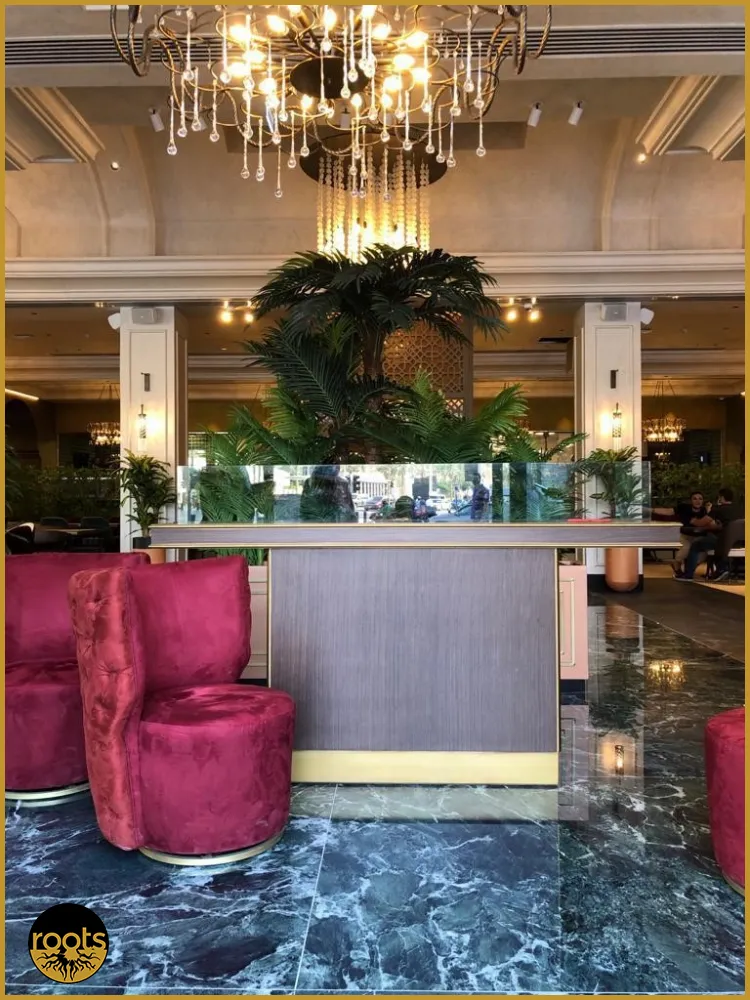
Architectural Restaurant Design: Bringing Together Aesthetics and Functionality
In the success of a restaurant, not only the flavors it offers but also its atmosphere and user experience play a major role. **Architectural restaurant design** is a critical element that defines the identity of the space, increases customer satisfaction and strengthens the brand image. A well-designed restaurant offers visitors an unforgettable experience, encouraging them to come again.
What Is Restaurant Design and Why Is It Important?
Restaurant design is a whole that covers both the aesthetic and functional aspects of a dining venue. This is not just about choosing wall colors or placing furniture. It encompasses many details such as the overall concept of the space, its target audience, the type of cuisine offered, operational flow and customer experience. Effective restaurant design:
- Enriches the customer experience: A comfortable and inviting environment allows guests to stay longer.
- Reflects brand identity: Design tells the story of the restaurant and creates a memorable image.
- Increases operational efficiency: Smart organization of kitchen and service areas raises staff performance.
- Provides a competitive advantage: A unique design helps you differentiate from competitors.
Who Is It Suitable For?
Architectural restaurant design services are suitable for anyone in the following situations and needs:
- Entrepreneurs planning to open a new restaurant.
- Operators who want to renew the concept of their existing restaurant or strengthen their brand image.
- Restaurant owners aiming to increase customer satisfaction and return rates.
- Cafe, bar or hotel operators who want to create a differentiated brand identity.
- Businesses that want to optimize space efficiency and reduce operational costs.
Which Needs Does It Meet?
Professional restaurant design meets various fundamental needs:
- Concept Development: Creating an original concept suited to the identity of the space, its target audience and the cuisine offered.
- Space Organization: Optimizing both customer comfort and operational flow through the rational layout of seating, kitchen and service areas.
- Creating Atmosphere: Providing the desired atmosphere (intimate, luxurious, modern, rustic, etc.) through lighting, colors, materials and decorative elements.
- Customer Experience Optimization: Integrating details into the design that will make guests feel comfortable and special.
- Branding and Identity: Creating a memorable brand identity consistent with the restaurant's logo, menu and overall aesthetics.
- Cost Control: Determining the most suitable materials and solutions within budget during the design process.
In Which Situations Should It Be Preferred?
Restaurant design is of great importance not only when opening a new venue but also in the following situations:
- When the existing space has become outdated or non-functional.
- The need to update the brand image or reach a new target audience.
- The desire to bring a different breath to stand out in competition and attract customers.
- Eliminating inefficiencies experienced in kitchen or service operations.
- The necessity to increase the flexibility of the space for special events or themed evenings.
What Is Its Difference from Alternatives?
Unlike traditional or amateur approaches, professional architectural restaurant design stands out in the following aspects:
- Holistic Approach: It considers not only aesthetics but also all elements such as functionality, customer flow, operational efficiency and brand identity together.
- Expertise and Experience: It benefits from the designers' expertise in current industry trends, material knowledge, ergonomics and legal regulations.
- Originality: Unique solutions specific to each project, appealing to the brand's spirit and target audience, are offered.
- Cost Effectiveness: In the long term, a well-planned design prevents unnecessary expenses and can reduce costs through operational efficiency.
- Risk Reduction: Potential problems and errors are anticipated during the design phase, preventing issues that may arise during implementation.
Material Selection and Comparison
In restaurant design, material selection directly affects the aesthetics, durability, maintenance and cost of the space. Here is a comparison of some common material types:
| Material Type | Durability | Indoor/Outdoor Use | Average Cost | Example Areas of Use |
|---|---|---|---|---|
| Wood | Medium - High (varies by type) | Both indoor and outdoor (with suitable treatment) | Medium - High | Tabletops, chair frames, wall panels, flooring (parquet) |
| Natural Stone (Granite, Marble, etc.) | High | Both indoor and outdoor | High | Countertops, floors, wall claddings, fireplace surrounds |
| Metal (Stainless Steel, Iron, etc.) | High | Both indoor and outdoor | Medium - High | Table legs, chair frames, lighting fixtures, kitchen equipment |
| Ceramic/Porcelain | High | Both indoor and outdoor | Low - Medium | Floors, wall claddings, countertops |
| Concrete (Decorative) | High | Both indoor and outdoor | Low - Medium | Floors, walls, countertops, seating elements |
| Glass | Medium (fragility) - High (tempered) | Both indoor and outdoor | Medium | Glass partitions, tabletops, decorative elements |
Things to Consider Before Purchasing
Paying attention to the following points before receiving a professional restaurant design service will make the process more efficient and successful:
- Budget Determination: Clearly determine how much you can spend.
- Target Audience Analysis: Understand whom you will serve and their expectations.
- Concept Clarity: Have an idea about your restaurant's type, the cuisine it will offer and the overall atmosphere.
- Space Characteristics: If possible, have information about the dimensions of the space, its current condition and possible restrictions.
- Designer Research: Review their previous projects, check their references and evaluate their communication style.
- Functionality Priority: Do not overlook operational efficiency as much as aesthetics.
- Communication and Agreement: Put details such as agreement terms, delivery dates and payment plan in writing.
Frequently Asked Questions (FAQ)
The design process can vary depending on the scope, size and complexity of the project. On average, it can take between a few weeks and a few months, including concept development, detailed drawings and material selections. The implementation and construction period depends on the size of the project.
Kitchen layout is the heart of restaurant operations. An effective kitchen design ensures that preparation, cooking and service processes flow smoothly, increases staff efficiency and helps maintain food safety standards. Therefore, kitchen layout is one of the most critical elements of the design.
Lighting is one of the most powerful tools that shape the atmosphere of a space. With the right lighting, a space can be made more inviting, warm and comfortable. By using different light levels and colors, it is possible to create different atmospheres in different areas of the space. For example, dim and warm lights offer a more intimate environment, while bright and clear lights can create a more energetic ambiance.
When receiving a design service, you should first review the designer's portfolio and previous work. Communication skills, the capacity to understand your project and the ability to offer creative solutions are important. In addition, you should clarify the contract details, payment plan and project timeline. Choosing a professional with whom you can establish trustworthy and transparent communication is critical for the success of the process.
In small spaces, space efficiency and a sense of spaciousness should be prioritized. Light colors, the use of mirrors, smart storage solutions and multifunctional furniture can help the space look larger and brighter. Lighting, when used wisely, can make the space more inviting. In addition, solutions that provide flexibility in seating arrangement can be preferred.
The success of your restaurant can be significantly shaped by the right architectural design. Getting professional support to maximize the potential of your space, enrich the customer experience and create an unforgettable brand identity will be the most profitable investment in the long term.











































































