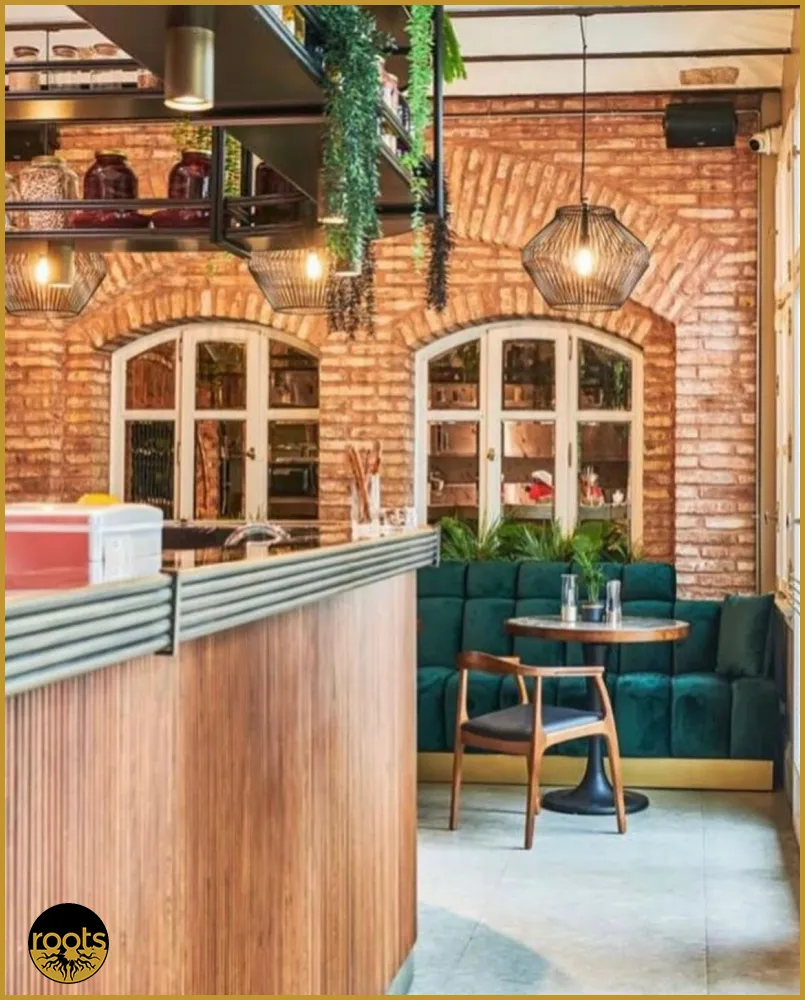
Architectural Restaurant Design and Interior Solutions
The success of your restaurant is directly related not only to the delicious food you serve but also to the atmosphere you offer your customers. A successful architectural restaurant design forms the foundation of creating a space that is both aesthetically striking and functional. This comprehensive guide will guide you through the process of choosing the most suitable interior design for your restaurant.
What Is Architectural Restaurant Design?
Architectural restaurant design is the planning, arrangement and decoration of a restaurant's physical space in a way that reflects its brand identity, optimizes the customer experience and ensures operational efficiency. This process covers many details, from the overall concept of the space to furniture selection, from lighting to acoustic arrangement.
Why Is Professional Restaurant Design Important?
Effective restaurant design provides the following key benefits:
- Improves the Customer Experience: A comfortable and inviting atmosphere encourages customers to stay longer and visit again.
- Strengthens Brand Identity: Design tells your restaurant's story and sets you apart from your competitors.
- Increases Operational Efficiency: A well-planned kitchen, service area and seating layout allow your staff to work more efficiently.
- Maximizes the Potential of the Space: Smart use of every square meter can increase seating capacity and therefore revenue.
- Creates the First Impression: The impression customers get the moment they step into the space greatly influences the rest of their experience.
Who Is This Design Suitable For?
Professional restaurant design applies to anyone in the following situations:
- Entrepreneurs Opening a New Restaurant: Those who want to create a strong brand identity and a functional space from scratch.
- Those Who Want to Renovate Their Existing Restaurant: Business owners who want to modernize their outdated spaces that no longer meet contemporary expectations.
- Those Undergoing a Brand Refresh: Businesses that are changing their concept or want to appeal better to their target audience.
- Those Who Want to Gain a Competitive Advantage: Those aiming to stand out from their competitors in the sector.
Which Needs Does It Meet?
Architectural restaurant designs meet a wide range of needs:
- Aesthetic Needs: Creating a striking and space-specific visual identity.
- Functional Needs: Organizing customer flow, increasing service speed, ensuring kitchen efficiency.
- User Experience Needs: Offering customers a comfortable, safe and enjoyable experience.
- Marketing and Branding Needs: Effectively communicating the restaurant's concept and values.
- Cost Optimization: Achieving long-term cost savings by choosing durable materials and planning space smartly.
In Which Situations Should It Be Preferred?
A professional architectural restaurant design should especially be preferred in the following situations:
- When Opening a Conceptual Restaurant: For special restaurants offering a specific theme, cuisine or experience.
- When the Space Has Physical Constraints: To reveal maximum potential in a small, irregular or challenging area.
- When Appealing to a Specific Target Audience: To create environments suitable for different customer groups such as families, young people, romantic dinners or business meetings.
- When Opening a New Branch: To carry the existing brand identity consistently to a new location.
- When Wanting to Offer an Innovative Experience: To go beyond the ordinary and give customers unforgettable moments.
Alternative Design Approaches and Their Differences
Various approaches are available in restaurant design. Among them:
- Minimalist Design: Focuses on clean lines, neutral colors and functionality. Creates a spacious atmosphere with few details.
- Industrial Design: Raw materials (concrete, metal, brick), exposed pipes and large open areas are characteristic. Gives a more dynamic and cool feel.
- Rustic Design: Natural wood, stone and warm colors are used. Offers a cozy and traditional atmosphere.
- Modern Design: Shaped by geometric forms, glossy surfaces and innovative materials. Provides a stylish and contemporary look.
- Eclectic Design: Creates original and characterful spaces where different styles are boldly brought together.
The design to be chosen should be in harmony with the restaurant's concept, target audience and brand identity. For example, while an elegant and sophisticated modern or classic design is preferred for a fine-dining restaurant, a more relaxed and cozy rustic or industrial design may be suitable for a cafe.
Material Selection and Comparison
Materials used in restaurant design directly affect both the aesthetic appearance and the durability of the space. Here is a comparison of some commonly used material types:
| Material Type | Durability | Interior/Exterior Architectural Use | Cost (Average Assessment) | Features and Areas of Use |
|---|---|---|---|---|
| Natural Stone (Granite, Marble, etc.) | Very High | Both Interior and Exterior | High | On floors, walls, countertops; offers a luxurious and timeless look. Requires careful maintenance and installation. |
| Wood (Solid, Veneer, Composite) | Medium-High (varies by type) | Generally Interior, Exterior with special exterior applications | Medium-High | Floors, wall coverings, furniture, ceiling details; creates a warm and natural atmosphere. |
| Ceramic / Porcelain Tile | High | Both Interior and Exterior (suitable types) | Low-Medium | Frequently used on floors and walls. Easy to clean, resistant to moisture and stains. Offers a wide range of patterns and colors. |
| Concrete / Decorative Concrete | High | Both Interior and Exterior | Low-Medium | Used on floors, walls, ceilings. Provides an industrial and modern aesthetic. May require insulation and sanding. |
| Metal (Stainless Steel, Iron, etc.) | High | Both Interior and Exterior | Medium-High | Used for decorative elements, lighting elements, furniture frames, kitchen equipment. Contributes to a modern and industrial look. |
| Glass (Tempered, Frosted, etc.) | Medium (breakable, but tempered glass is safer) | Both Interior and Exterior | Medium | Used for dividers, doors, window edges, tabletops. Adds spaciousness and light to the space. |
Points to Consider Before Purchasing and Implementation
When bringing your restaurant's design to life or investing in this direction, you should pay attention to the following points:
- Acoustics of the Space: In a busy restaurant environment, sound reverberation can negatively affect the guest experience. Pay attention to sound insulation and the use of absorbent materials.
- Lighting Plan: Lighting is very important for both ambiance and functionality. The right lighting determines the warmth and atmosphere of the space.
- Ergonomics and Comfort: Furniture selection and arrangement are critical for customers to sit comfortably, move easily, and for service to run smoothly.
- Durability and Ease of Maintenance: Restaurants are spaces subject to intensive use. Choosing materials that are easy to clean and long-lasting reduces operating costs.
- Brand Integrity: The design must be in complete harmony with your restaurant's concept, menu, and target audience.
- Legal Regulations: Compliance with local regulations such as fire safety, disabled access, and hygiene standards must be ensured.
- Flexibility: Consider a flexible design that can adapt to needs that may change over time.
Frequently Asked Questions
Making the right design decisions for the success of your restaurant will directly affect the return on your investment in the long term. It is important to manage this process carefully to maximize the potential of your space and offer your guests an unforgettable experience.











































































