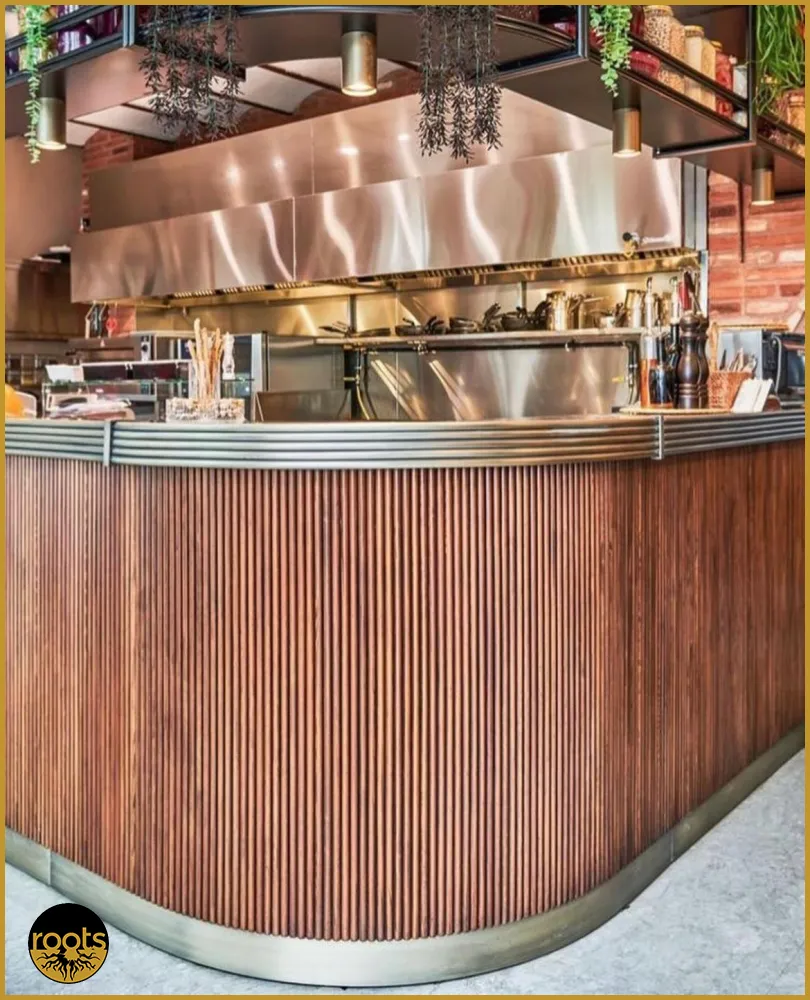
Fundamentals of Architectural Restaurant Design and Its Role in Business Success
The success of a restaurant is directly related not only to the flavor of the dishes served but also to how guests feel in that space. Architectural restaurant design is, beyond an aesthetic concern, a strategic process that forms the spirit of the space and determines operational efficiency. A correct interior design reflects the brand's identity while also increasing customer loyalty and optimizing the working performance of the staff.
Interior designs encompass a wide range, from acoustic balance to lighting hierarchy, from scent management to table layout plan. The aim in this process is to make the user experience (UX) flawless in the physical space. A good design must tell a story that captivates the customer from the moment they enter the door.
Who Is Restaurant Design Suitable For and What Needs Does It Meet?
A professional interior design service appeals to a wide audience, from entrepreneurs taking their first step into the sector to well-established businesses wishing to renovate their existing space (renovation). An architectural touch becomes a necessity especially in the following situations:
- Brand Positioning: The design language of a luxury fine-dining restaurant and that of a fast-consumption-oriented fast-food chain are completely different from each other. Design conveys the right message to the target audience.
- Operational Efficiency: The correct setup of traffic between the kitchen and service areas ensures that orders are transmitted quickly and staff fatigue is reduced.
- Space Optimization: Achieving maximum seating capacity in limited square meters without compromising comfort is only possible with technical planning.
- Acoustic and Lighting Problems: Spaces that are so noisy that customers cannot hear each other or that are incorrectly lit to the point of suppressing appetite require design intervention.
Material Selection: Durability and Aesthetics Comparison
In restaurant projects, material selection directly affects both the cost and the lifespan of the space. Since the rate of wear and tear is high in commercial spaces, materials of industrial standards should be preferred.
| Material Type | Durability Level | Area of Use | Cost Analysis |
|---|---|---|---|
| Natural Wood (Solid) | Medium - High (Requires maintenance) | Floor, Table, Panel | High |
| Ceramic and Porcelain | Very High | Floor, Kitchen, Wet Areas | Medium |
| Epoxy and Concrete | Very High | Industrial Kitchen, Modern Floor | Low - Medium |
| Metal and Steel | Highest Level | Lighting, Decorative Partitions | Medium - High |
| Textile (Acoustic Panels) | Medium (Stain-resistant feature) | Wall, Ceiling, Booth | Medium |
Critical Points to Consider During the Design Process
There are some technical details that investors and designers should focus on before starting a restaurant project:
- Ventilation and Air Conditioning: Preventing kitchen odors from leaking into the dining area and maintaining indoor air quality are of vital importance for customer satisfaction.
- Circulation Areas: Ensuring that the passageways of service staff do not intersect with the routes customers take to the restroom speeds up operational flow.
- Ergonomics: The relationship between chair height and table distance is the most important factor affecting the length of time a customer stays in the space.
- Lighting Scenarios: While maximum benefit is obtained from natural light during the day, dimmable systems that will change the ambiance of the space in the evening hours should be used.
- Legal Regulations: It is mandatory to produce technical drawings compliant with fire exits, disabled access and hygiene certificates.
Why Should Professional Architectural Support Be Obtained?
Many business owners can see design as merely furniture selection. However, a professional architectural restaurant design combines technical infrastructure (electrical, plumbing, mechanical) with aesthetics. Compared to its alternatives, professional design provides lower maintenance costs in the long run, higher customer turnover, and an increase in brand value. The "dead space" problem frequently encountered in designs done with one's own means can be transformed into profitable areas with professional planning.
Frequently Asked Questions
Question 1: Does color choice in restaurant design affect appetite?
Yes, color psychology plays a critical role in restaurant design. For example, while warm colors (red, orange) are appetite-stimulating and energizing; blue tones can have a calming and appetite-suppressing effect. The color palette should be determined according to your concept.
Question 2: How should restaurant design be in a small square-meter area?
In small spaces, it is necessary to increase vertical use, create a perception of depth with mirrors, and prefer multi-functional furniture. Additionally, open kitchen concepts help the space be perceived as larger than it is.
Question 3: How long does the design process take?
Depending on the size of the space and the scope of the project, the design process generally varies between 2 and 8 weeks. The implementation process, on the other hand, varies according to the procurement time of the selected materials.
Question 4: What should be considered in lighting selection?
A balance should be established between focal lighting (above the tables), ambient lighting, and accent lighting (for artworks or architectural details). Warm-toned LED systems that do not strain the eyes are ideal for commercial spaces.
In conclusion, restaurant interior designs are not just a visual presentation but the most important investment made for the sustainability of the business. A well-planned space is both a comfortable workshop for employees and an unforgettable experience area for guests. At the decision-making stage, focusing on durable and functional solutions that can meet not only today's trends but also the needs of the future is the key to success.











































































