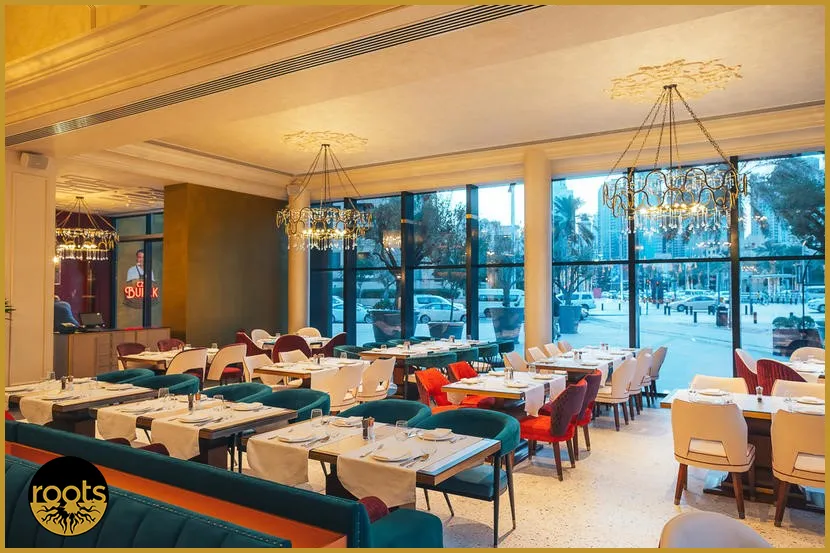
Architectural Restaurant Design and Interior Dynamics
The success of a restaurant business is directly related not only to the quality of the flavors offered but also to the construction of the physical environment in which guests find themselves. Architectural restaurant design is not merely an aesthetic concern; it is a spatial expression of operational efficiency, customer psychology and brand identity. A professional interior design aims to optimize the entire experience of a visitor from the moment they enter the space until the moment they leave.
Why Is Professional Interior Design Necessary?
In restaurant projects, the design process transcends the physical boundaries of the space and turns into a construction of a living space. A correctly planned interior meets the following fundamental needs:
- Organizing Operational Flow: The movement paths of waiters, the distance between the kitchen and the service area, and the non-overlapping of customer circulation are ensured.
- Customer Comfort and Ergonomics: Seating arrangement, table distances and furniture choices affect the time a customer spends in the space and their desire to return.
- Acoustic and Lighting Management: Preventing noise pollution in the space and using the correct light angles directly determine the visual presentation of the food and the ambience of the environment.
- Brand Identity: Design communicates the segment of the business (fine-dining, fast-casual, cafe, etc.) to the customer without words.
Critical Points to Consider in the Design Process
Before the purchasing or project design stage, the technical and aesthetic details that affect the success of a restaurant must be meticulously examined. It is not enough for a design to merely look "beautiful"; it must also be sustainable and functional.
The following items are the fundamental elements that determine the quality of a design:
- Ventilation and Air Conditioning: Ensuring that kitchen odors do not leak into the customer area and preserving indoor air quality is the top priority item of the technical infrastructure.
- Durable Material Selection: Commercial spaces are subject to much more intensive wear than homes. Floor and surface materials being easy to clean and resistant to impacts reduces operating costs in the long term.
- Accessibility: Disabled ramps, passage areas of appropriate width and restroom designs are both a legal obligation and a requirement of an inclusive business approach.
Comparison of Material Types and Usage Areas
The materials preferred in restaurant interiors affect both the budget and the lifespan of the space. The following table summarizes the characteristics of commonly used material types:
| Material Type | Usage Area | Durability | Cost Axis | Maintenance Need |
|---|---|---|---|---|
| Natural Stone / Marble | Bar counter, Floor | High | High | Requires regular sealing |
| Industrial Ceramic | Kitchen, Wet Area | Very High | Medium | Low |
| Solid Wood | Table, Panel Cladding | Medium | High | Requires periodic varnishing |
| Composite Panels | Wall Cladding, Decor | Medium - High | Economical | Very Low |
Differences Between Alternative Design Approaches
When deciding on a restaurant design, it is important to understand the difference between standard decoration practices and architectural design processes. While standard practices generally focus on trends, architecture-oriented approaches are based on the structural efficiency of the space.
For example, while open kitchen concepts give a sense of transparency and trust, they require more professional engineering in terms of sound and heat management. On the other hand, more enclosed and dim designs are suitable for the fine-dining experience and increase the perception of privacy.
Frequently Asked Questions
1. How long does the restaurant design process take?
The design process generally varies between 4 and 8 weeks depending on the square footage of the space and the complexity of the concept. This period includes technical drawings and material selections.
2. What is the role of lighting in design?
Lighting enables customers to focus on their food and determines circulation. Generally, a three-layer planning (general, task and accent lighting) is preferred to increase the depth of the space.
3. What should be considered when renovating an existing restaurant?
The compatibility of the existing infrastructure (water, electricity, ventilation) with the new plan should be checked. Since structural changes may increase costs, opting for decorative innovations while remaining faithful to the existing load-bearing system can be a more economical option.
4. Why is acoustic arrangement important?
Customers being in an environment that is too noisy to hear each other or too quiet negatively affects the experience. An ideal acoustic balance should be achieved with ceiling panels, fabric surfaces and correct layout.
Final Evaluation Before Making a Decision
Reviewing the following checklist before starting a restaurant project will increase the efficiency of your investment:
- Does the design language match the expectations of your target audience?
- Are the selected materials durable enough not to strain the operating budget in long-term use?
- Does the ergonomics between the kitchen and service areas ease the workload of the staff?
- Is the space compliant with local regulations and fire safety standards?
It should not be forgotten that; good restaurant design is not only a visual appeal that impresses at first glance, but every square meter of the business serving profitability and customer satisfaction.











































































