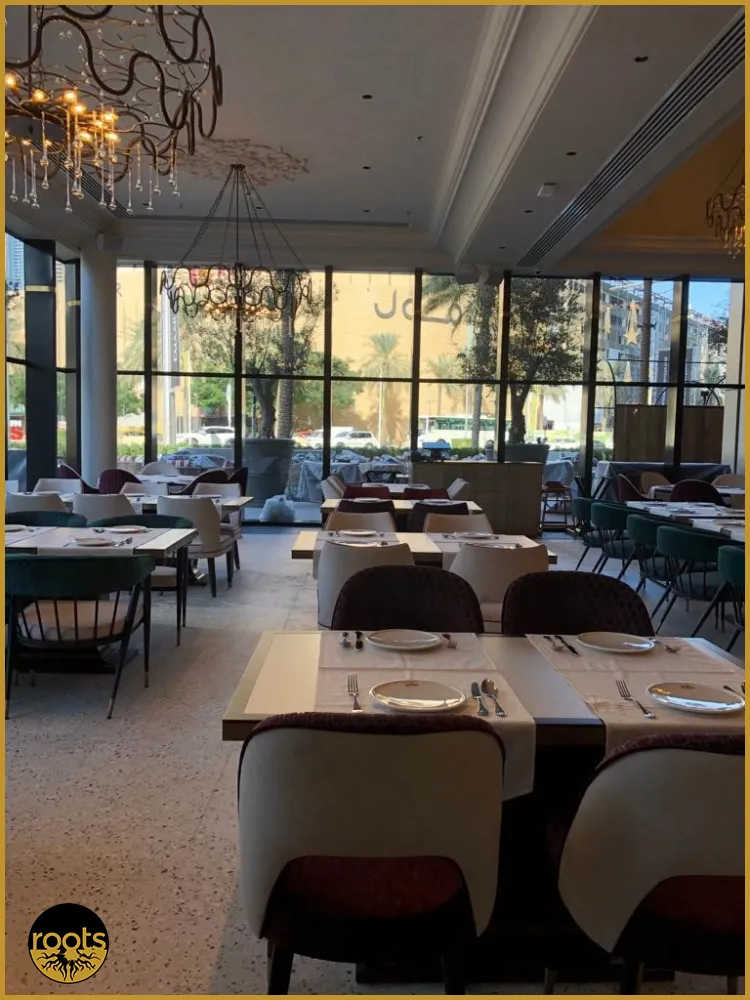
Architectural Restaurant Design: The Identity and Success of Your Venue
The success of your restaurant is directly related not only to the flavors you offer but also to the atmosphere, aesthetics and functionality of your venue. Architectural restaurant design aims to offer an unforgettable customer experience by bringing these critical elements together.
What Is Restaurant Interior Design and Why Is It Important?
Restaurant interior design is the process of arranging the physical space of a dining venue in an aesthetic, functional and user-oriented way. This involves not only placing furniture but also planning the overall atmosphere, lighting, color palette, material selections and flow of the space. A successful interior design:
- Leaves a positive first impression on customers.
- Enriches the dining experience and encourages guests to stay longer.
- Strengthens brand identity and increases memorability.
- Improves staff efficiency and working conditions.
- Contributes directly to the overall success and profitability of the venue.
Every restaurant has its own unique story, concept and target audience. Architectural restaurant design translates your brand's values and promises into a visual language by integrating these elements into the physical structure of the venue.
Who Is This Service For?
This service appeals to a wide audience, from entrepreneurs planning to open a new restaurant to business owners who want to renovate their existing venues. In particular:
- New Restaurant Investors: Those who want to create a restaurant concept from scratch and reflect this concept in the venue in the best possible way.
- Existing Restaurant Owners: Those whose venues are physically worn out, have functional problems or want to keep up with current trends.
- Restaurant Chain Brands: Those who want to offer a consistent brand identity and experience across their different branches.
- Special Concept Venues: Businesses with unique identities such as themed restaurants, fine dining venues, boutique cafes or wine bars.
Which Needs Does It Meet?
Professional architectural restaurant design meets many critical needs of your business:
- Spatial Planning and Flow Optimization: Designing the kitchen, service area, seating layout and customer circulation paths in the most efficient way.
- Aesthetic and Concept Harmony: Bringing the venue to an attractive appearance fully in harmony with the brand identity, target audience and business concept.
- Customer Experience Improvement: Increasing guest satisfaction with comfortable seating areas, correct lighting, acoustic arrangements and overall atmosphere.
- Functionality and Ergonomics: Solutions that provide ease of use for both customers and staff and increase operational efficiency.
- Cost Control and Budget Management: Producing smart solutions suitable for the budget, from material selections to implementation processes.
- Legal Compliance: Designs in accordance with the standards required for construction, renovation and operating permits.
When Should It Be Preferred?
Architectural restaurant design can be preferred at many different stages:
- When Opening a New Venue: To set out with the right concept and planning before laying the foundations of the business.
- When Renovating an Existing Venue (Renovation): To modernize the venue in line with physical wear, changing trends or customer expectations.
- When Strengthening Brand Identity: To ensure consistency across venues in different locations or to better reflect the brand's vision.
- When Solving Operational Problems: To eliminate practical problems such as spatial constraints, poor flow or insufficient storage.
What Sets It Apart from Alternatives?
There may be different approaches in the restaurant design process. An architectural and comprehensive design service offers the following:
- Holistic Approach: Not just decoration; it is an integrated solution covering the structural elements of the space, flow, lighting, materials and customer experience.
- Professional Expertise: Architects and interior architects possess expertise in engineering, material knowledge, legal regulations and ergonomics, as well as aesthetic concerns.
- Customer Focus: Analyzing the needs, expectations and behaviors of the target audience and shaping the space accordingly.
- Long-Term Investment: Creating long-lasting, sustainable spaces with durable materials, timeless designs and functional solutions.
- Brand Integration: Making the brand's identity, story and values visible in every corner of the space through design.
Main Material Types Used in Design and Their Comparison
Materials used in restaurant design are of great importance both aesthetically and functionally. Here is a comparison of some commonly used material types:
| Material Type | Durability | Interior/Exterior Architectural Use | Cost (Average) |
|---|---|---|---|
| Natural Stone (Granite, Marble) | Very High | Interior (Countertop, floor, wall) and Exterior (Facade, floor) | High |
| Wood (Solid, Veneer) | Medium-High (Depending on type and application) | Mainly Interior (Furniture, floor, wall cladding) | Medium-High |
| Metal (Stainless Steel, Iron) | High | Interior (Furniture, lighting, accessories) and Exterior (Structural elements, facades) | Medium-High |
| Ceramic and Porcelain | High | Interior (Floor, wall) and Exterior (Floor, facade) | Low-Medium |
| Concrete (Decorative) | High | Interior (Floor, wall, ceiling) and Exterior (Floor, wall) | Low-Medium |
| Glass (Tempered, Laminated) | Medium-High (Depending on application) | Interior (Partitions, tables, display cases) and Exterior (Facades, doors) | Medium |
| Textile (Fabrics, Leather) | Medium (Depending on frequency of use) | Mainly Interior (Upholstery, curtains, decoration) | Low-High (Depending on material) |
Material selection directly affects the overall aesthetics, durability and maintenance requirements of the space. For example, more durable and easy-to-clean materials should be preferred in heavily used areas.
Things to Consider Before Purchasing
Paying attention to the following points before receiving an architectural restaurant design service will ensure the process proceeds more smoothly and successfully:
- A Clear Concept and Target Audience Definition: Have determined what kind of restaurant you want to open, whom it will appeal to, and the core values of your brand.
- Creating a Detailed Budget: Make a separate budget plan for design, construction, furniture, lighting and decoration.
- Understanding the Physical Characteristics of the Space: Be informed about the dimensions, structural condition, installations and transportation facilities of the existing space.
- Reviewing References: Review the designer's or company's previous restaurant projects, portfolios and customer reviews.
- Communication and Agreement: Establish clear and honest communication with the designer. Clarify matters such as the terms of the agreement, delivery times, payment plans and revision rights.
- Legal Regulations: Learn about the zoning, licensing and safety regulations in the region where the space is located.
Frequently Asked Questions
Reflecting the Identity of the Space
Every successful restaurant has its own unique character and story. Architectural restaurant design reflects this identity onto the physical space, both enabling customers to connect with your brand and creating an inspiring environment for your employees. With colors, textures, lighting details and furniture selections suited to your concept, your space becomes an extension of your brand.
Remember, good restaurant design is not only about aesthetics; it is also a strategic investment that maximizes customer experience, supports operational efficiency and contributes to the long-term success of your brand.











































































