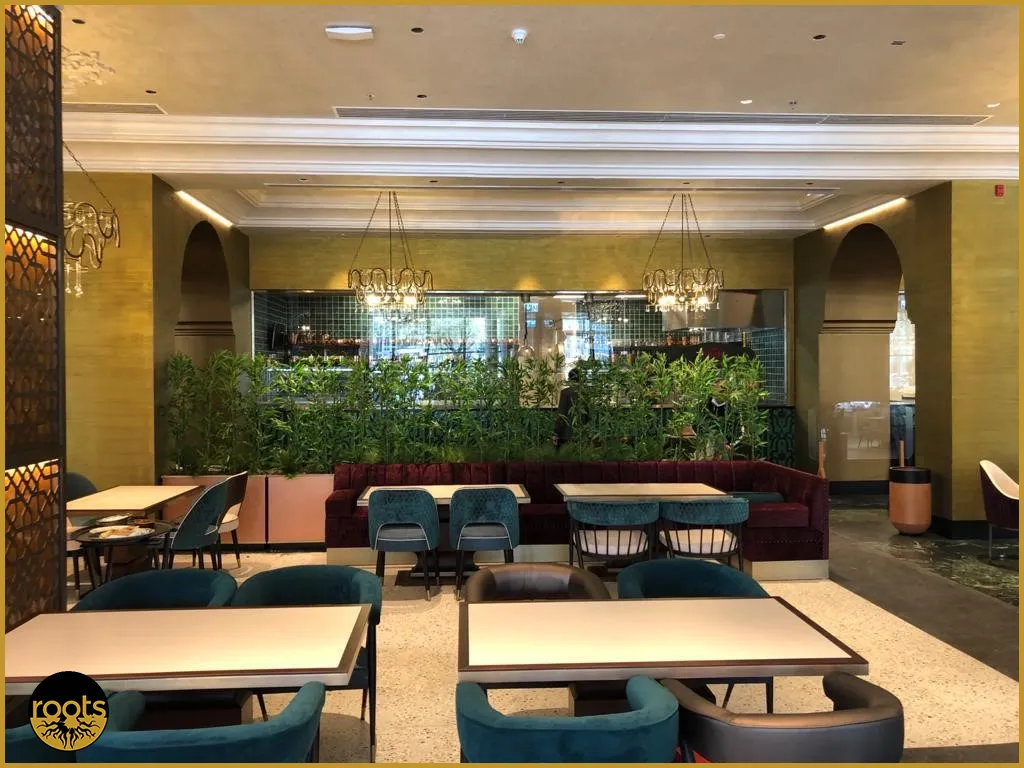
Architectural Restaurant Design: Aesthetic and Functional Solutions Reflecting the Soul of Your Venue
The success of a restaurant is directly related not only to the flavors it offers but also to the atmosphere it presents to its guests. The venue itself is one of the fundamental elements that forms a restaurant's identity, strengthens brand perception and shapes the customer experience. At this point, architectural restaurant design and restaurant interior designs play a critical role in telling your brand's story, impressing your guests and encouraging them to come back again and again.
Restaurant design does not mean merely placing furniture or painting walls. This process aims to maximize the potential of the venue, ensure operational efficiency and create aesthetic integrity. A successful architectural restaurant design makes the venue both visually attractive and ensures it functions flawlessly.
What Is Architectural Restaurant Design and Why Is It Important?
Architectural restaurant design is the process of planning and implementing all physical areas of a restaurant, starting from its exterior facade to its interior, in line with functionality, aesthetics, brand identity and the expectations of the target audience. This process covers the atmosphere, flow, lighting, color palette, material selection and furniture arrangement of the venue.
Why is it important?
- Creating Brand Identity: Design visually expresses your brand's values, concept and the message it wants to convey to its target audience. A luxurious fine-dining restaurant and an intimate cafe require completely different design approaches.
- Customer Experience: The atmosphere of the venue directly affects the comfort, enjoyment and overall experience of guests. Comfortable seating areas, appropriate lighting and a fluid spatial layout increase the time guests spend in the venue and their satisfaction.
- Operational Efficiency: A well-thought-out design optimizes the flow of kitchen and service areas, facilitates staff movement and minimizes operational errors. This provides savings in both time and cost.
- Competitive Advantage: In today's competitive food and beverage sector, offering a unique and memorable venue is of great importance to stand out. An impressive design creates sharing potential on social media and becomes an organic marketing tool.
Who Are Restaurant Interior Designs Suitable For?
Restaurant interior designs are indispensable for the following groups:
- Restaurants to Be Newly Opened: Entrepreneurs who want to create a brand from scratch need professional design to establish the right first impression of the venue.
- Those Who Want to Renovate Their Existing Restaurant: Renovating the venue is important for operators aiming to update their concept over time, expand their customer base or solve operational problems.
- Those Who Want to Strengthen Their Brand Identity: Those who want their existing restaurant to create a stronger brand identity and reach its target audience more effectively.
- Those Experiencing Venue Problems: Businesses experiencing problems with the flow, atmosphere or functionality of the venue and seeking professional solutions to these problems.
The Core Needs Met by Restaurant Design
An effective restaurant architectural design meets a range of core needs:
- Customer Comfort and Experience: It ensures guests have a pleasant time by offering comfortable seating groups, appropriate acoustics, sufficient lighting and an aesthetically pleasing environment.
- Functionality of the Venue: It ensures that all sections such as service areas, kitchen, restrooms and waiting areas work in an integrated and efficient manner.
- Telling the Brand Story: Through design elements (colors, materials, objects, lighting), it shares the brand's story, values and concept with guests.
- Optimization of Operational Flow: It facilitates staff movement, speeds up the service process from kitchen to table and makes the overall operation seamless.
- Compliance with Legal Requirements: It ensures the creation of a venue that complies with legal requirements such as fire safety, accessibility standards and hygiene regulations.
In Which Situations Should Architectural Restaurant Design Be Preferred?
In the following situations, commissioning a professional architectural restaurant design will help you maximize the return on your investment:
- When a Conceptually Distinct Target Audience Is to Be Reached: For example, a venue appealing to a young and dynamic audience will use a different design language than a venue appealing to a classical and sophisticated audience.
- When a Concept That Differentiates the Venue Is Presented: Original designs are essential for theme restaurants, art gallery concept venues or specialty kitchens.
- When the Expected Atmosphere Needs to Be Created: A romantic dinner venue, an energetic bistro or a relaxed family restaurant requires different atmospheres.
- When an Efficiency Problem Is Experienced in the Use of the Existing Space: A professional perspective is essential to increase functionality in narrow or irregular spaces.
- When a Long-Term Investment Is Made: Good design extends the life of the venue, increases customer loyalty and therefore supports the sustainability of the business.
Comparison of Different Material Options
<The materials used in restaurant design are of great importance both aesthetically and functionally. Factors such as durability, ease of maintenance and cost directly affect material selection. Here is a comparison of some commonly used material types:
| Material Type | Durability | Interior Architectural Use Area | Exterior Architectural Use Area | Cost (Relative) | Advantages | Disadvantages |
|---|---|---|---|---|---|---|
| Natural Stone (Marble, Granite) | High | Flooring, Countertop, Wall Cladding, Decorative Elements | Flooring, Wall Cladding (Processed Types) | High | Aesthetic, Prestigious, Long-Lasting, Heat Resistant | Heavy, Easily Scratched (Some Types), May Require Maintenance |
| Wood (Solid, Veneer) | Medium - High (Depending on Processing) | Flooring, Furniture, Wall Cladding, Ceiling, Decorative Elements | Exterior Facade Cladding (Specially Processed), Pergola | Medium - High | Warmth, Natural Appearance, Various Processing Possibilities | May Be Sensitive to Moisture and Impacts, Requires Maintenance |
| Ceramic / Porcelain | High | Flooring, Wall Cladding, Countertop | Flooring, Facade Cladding | Medium | Durable, Easy to Clean, Various Patterns and Colors | Fragile (Against Falls), Cold Surface |
| Metal (Stainless Steel, Iron) | High | Table Legs, Chair Frames, Lighting, Decorative Elements | Facade Elements, Pergola, Outdoor Furniture | Medium - High | Modern, Industrial Appearance, Durable | May Rust (If Untreated), May Be Heavy |
| Concrete / Micro-Cement | High | Flooring, Countertop, Wall Cladding, Ceiling | Flooring, Facade Cladding | Medium | Modern, Industrial, Minimalist Appearance, Durable, Seamless Surface | Requires Professional Application, Risk of Cracking (Poor-Quality Application) |
| Glass | Medium (Tempered Glass High) | Tabletops, Partitions, Lighting Elements, Mirrors | Facade Cladding, Door and Window Systems | Medium | Reflects Light, Provides Spaciousness, Transparent or Colored Options | Fragile (Against Falls and Impacts), May Stain |
Points to Consider Before Purchasing
Paying attention to the following points when receiving a restaurant design service or selecting decoration materials will facilitate your decision-making process:
Professional Consulting Process
- Needs Analysis: In the first meeting with the designer, your restaurant's concept, target audience, budget and expectations should be clearly shared.
- Budget Determination: A clear budget should be created for both the design service and the materials to be applied, and this budget should be shared with the designer.
- References and Portfolio: Reviewing the designer's previous restaurant projects helps you understand their style and vision.
- Workflow and Delivery Process: It should be clarified which stages the design process will consist of, how long it will take and how the deliveries will be made.
- Legal Compliance: It should be ensured that the designer is familiar with local zoning and licensing regulations.
Material Selection and Application
- Durability and Maintenance: In areas subject to intensive use (floors, table surfaces), durable and easy-to-clean materials should be preferred.
- Aesthetic Harmony: The selected materials should be compatible with the restaurant's overall concept and color palette.
- Safety: Safety elements such as non-slip floor coverings and non-flammable materials should not be overlooked.
- Sustainability: Environmentally friendly and sustainable materials can be preferred as much as possible.
- Application Quality: The quality of application is as important as the material itself. Experienced and reliable craftsmen should be worked with.
Frequently Asked Questions
What should the average budget be for restaurant design?
The restaurant design budget can vary greatly depending on the size of the space, the complexity of its concept, the quality of the materials used, the designer's experience and the geographical location. Although costing is generally done per square meter, a detailed needs analysis and survey are required to determine a clear budget. A preliminary planning of the total budget covering architectural design services, interior decoration and application should be made.
Is architectural design also necessary for a small restaurant?
Absolutely! In small spaces, using the area in the most efficient way, creating a feeling of spaciousness and providing maximum benefit from every corner are even more important. A clever architectural design for a small restaurant can make the space look larger than it is, increase the comfort of guests and provide aesthetic integrity.
Which decoration styles stand out in popular restaurant designs?
Among popular restaurant design styles, industrial, minimalist, rustic, modern-classic, bohemian and vintage stand out. However, the most effective design is adopting the style that is most compatible with the restaurant's concept, target audience and brand identity. Blending different styles also generally creates unique spaces.
Why is restaurant lighting so important?
Lighting is one of the most powerful elements that directly affects the atmosphere and functionality of a space. Correct lighting emphasizes the warmth, colors and textures of the space, increases the comfort of guests and makes the dishes on the menu look more attractive. It is important to use different lighting solutions for different areas (general lighting, task lighting, ambient lighting).
Final Touches to Support Your Decision-Making Process
A successful restaurant design not only offers a visual feast, but also directly affects the performance of your business. A design that best reflects the identity, values and experience offered by your space increases customer loyalty, becomes a source of inspiration on social media and ultimately supports your profitability.
Every corner of the space is a part of your brand. Therefore, the time and budget allocated to the design process is a long-term investment. Define your goals clearly, get professional support and fully reveal the potential of your space. Remember, a well-designed restaurant is the first step to offering your customers an unforgettable experience.











































































