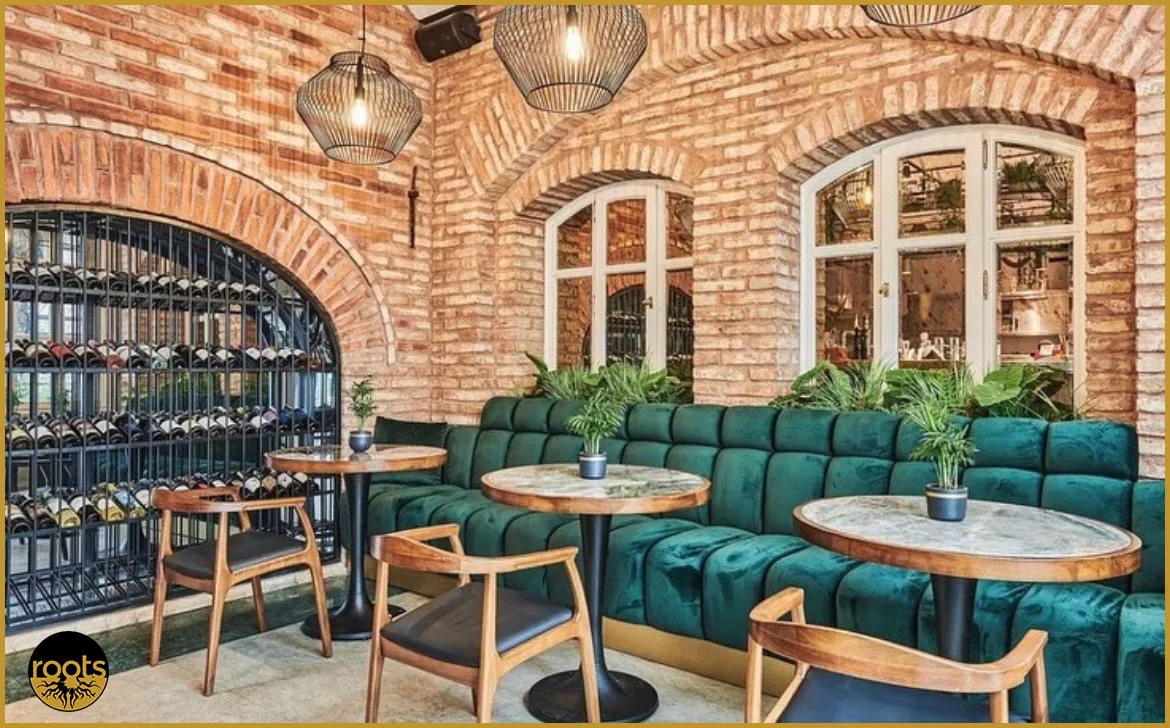
Architectural Restaurant Design and Interior Solutions
In restaurant management, the atmosphere of the space is as important as the flavors offered, and sometimes even more so. Architectural restaurant design is more than just an aesthetic concern; it is a strategic investment that directly affects the customer experience, increases operational efficiency and strengthens brand identity. This comprehensive guide will guide you through the process of choosing the right interior designs for your restaurant.
What Does Restaurant Design Do?
An effective restaurant interior design provides the following:
- Improves the Customer Experience: A relaxing or energetic atmosphere makes the time guests spend in the space more enjoyable.
- Reflects Brand Identity: The design visually communicates your restaurant's concept, values and target audience.
- Increases Operational Efficiency: Smart planning of the kitchen, service area and seating layout optimizes staff movement and raises service quality.
- Maximizes the Potential of the Space: By using the available space in the best way possible, more seating capacity or more functional work areas can be created.
- Provides a Competitive Advantage: A unique and memorable design helps you stand out from your competitors.
Who Is It Suitable For?
Restaurant interior designs are suitable for restaurant businesses of every scale and concept:
- Restaurants that are about to open
- Operators who want to renew the concept of their existing restaurant
- Those who want to increase customer satisfaction and revenue
- Concept restaurants that want to create a specific ambiance (for example, fine dining, cafe, bistro, steakhouse, ethnic cuisine, etc.)
Which Needs Does It Meet?
A professional architectural restaurant design focuses on meeting the following core needs:
- Aesthetic Concerns: Creating the visual appeal and atmosphere of the space.
- Functionality: Rational placement of the kitchen, service, seating areas and restrooms.
- Customer Comfort: Ergonomic seating layouts, appropriate lighting and acoustic control.
- Space Management: Using the area with maximum efficiency, potential capacity increase.
- Hygiene and Safety: Selection of easy-to-clean materials, compliance with safety standards.
- Brand Consistency: Creating a space that is consistent with the restaurant's identity.
In Which Situations Should It Be Preferred?
Investing in a restaurant interior design is especially important in the following situations:
- If you think your current space no longer meets your expectations.
- If you want to bring a fresh breath to your restaurant and expand your customer base.
- If you want your customers to stay longer and come back.
- If you think the density is causing operational problems and the space layout needs improvement.
- If you want to make a difference and stand out in the location where your restaurant is situated.
In What Ways Does It Differ from Alternatives?
Although there are different approaches on the market, professional architectural restaurant design stands out in the following ways:
- Comprehensive Approach: It addresses not only decoration but all functional and aesthetic elements of the space in a holistic way.
- Expertise and Experience: The expertise of architects is used in matters such as space planning, material knowledge, lighting principles and material selection.
- Tailor-Made Solutions: Unique solutions are offered that suit the restaurant's concept, target audience and budget.
- Long-Term Thinking: It considers not only the current situation but also future needs and potential developments.
- Legal Compliance: Designs are made in compliance with legal requirements such as zoning regulations, health and safety standards.
Things to Consider in Material Selection
In restaurant design, material selection is critically important from both an aesthetic and a functional perspective. A comparison of different material types in terms of durability, area of use and cost is presented below:| Material Type | Durability (Against Intensive Use) | Indoor Suitability | Outdoor Suitability | Average Cost (Relative) |
|---|---|---|---|---|
| Natural Stone (Granite, Marble, etc.) | Very High | High (Stain-resistant, polished surfaces) | High (Those resistant to weather conditions) | High |
| Wood (Solid, Veneer) | Medium-High (With proper protection and maintenance) | Very High (Floor, wall, furniture) | Low-Medium (Specially treated woods are suitable) | Medium-High |
| Ceramic and Porcelain Tiles | High | Very High (Floor, wall, countertop) | High (Those resistant to frost) | Medium |
| Concrete and Microcement | High | Very High (Floor, wall, countertop) | Medium-High (With proper coating) | Medium |
| Metal (Stainless Steel, Iron, etc.) | Very High | High (In modern and industrial designs) | Medium (Requires protection against corrosion) | Medium-High |
| Glass (Tempered, Laminated) | Medium-High (Impact-resistant types) | High (Tabletops, partitions, decorative elements) | Low-Medium (Careful use due to fragility) | Medium |
Things to Consider Before Purchasing
Here are the important points you should consider before starting a restaurant design project: * Budget Determination: Create a realistic budget covering design, construction, furniture, lighting and decoration costs. * Concept and Target Audience Analysis: What will be the identity of your restaurant? Who are you addressing? The design should be based on the answers to these questions. * Space Analysis: Examine the features of the existing space in detail, such as its dimensions, shape, natural light sources and structural systems. * Targeted Atmosphere: What feelings do you want to evoke in your customers? Warm, intimate, luxurious, modern, energetic? * Getting Professional Support: Architects, interior architects and designers can make this complex process much easier and more efficient for you. * Kitchen and Service Planning: The efficiency of kitchen operations and service flow are among the fundamental components of the design. * Lighting Strategy: Lighting is one of the most important elements that determine the atmosphere of a space. A correct lighting plan should be created. * Acoustic Arrangement: Keeping the noise level under control is important for customer comfort.Frequently Asked Questions
How long does restaurant interior design take?
The design period varies depending on the size and complexity of the project and your decision-making speed. On average, the concept development, detailed drawings and project management phases can take from a few weeks to a few months.
What technical terms will I encounter during the design process?
Some of the terms you may encounter are: Planimetry (space plan), section (vertical section of the building), perspective (visualization), lighting fixture, ergonomics (human-space harmony), material knowledge, acoustics (sound insulation and echo control).
Is it enough to only renovate the decoration of my existing restaurant?
A decoration-only renovation may be a temporary solution. However, if the space has fundamental issues such as general flow, seating arrangement or kitchen functionality, a comprehensive architectural restaurant design will offer a more permanent and effective solution.
I have a small restaurant, what will professional design bring me?
In small spaces, efficient use of every area is of vital importance. Professional designers specialize in making small areas look more spacious, increasing functionality and making the best use of limited space. In this way, even your small restaurant can create a big impact.
Is sustainability important in restaurant design?
Absolutely yes. Sustainability is becoming increasingly important both in terms of reducing environmental impacts and providing cost savings in the long term. Elements such as using recycled materials and choosing energy-efficient lighting and systems are part of sustainable design.
The success of your restaurant is directly proportional to the unique atmosphere it creates as well as its delicious food. With the right architectural restaurant design, you can transform your venue from being just a dining area into a destination where your guests will have unforgettable experiences.











































































