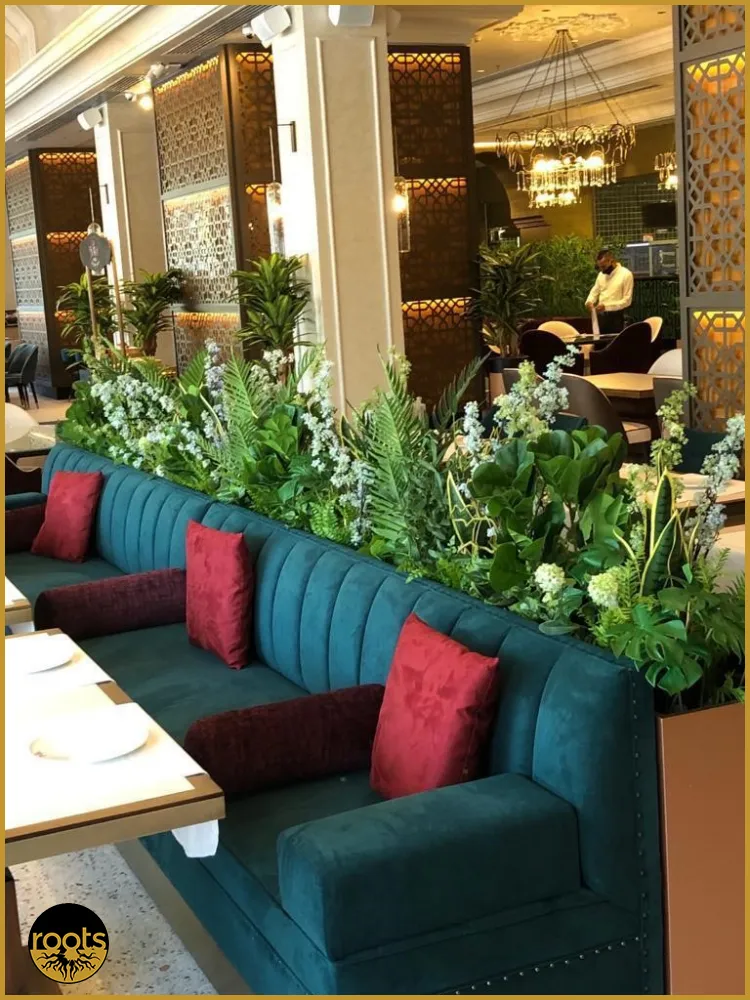
Architectural Restaurant Design and Interior Dynamics
The success of a restaurant depends not only on the quality of the dishes served, but also on how guests feel in that space. Architectural restaurant design goes beyond aesthetic concerns; it is the process of translating operational efficiency, customer psychology and brand identity onto a physical plane. The right interior design is one of the most fundamental elements directly affecting the sustainability of a business.
Why Is Restaurant Interior Design Important?
Good design manages the perception a customer forms within the first 10 seconds of entering the space. From lighting to table layout, from acoustic arrangement to kitchen traffic, every detail is part of the total experience. Architectural touches ensure that the space not only looks "beautiful" but is also "functional." For example, a poorly planned service route can reduce staff efficiency during busy hours and lead to customer dissatisfaction.
Who Is It Suitable For and What Needs Does It Meet?
Architectural design services are suitable for entrepreneurs planning to establish a new business, business owners who want to modernize their existing space, and chain brands that want to carry their corporate identity into a physical space. This process meets the following fundamental needs:
- Space Optimization: Using the existing square meters with the highest capacity and comfort.
- Brand Positioning: Communicating through the language of the space whether you are a luxury experience or a quick snack spot.
- Operational Convenience: Making the connection between kitchen, storage and service areas flawless.
- Legal Compliance: Projecting in accordance with fire regulations, accessibility standards and hygiene rules.
Key Elements to Consider in the Design Process
Before starting a restaurant project, the following critical points should be emphasized:
- Lighting Strategy: Different ambiances should be created for daytime and evening hours. While focal lighting highlights the tables, general lighting defines the depth of the space.
- Acoustic Comfort: Materials that prevent sound reverberation allow customers to hear each other comfortably. A noisy environment is one of the biggest factors negatively affecting the dining experience.
- Ergonomics: The comfort of the selected furniture directly affects how long a customer stays in the space. Harder seating groups are preferred in places where fast turnover is desired, while softer and wider seating groups are preferred for long evening dinners.
- Material Selection: Restaurants are areas with heavy traffic. Therefore, the selected surfaces must be easy to clean, antibacterial and resistant to wear.
Material Comparison Table
You can examine the features of popular materials preferred in restaurant interior and exterior spaces in the table below:
| Material Type | Area of Use | Durability | Cost Index |
|---|---|---|---|
| Natural Wood (Solid) | Interior / Furniture | Medium (Requires maintenance) | High |
| Industrial Steel / Metal | Kitchen / Decorative Details | Very High | Medium - High |
| Porcelain Ceramic | Floor / Wet Areas | High | Medium |
| Marble and Natural Stone | Countertop / Bar Surfaces | High (Stain sensitivity) | Very High |
| Vinyl / Epoxy Flooring | Kitchen / Service Areas | High and Hygienic | Economical |
What Sets It Apart from Alternatives
The biggest difference between an ordinary decoration effort and a professional architectural restaurant design is "strategy." Purely aesthetics-focused approaches can cause technical problems during the implementation phase (insufficient ventilation, plumbing errors, etc.). The architectural approach, on the other hand, combines technical infrastructure with aesthetics. In the long run, low maintenance costs and high operational speed are the greatest returns of a professional design.
Frequently Asked Questions
1. How long does it take to complete a restaurant design?
Depending on the size of the project and the complexity of the concept, the design process generally ranges from 4 to 8 weeks. The implementation phase may vary depending on the lead time for the selected materials.
2. I have a small space, how can I use it efficiently?
In small spaces, a spacious environment can be created by using vertical space, creating a sense of depth with mirrors, and choosing modular furniture. A functional layout plan is critical in such spaces.
3. Is an open kitchen concept suitable for every restaurant?
An open kitchen instills transparency and trust; however, it requires a very powerful ventilation system and constant order. If your concept is "show"-oriented, it should be preferred.
4. How should color selection be in design?
Colors affect appetite and the perception of time. For example, warm tones (red, orange) stimulate appetite, while cool tones (blue) create a calmer atmosphere but are not preferred for long seating periods.
Things to Consider Before Purchasing
Before agreeing with an architectural office or design team, you should consider the following points:
- Reference Check: Examine whether they have previously carried out projects of a similar scale and style.
- Budget Planning: Evaluate the design cost and the implementation cost separately and leave a margin for hidden expenses.
- Technical Support: Find out whether they provide not only drawings but also supervision services during the implementation phase.
- Material Knowledge: Make sure that the materials to be used in the design can be sourced under conditions in Turkey.
In conclusion, a successful restaurant design is about creating an ecosystem in which the customer feels special and the staff achieve the highest efficiency with the least effort. Interior designs are the signature of a business, and putting this signature down correctly is the key to commercial success.











































































