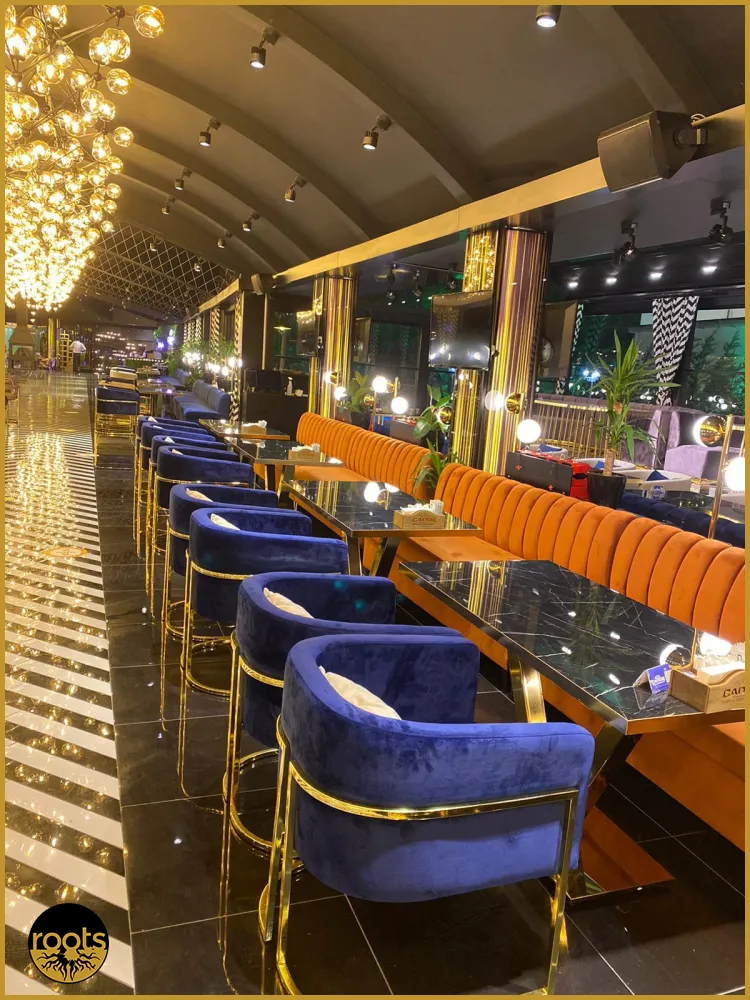
Architectural Restaurant Design: The Combination of Aesthetics and Functionality
The success of a restaurant depends not only on the quality of the dishes served, but also on the entirety of the atmosphere the customer experiences from the moment they walk in. Architectural restaurant design is a strategic process that determines how a space should function not only visually but also operationally. A correct interior design reflects the brand identity while maximizing staff efficiency and customer satisfaction.
Why Are Restaurant Interior Designs Important?
Restaurant designs represent the "spirit" of a business. A good architectural planning aims to meet the following needs:
- Customer Experience: Every detail, from the seating arrangement to the lighting, determines the quality of the time the customer spends in the space.
- Operational Flow (Circulation): The route of the waiters between the kitchen and the tables is of critical importance for service speed.
- Acoustic Comfort: Proper sound absorption allows customers to hear each other comfortably.
- Brand Positioning: The design language of a luxury fine-dining restaurant and a fast-food venue focused on quick consumption are completely different from each other.
Material Selection and Durability in Restaurant Design
Restaurants are spaces exposed to heavy foot traffic. Therefore, the materials to be chosen must be both aesthetic and long-lasting. The following table compares some commonly used material types:
| Material Type | Area of Use | Durability | Cost |
|---|---|---|---|
| Natural Stone / Marble | Countertop, Floor, Accent Wall | High (But difficult to maintain) | High |
| Solid Wood | Furniture, Ceiling Decoration | Medium (Requires periodic maintenance) | Medium-High |
| Ceramic / Porcelain | Floors and Wet Areas | Very High | Medium |
| Industrial Metal | Lighting, Partition Panels | High | Medium |
Critical Factors That Will Affect Your Decision-Making During the Design Process
Focusing only on visuals before starting a restaurant project can lead to technical problems in the future. The following points should be taken into consideration during the purchasing or design service stage:
- Ventilation and Air Conditioning: Ensuring that kitchen odors do not leak into the dining area and that the indoor temperature remains balanced in every season is the most fundamental comfort criterion.
- Lighting Strategy: Different lighting scenarios should be set up for daytime and evening hours. While focused lights highlight the food on the table, general lighting should support the ambiance.
- Kitchen and Dining Area Ratio: How much of the total area will be allocated to the kitchen and how much to the tables is of vital importance for the balance of capacity and profitability.
- Legal Regulations and Safety: Compliance with fire exits, disabled access and hygiene certificates must be an integral part of the design.
In Which Situations Should Professional Architectural Design Be Preferred?
If your existing venue has low customer traffic, if you think your brand image has become outdated, or if you want to enter the market with a new business concept, a professional interior design is inevitable. Alternatively, decorations you make with your own means can generally lead to more costly results in the long run due to the lack of technical infrastructure (acoustics, ventilation, lighting engineering). Architectural design solves these technical problems from the very beginning.
Frequently Asked Questions
Question: How should color selection be in restaurant design?
Answer: Colors have a direct effect on appetite and psychology. For example, while warm colors (orange, red tones) stimulate appetite and add dynamism; neutral tones (gray, beige) create a calmer and more luxurious atmosphere.
Question: What kind of design approach should be followed in small spaces?
Answer: In small areas, the feeling of spaciousness should be increased by preferring mirrors, high ceiling solutions and modular furniture. Bringing lighting to every corner makes the space appear larger than it is.
Question: How long does the restaurant renovation process take?
Answer: Depending on the scope of the project, the size of the space and the structural changes to be made, it generally varies between 4 and 12 weeks.
Things to Consider Before Purchasing and Implementation
Being prepared before you start working with a design office or implementation company will increase the quality of the process:
- Clarify who your target audience is and what kind of experience they are looking for.
- Determine your budget limits and share these limits transparently with your designer.
- Create in advance the equipment list suitable for your business's cuisine style (world cuisine, bakery, bar, etc.).
- Pay attention to the space circulation scheme (staff and customer paths should not intersect).
In conclusion, architectural restaurant design is not just a decoration activity; it is an investment process that directly affects the success of the business, customer loyalty and operational efficiency. A space combined with the right materials, strategic planning and aesthetic touches will always be one step ahead of its competitors.











































































