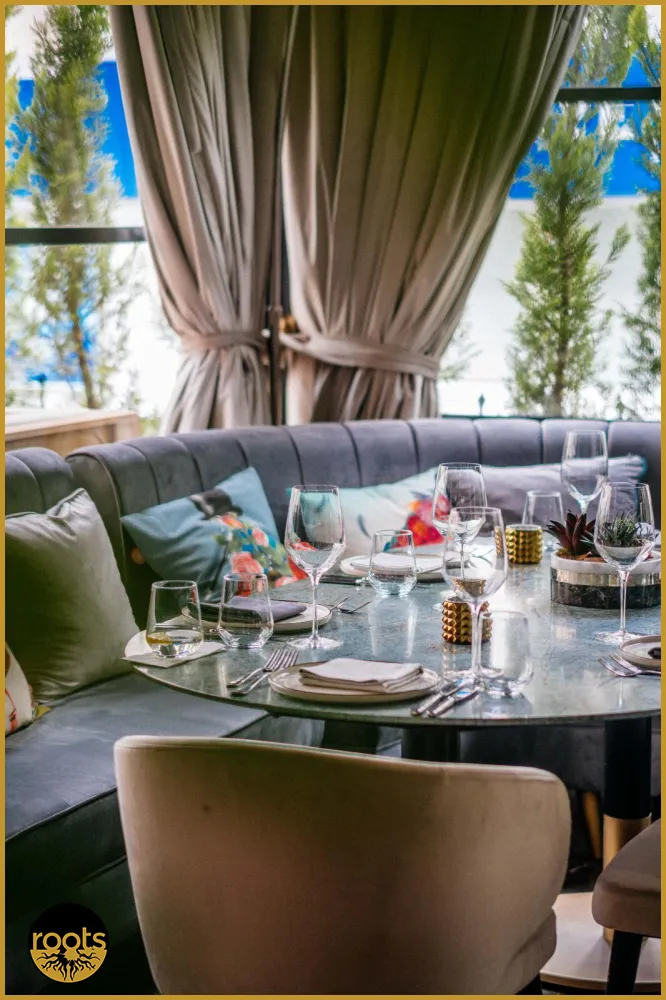
The Importance of Architectural Approach in Restaurant Interior Designs
The success of a restaurant is directly related not only to the menu it offers but also to the **spatial experience** it presents to its guests. Architectural restaurant design is a technical process that, beyond aesthetic concerns, combines operational efficiency, customer circulation and brand identity. A correct interior design ensures that a space not only looks "beautiful" but also works "flawlessly" operationally.
What Needs Does Architectural Design Meet?
A professional interior design produces solutions to the fundamental functional problems of a business. In this process, the following basic needs are analyzed:
- Operational Efficiency: Optimizing the distance between the kitchen and the service area, preventing waiter routes from overlapping and increasing service speed.
- Customer Comfort: Preventing noise pollution through the distance between table placements, ergonomic furniture selection and acoustic arrangements.
- Brand Identity: Reflecting the culinary culture offered by the business (modern, traditional, fast-food, etc.) onto the space through colors and textures.
- Lighting and Atmosphere: Maximizing the benefit of daylight and creating the desired ambiance for the evening hours with the right lighting scenarios.
Who Is It Suitable For and When Should It Be Preferred?
The architectural restaurant design service is critical not only for venues that will newly open but also for all businesses that want to modernize their existing structure. Especially in the following cases, a professional architectural touch will accelerate the return on investment (ROI):
- If a new restaurant concept is being implemented.
- If customer complaints (noise, crowding, insufficient ventilation) have increased in the existing venue.
- If the business identity is to be changed or the target audience is to be expanded.
- If a transition to sustainable materials that will reduce energy efficiency and operating costs is planned.
Material Selection and Comparison in Restaurant Design
Material selection is the most important element determining both the cost and the longevity of the venue. The right material must be used at every point, from the high-traffic floors of the restaurant to kitchen hygiene.
| Material Type | Durability | Area of Use | Cost Axis |
|---|---|---|---|
| Natural Stone (Marble/Granite) | High (Scratch-resistant) | Bar counters, entrance areas | High |
| Industrial Wood / Laminate | Medium (Requires maintenance) | Floor covering, wall panels | Medium |
| Porcelain Ceramic | Very High (Resistant to heat and water) | Kitchen, floor, wet areas | Medium - Reasonable |
| Epoxy / Microcement | High (Seamless surface) | Modern/Industrial interiors | Economical - Medium |
Aspects That Distinguish It from Alternatives
The most fundamental difference between a standard decoration service and **architectural restaurant design** is that the project is based on engineering and user psychology foundations. Instead of merely placing decorative objects; technical details such as the layout of HVAC (heating, cooling, ventilation) systems, compliance with fire regulations and acoustic comfort are part of the solution.
Things to Consider Before Purchasing and Implementation
Before starting to work with an architecture office or moving to the implementation phase, you should consider the following items:
- Budget Planning: Clarify your design and implementation budget. The architect must make material selections that stay within this budget.
- Functional Flow: Be sure to request the "Waiter path" and "Customer path" circulation diagrams.
- Lighting Design: Incorrect lighting can make even the most luxurious furniture look cheap. Detail the lighting scenarios.
- Permits and Regulations: Make sure the design complies with local municipal regulations and fire legislation.
Frequently Asked Questions (F.A.Q.)
1. How long does the restaurant design process take on average?
Depending on the size of the space, the design phase can take 2-4 weeks, while the implementation process can vary between 2-4 months depending on the complexity of the concept.
2. What design strategy should be followed in small spaces?
In small restaurants, minimalist furniture, mirrored surfaces, vertical storage solutions and light color palettes are used to make the space appear more spacious than it is.
3. Why is acoustic design important?
In a restaurant, customers being in an environment so noisy that they cannot hear each other negatively affects the experience. Echo should be brought under control with acoustic panels and the right textile selection.
In conclusion, a professional restaurant interior design is not just an aesthetic investment; it is a strategic decision that minimizes operational errors, increases brand value and directly affects how long customers stay in the space. A properly analyzed space reduces maintenance costs in the long term while taking operational efficiency to the maximum level.











































































