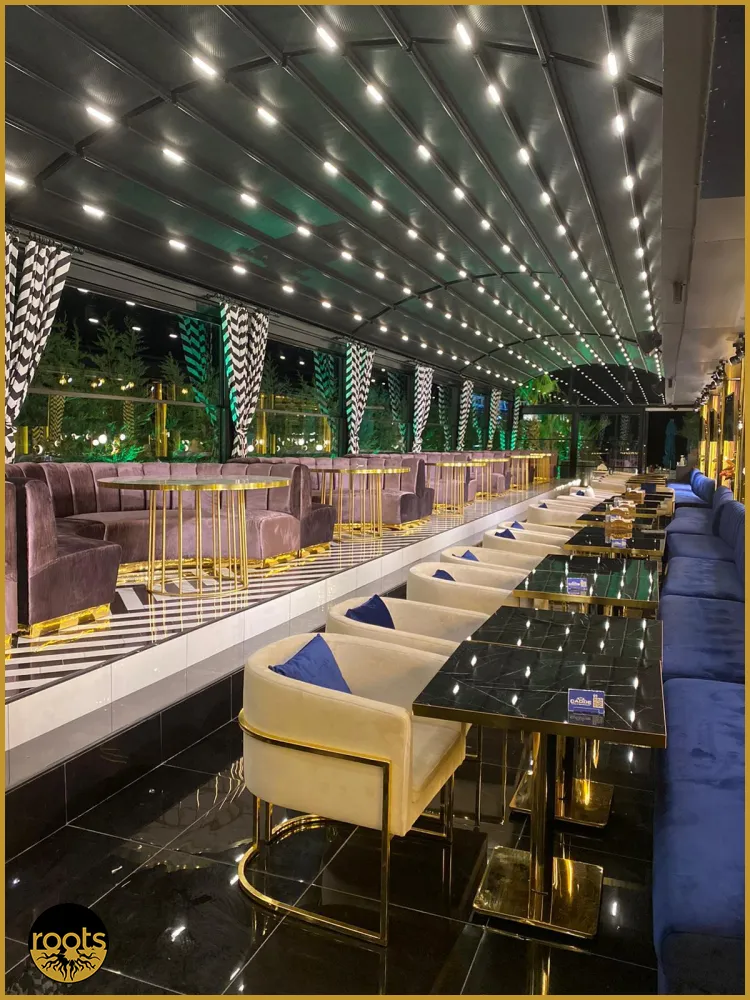
Architectural Restaurant Design: Reflect the Soul of Your Space
The success of a restaurant is directly related not only to the flavors it offers but also to the atmosphere it creates. The aesthetic and functional design of this special space where you host your customers strengthens your brand identity and enables you to offer unforgettable experiences. Architectural restaurant design emphasizes that a space is not just made up of walls, but also tells a story and evokes emotion.
Why Is Restaurant Design Important?
The interior of your restaurant is the first connection you establish with your customers. Good design determines the atmosphere of the space, increases customer satisfaction, encourages your guests to stay longer in the space, and this indirectly affects your revenue positively. In addition, original and eye-catching designs increase the potential for sharing on social media, offering free marketing opportunities.
What Is Architectural Restaurant Design?
Architectural restaurant design is the process of planning a dining space from start to finish, moving it beyond being merely an area where furniture is placed, in line with the overall concept of the space, brand identity and target audience. This process covers the flow of the space, lighting, material selections, acoustic arrangements, seating layouts and even the efficiency of service areas. The goal is to create a space that works flawlessly operationally as well as being aesthetically attractive.
Who Is It Suitable For?
This type of design service is highly beneficial for the following groups:
- Entrepreneurs who want to open a new restaurant or cafe.
- Operators who want to renew the concept of their existing restaurants or strengthen their brand image.
- Food and beverage sector businesses of all scales that want to differentiate and stand out from their competitors.
- Spaces with special concepts such as boutique hotels, gastropubs and fine-dining restaurants.
- Businesses that aim to offer not just a place to eat but also a social experience.
What Needs Does It Meet?
Professional architectural restaurant design meets many fundamental needs:
- Improving Customer Experience: It offers your guests a pleasant experience by creating comfortable seating areas, appropriate lighting and a pleasant atmosphere.
- Operational Efficiency: It optimizes the flow between the kitchen, service and customer areas, enabling staff to work faster and more effectively.
- Strengthening Brand Identity: The design of the space creates a memorable brand identity by reflecting the concept and values of your restaurant.
- Balance of Functionality and Aesthetics: It develops solutions that are both visually appealing and offer practical use.
- Maximizing Space Usage: It offers smart solutions for using the existing space in the most efficient way.
In Which Situations Should It Be Preferred?
The decision for restaurant design usually becomes more critical in the following situations:
- Opening a New Space: It is indispensable for laying the right foundation for a business starting from scratch.
- Concept Change: When the theme, menu or target audience of an existing restaurant changes, the space must also keep up with this change.
- Decline in Customer Satisfaction: A design renewal may be needed if the space is considered outdated or inadequate.
- Desire to Increase Market Share: It is important to increase the appeal of the space in order to stand out in competition and attract more customers.
- Goal of Offering an Innovative Experience: For those who want to go beyond the ordinary and offer customers a different and impressive atmosphere.
Things to Consider in Material Selection
Material selection in restaurant design is of great importance in terms of both aesthetic appearance and durability. Some characteristics of different material types are as follows:
| Material Type | Durability | Interior/Exterior Architectural Use | Average Cost (Relative) | Features and Areas of Use |
|---|---|---|---|---|
| Natural Stone (Marble, Granite) | Very High | Interior and Exterior (Especially Countertops, Floors, Wall Claddings) | High | Offers a luxurious and prestigious appearance, is easy to clean, and is resistant to wear and stains. May require maintenance. |
| Wood (Solid, Veneer, Composite) | Medium - High (Depending on Type and Treatment) | Mainly Interior (Exterior Facade Applications Require Special Treatment) | Medium - High | Creates a warm and inviting atmosphere. Offers different texture and color options. May be sensitive to moisture and scratches. |
| Metal (Stainless Steel, Iron, Brass) | High | Interior and Exterior (Furniture Legs, Lighting, Decorative Elements, Facade Elements) | Medium - High | Suitable for modern, industrial or classic looks. Durable and easy to clean. |
| Glass (Tempered, Laminated, Decorative) | Medium - High (Depending on Type) | Interior and Exterior (Doors, Windows, Partitions, Table Tops, Decorative Panels) | Medium | Adds spaciousness and brightness to the space. Opens up the field of view. Carries a risk of breakage, but safety glass reduces this risk. |
| Concrete and Raw Concrete Effect Materials | High | Interior and Exterior (Floors, Wall Claddings, Countertops) | Low - Medium | Ideal for industrial and minimalist designs. Durable, but may stain. May require insulation and maintenance. |
| Ceramic and Porcelain Tiles | High | Interior and Exterior (Floors, Walls, Countertops) | Low - Medium | Offers a wide range of colors, patterns and textures. Easy to clean, resistant to water and stains. Non-slip surface options are important. |
| Textiles and Upholstery Fabrics | Medium (Depending on Area of Use and Quality) | Interior (Sofa, Chair Upholstery, Curtains) | Low - High | Adds comfort and warmth to the space. Stain-resistant, easy-to-clean or water-resistant fabrics should be preferred. Flammability standards are important. |
Alternatives and Differentiating Aspects
Different design approaches and service models can be found in the market. The architectural restaurant design service we offer stands out with the following aspects:
- Holistic Approach: Instead of focusing solely on visual beauty, the functionality of the space, operational efficiency and brand integrity are addressed together.
- Customer Focus: Taking into account the expectations and demographic characteristics of your target audience, a space experience that appeals to them is designed.
- Sustainability and Eco-Friendly Options: When deemed necessary, solutions that reduce environmental impact, provide energy efficiency and prioritize natural materials can be offered.
- Technological Integration: Contemporary spaces are created by integrating technological elements such as lighting automation and sound systems into the design.
- Custom Solutions: Every project is unique. Therefore, instead of standard templates, completely original designs are developed for the specific needs of your space and your business.
Frequently Asked Questions (FAQ)
Things to Consider Before Purchasing
When you decide to receive an architectural restaurant design service, it is important to pay attention to the following points:
- Review References: Learn about the designer's or company's style, area of expertise and success stories by reviewing their previous work.
- Communication and Understanding: Make sure that you can communicate comfortably with the designer and that they understand your vision.
- Contract Details: Make a clear contract on issues such as the scope of service, delivery dates, payment plan and revision rights.
- Budget Planning: Make a realistic budget plan not only for the design but also for the implementation and decoration.
- Define Your Goals: Clearly define your expectations from your space, your target audience and your brand identity, and share them with the designer.
The right architectural restaurant design plays a key role in the success of your business. You can contact us for professional solutions that will reveal the potential of your space, impress your guests and strengthen your brand.











































































