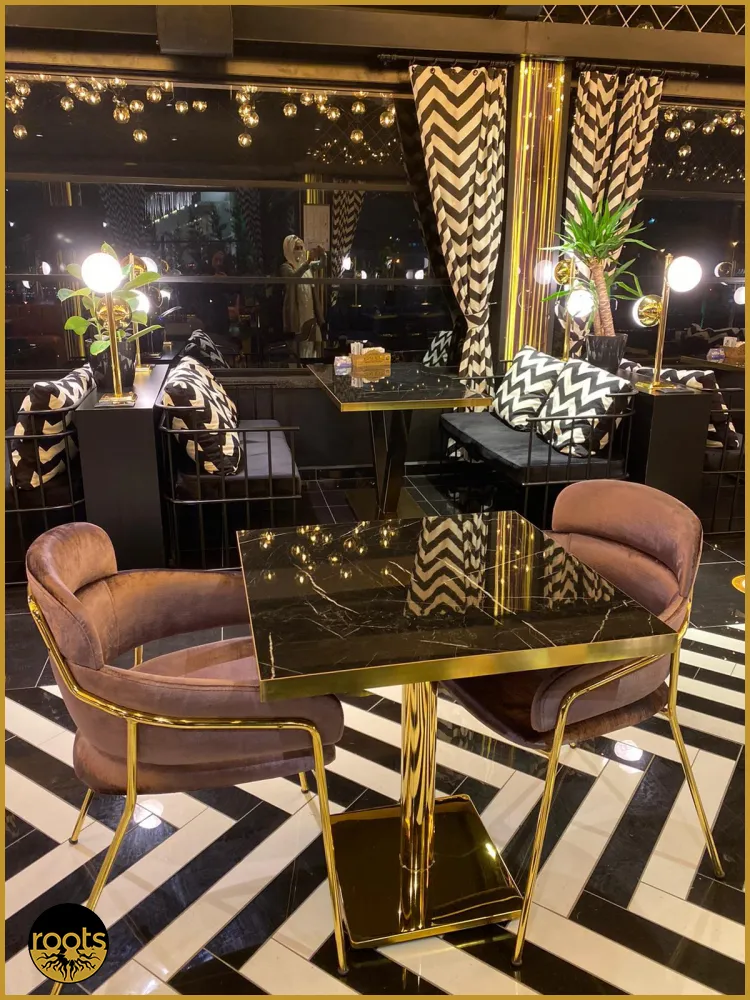
ARCHITECTURAL RESTAURANT DESIGN
Interior Design Experiences That Shape Your Restaurant's Identity and Success
Restaurant Design: Reflecting the Soul of the Space
Restaurant design is not merely an aesthetic concern. It is also a critical element that defines a restaurant's identity, enables you to offer your guests an unforgettable experience, and increases operational efficiency. A successful architectural restaurant design should reflect the concept of the space in the best possible way, meet the expectations of the target audience, and embody the values of the brand.
The interior designs of your restaurant are as important as the taste of the food you serve. From the moment your customers enter the space, they should be drawn into a story, inspired by the atmosphere, and feel comfortable. This requires not only the placement of tables and chairs, but also the meticulous planning of many details, from lighting to colors, from the texture of materials to acoustic arrangements.
Why Is a Comprehensive Architectural Restaurant Design Necessary?
The success of a restaurant depends on many factors. At the forefront of these is undoubtedly the quality of the food served. However, in today's competitive food and beverage industry, serving only delicious food is not enough. Creating a holistic experience for your guests is the key to attracting them to the space again and again. This is where architectural restaurant design comes into play:
- First Impression: The exterior facade and entrance area of your restaurant create your guests' first impression of the space. An eye-catching design that suits your concept arouses curiosity and encourages them to come in.
- Atmosphere and Experience: Interior design directly affects the atmosphere of the restaurant. While dim lighting can create an intimate environment, vibrant colors and an energetic arrangement can give the feeling of a more lively space. The right design relaxes your guests, ensures they have a pleasant time, and helps them establish a positive connection with your restaurant.
- Functionality and Efficiency: Restaurant design is of great importance not only in terms of aesthetics but also in terms of functionality. Smart planning of kitchen and service areas facilitates staff movement, increases service quality, and speeds up operational processes. Customer seating arrangement should both provide comfort and aim to achieve maximum capacity.
- Brand Identity and Differentiation: A unique restaurant design strengthens your brand's identity and sets you apart from your competitors. Seeing the concept you have determined (for example, rustic, modern, industrial, Ethnic, etc.) in every detail of the space offers your guests a consistent brand experience.
What Is Considered in Restaurant Design?
A comprehensive restaurant design process brings together many different elements. At the forefront of these:
1. Concept Development and Target Audience Analysis
The type of your restaurant (fine dining, bistro, cafe, fast food, etc.), the cuisine you offer, the customer base you target, and your brand identity form the basis of the design. After these elements are determined, the overall concept of the space is detailed.
2. Space Planning and Layout
Efficient use of every square meter is essential. The functional and fluid placement of all sections such as customer seating areas, service areas, bar, restrooms, kitchen, and storage is vital for operational efficiency. Considering customer flow, a comfortable and unobstructed circulation area should be created.
3. Interior Materials and Textures
The materials used directly affect the atmosphere and durability of the space. Materials such as wood, stone, metal, and concrete can evoke different feelings. Durability, ease of cleaning, and hygiene factors should also be at the forefront of choices.
| Material Type | Durability | Interior Architectural Use | Exterior Architectural Use | Average Cost (Reference) |
|---|---|---|---|---|
| Wood (Natural/Processed) | Medium - High (Depending on varnish and maintenance) | Flooring, wall cladding, furniture, ceiling details | Veranda, facade cladding (With suitable varnish) | Medium - High |
| Natural Stone (Marble, Granite, etc.) | High | Flooring, wall cladding, countertops, decorative elements | Facade cladding, walkways | High |
| Concrete (Smooth/Decorative) | Very High | Flooring, wall cladding, ceiling, furniture | Facade cladding, walkways | Low - Medium |
| Metal (Stainless Steel, Iron, etc.) | Very High | Furniture, lighting elements, decorative details | Facade cladding, railings | Medium - High |
| Ceramic / Porcelain | High | Flooring, wall cladding (especially wet areas) | Flooring (outdoor ceramics), wall cladding | Low - Medium |
| Glass (Tempered, Laminated) | Medium - High (Depending on type) | Tabletops, partition walls, windows | Facade cladding, display windows | Medium - High |
Note: Costs may vary depending on material quality, workmanship and region. This table has been prepared to give a general idea.
4. Lighting Design
Lighting is one of the most powerful tools that determines the atmosphere of a space. General lighting, task lighting (such as tabletops) and ambient lighting (decorative lamps, spotlights) are used together to create the desired effect. Making maximum use of natural light is also important.
5. Color Palette and Decoration
The colors chosen determine the feel of the space. Warm colors can be appetite-stimulating, while cool colors offer a calmer atmosphere. Decorative elements such as furniture selection, textiles, artworks and plants complete the concept and add character to the space.
6. Acoustic Arrangement
Noise levels can negatively affect the guest experience. Preventing disturbing echoes by using sound-absorbing materials (carpets, fabric panels, special ceiling systems) is critical for a pleasant dining experience.
7. Integration of Kitchen and Service Areas
No matter how great the customer areas are, if the kitchen and service operations do not run smoothly, the success of the restaurant is at risk. Kitchen layout, the position of equipment, storage areas and circulation paths for service staff are an integral part of the design process.
Who Is It Suitable For?
Architectural restaurant design is indispensable not only for venues that are about to open, but also for business owners who want to renovate their existing restaurants or strengthen their brand image:
- Entrepreneurs Opening a New Restaurant: Planning the right concept and space at the first step creates a solid foundation for future success.
- Those Who Want to Renovate Their Existing Restaurants: Those who want to modernize outdated decoration, increase customer satisfaction or adapt to changing trends.
- Those Who Want to Strengthen Their Brand Image: Businesses that want to better reflect their restaurant's identity and offer a more sophisticated or different atmosphere.
- Those Who Want to Solve Operational Problems: Those who experience problems with space layout or flow and want to increase efficiency.
Which Needs Does It Meet?
Effective restaurant design meets the following fundamental needs:
- Offering your guests an unforgettable gastronomic experience.
- Communicating your brand's identity and values through the space.
- Standing out in an increasingly competitive environment and building customer loyalty.
- Reducing operational costs by increasing staff efficiency.
- Ensuring the optimum use of the space in terms of aesthetics and functionality.
- Offering flexible space solutions that can appeal to every customer group.
In What Ways Does It Differ from Alternatives?
Instead of ready-made decoration solutions or random renovations, professional architectural restaurant design offers the following advantages:
- Holistic Approach: It addresses not only visual elements but all elements such as functionality, atmosphere, brand identity and operational efficiency as a whole.
- Professional Expertise: Architects and interior architects have the knowledge and experience to evaluate the potential of the space in the best possible way.
- Original Design: It offers solutions specific to your brand and concept, unique to you.
- Long-Term Solutions: It focuses not only on momentary trends but on the longevity and sustainability of the space.
- Cost Optimization: Correct planning at the outset can reduce potential future renovations and operational costs.
What Should Be Considered Before Purchasing?
Before starting a restaurant design project, it is important to pay attention to the following points:
- Choosing an Architecture or Interior Architecture Firm: Review their references, portfolios and previous restaurant projects.
- Determining a Clear Concept: Clarify your target audience, your kitchen and your brand identity.
- Determining a Budget: Create a detailed budget for design, construction, furniture, lighting and decoration.
- Communication and Transparency: Maintain open and regular communication with the design team. Ask to be informed at every stage of the design process.
- Legal Permits and Regulations: Obtain information about the necessary licenses and permits in accordance with the intended use of the space.
- Contract Details: Make a contract that includes details such as the scope of service, delivery dates and payment terms.
Frequently Asked Questions (FAQ)
Conclusion
Architectural restaurant design is not only about creating a space, but also about building a brand. The right design creates a pleasant atmosphere for your guests while increasing operational efficiency and supporting the sustainable success of your business. To fully reveal the potential of your venue and leave a lasting impression on your guests, investing in a professional design process will be the most profitable option in the long term.











































































