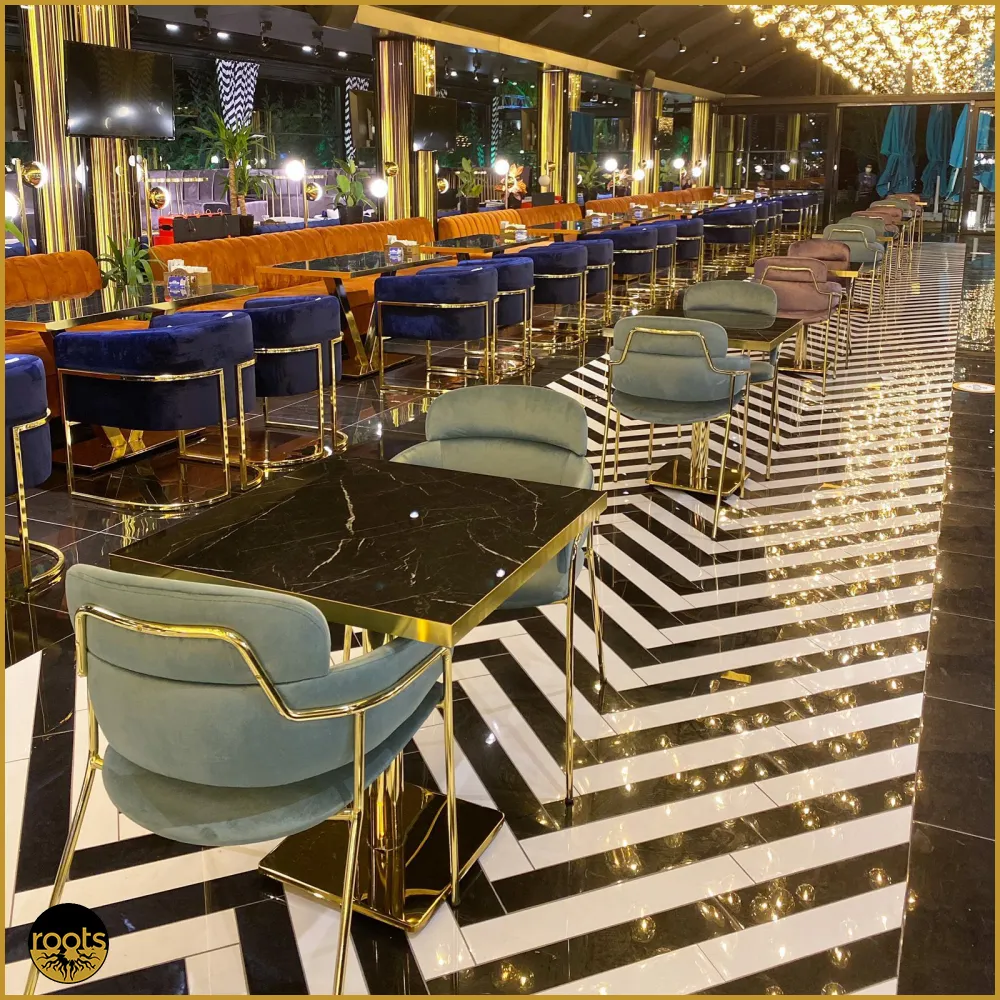
Architectural Restaurant Design: A Guide to Creating a Successful Venue
Architectural restaurant design, which directly affects your restaurant's identity, atmosphere and guest experience, is not only an aesthetic concern but also a functional necessity. In this comprehensive guide, you will find everything you need to know for a successful restaurant interior design.
What Is Restaurant Design and Why Is It Important?
Restaurant design is a holistic process that covers not only the appearance of a dining venue but also its operation, customer flow, atmosphere and brand identity. Successful restaurant architecture ensures that customers form a positive impression from the moment they first step into the venue. This design must be both aesthetically appealing and enhance operational efficiency.
- Customer Experience: A comfortable, inviting atmosphere that suits your concept increases customer satisfaction and the rate of repeat visits.
- Brand Identity: The design should tell your restaurant's story and set it apart from its competitors.
- Operational Efficiency: Smart planning of the kitchen, service area and seating layout enables your staff to work faster and more effectively.
- Venue Value: A well-thought-out design can increase both the rentability and the sales potential of the venue.
Who Is It Suitable For?
Architectural restaurant design is critical in the following situations and for the following people:
- Restaurants About to Open: Those who want to establish their brand identity correctly from the start and create a strong first impression.
- Those Who Want to Renovate Their Existing Restaurant: Operators who want to update their outdated decor, refresh their concept or increase customer satisfaction.
- Those Who Want to Stand Out: Entrepreneurs who want to stand out in a highly competitive sector and offer a unique experience.
- Restaurant Chain Brands: Those who want to create a consistent brand experience and offer the same quality across different branches.
- Newcomers to the Gastronomy Sector: Those who want to minimize risks by getting support from professionals who know the dynamics of the sector.
What Needs Does It Meet?
Effective restaurant design meets multifaceted needs:
- Concept Development: It creates a visual language and atmosphere in harmony with the restaurant's menu, target audience and brand identity.
- Space Optimization: Using the available space in the most efficient way, increasing seating capacity and facilitating customer and staff flow.
- Creating Atmosphere: Creating the desired ambience through lighting, color palette, music, furniture selection and decorative elements (for example, romantic, lively, calm, stylish).
- Functionality: Ensuring that every element, from the kitchen layout to the service area, from the restrooms to the waiting areas, is practical and convenient.
- Compliance with Legal Requirements: Integrating legal obligations such as fire safety and accessibility standards into the design.
- Durability and Ease of Maintenance: Selecting materials suitable for intensive use that are easy to clean and long-lasting.
When Should It Be Preferred?
The most suitable times to invest in restaurant design are as follows:
- During the Planning Phase: When planning the opening of a new restaurant, the design process should be initiated from the initial concept development stage.
- When Inadequacy Is Felt in the Existing Venue: If there are customer complaints, low occupancy rates, operational disruptions or an outdated appearance.
- To Keep Up with Market Trends: When it is necessary to keep pace with innovations in the world of gastronomy and changes in customer expectations.
- During Brand Restructuring: When the business plans to change its brand identity or the services it offers.
What Are Its Differences from Alternatives?
There are clear differences between doing restaurant decoration on your own and getting professional architectural support:
- Professional Architectural Support: It is a holistic approach that includes not only aesthetic beauty but also functionality, legal compliance, material knowledge and long-term cost efficiency.
- Experience and Expertise: Architects have in-depth knowledge of industry trends, customer behavior and space optimization.
- Compliance with Standards: They correctly apply technical and legal requirements such as fire regulations and disabled access.
- Cost Optimization: With the right material selection and smart planning, they help reduce maintenance and operating costs in the long term.
- Brand Integrity: They create a brand identity in full harmony with the restaurant's concept, menu and target audience.
Things to Consider in Material Selection
In restaurant design, material selection is of great importance both aesthetically and functionally. While materials determine the atmosphere of the space, they also differ in terms of durability, ease of maintenance and cost. Here are some commonly used materials and their comparisons:
| Material Type | Durability | Interior/Exterior Architectural Use | Cost (Average) | Features |
|---|---|---|---|---|
| Natural Stone (Marble, Granite, etc.) | Very High | Interior (countertop, floor, wall) and Exterior Facade | High | Luxurious appearance, stain-resistant, scratch-resistant, heavy, requires professional application. |
| Wood (Solid, Veneer, Composite) | Medium-High (depending on protection) | Interior (floor, furniture, wall) and Partially Exterior (specially treated) | Medium-High | Warm and natural atmosphere, variety, may require maintenance, may be sensitive to moisture and scratches. |
| Ceramic/Porcelain Tile | High | Interior (floor, wall) and Exterior (wet floors, facade) | Low-Medium | Resistant to water and stains, hygienic, easy to clean, wide range of patterns and colors. |
| Concrete/Micro Concrete | High | Interior (floor, wall, countertop) and Exterior Facade | Medium | Industrial and modern appearance, durable, resistant to water and wear, requires professional application. |
| Metal (Stainless Steel, Iron, etc.) | Very High | Interior (furniture, lighting, decor) and Exterior (facade elements) | Medium-High | Modern and industrial appearance, durable, easy to clean, may give a cold feel. |
| Fabric/Upholstery Materials | Medium (depending on use and material) | Interior (sofa, chair) | Low-Medium | Provides comfort, offers color and texture variety, is sensitive to staining and wear, requires regular cleaning. |
Things to Consider Before Purchasing
Here are the important points to consider before starting a restaurant design project or receiving professional service:
- Determining the Budget: Create a clear budget that includes design, renovation, furniture, lighting and decoration costs.
- Clarifying the Concept: Clearly define the fundamental elements of your restaurant such as its menu, target audience, name and brand identity.
- Space Analysis: Take into consideration technical details of the existing space such as its dimensions, daylight conditions and infrastructure (electricity, water, ventilation).
- Understanding the Target Audience: Evaluate whether the design is suitable for the customer profile you want to appeal to.
- Getting Professional Support: Working with an experienced interior architect or designer greatly increases the success of the project. Review their portfolios and references.
- Prioritizing Functionality: Remember that the space should not only look beautiful but also be operationally efficient.
- Legal Permits and Standards: Learn about the municipal permits, licenses and all relevant legal standards required by architectural projects.
- Thinking Long-Term: Evaluate the long-term effects of the selected materials such as durability, ease of maintenance and energy efficiency.
Frequently Asked Questions (FAQ)
How long does restaurant design take?
The design period varies depending on the scope of the project and the size and complexity of the space. Generally, a preliminary concept study, detailed drawings and the project development process can take several weeks. The implementation phase, on the other hand, includes renovation and manufacturing processes, and this can take several months.
What are the most important trends in restaurant interior designs?
Current trends include natural materials, sustainability, flexible and multi-purpose areas, indoor gardening, intimate and homey atmospheres, smart lighting systems and digital integrations. In addition, unique and personal touches that tell the story of the space are also gaining importance.
How important is kitchen layout in restaurant design?
Kitchen layout is the heart of the restaurant and is critically important for operational efficiency. Optimizing staff movement areas, correct placement of equipment, ensuring hygiene standards and uninterrupted service flow are the main goals of kitchen design. Good planning of this area directly affects both food quality and service speed.
Why is exterior facade restaurant design important?
Exterior facade design creates the first impression of the restaurant and plays a major role in attracting potential customers to the space. By reflecting the concept, atmosphere and quality of the space from the outside, it increases brand awareness and sparks curiosity. Elements such as lighting, signage design and an inviting entrance are important parts of exterior facade design.











































































