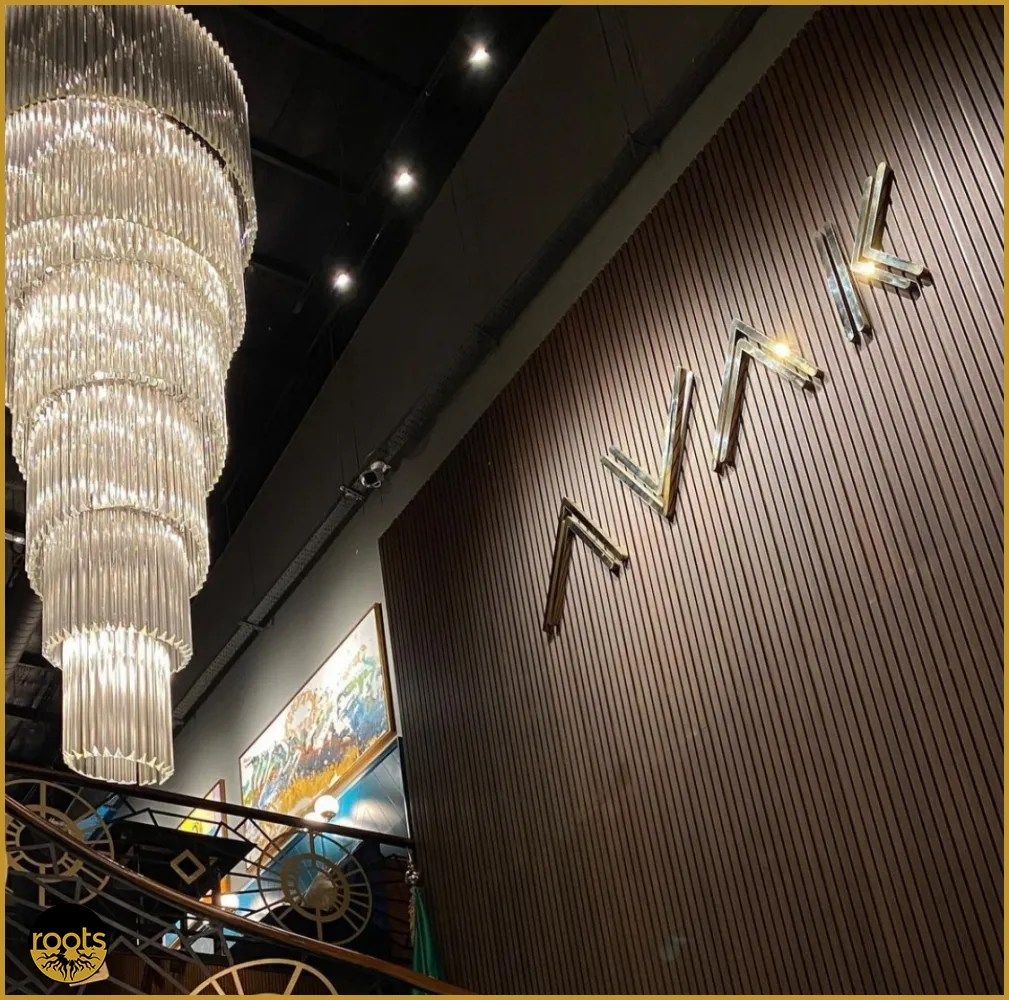
Architectural Restaurant Design: Strategic Harmony of Aesthetics and Functionality
For a restaurant business, the physical space is not merely an area where food is eaten; it is the most critical element that reflects the brand's identity, shapes customer loyalty and determines operational efficiency. Architectural restaurant design aims for all processes from the kitchen to the service to run smoothly while creating the spirit of the space. A successful restaurant interior design maximizes the comfort of guests while also creating a profitable working environment for business owners.
Why Is Restaurant Interior Design Important?
Customers go to a restaurant not only for the taste, but for the atmosphere and experience it offers. Design is the cornerstone of this experience. A properly planned space meets the following needs:
- Customer Flow and Circulation: It establishes the balance between the movement area of the waiters and the passageways of the customers.
- Brand Identity: It makes it felt at first glance whether the business has a luxury, fast service (fast-food) or boutique concept.
- Acoustic Comfort: It increases the privacy between tables and the quality of conversation by preventing noise pollution.
- Lighting Strategy: It beautifies the presentation of the dishes and helps the space adapt to different times of the day.
Who Is It Suitable For and When Should It Be Preferred?
A professional architectural touch is necessary for investors considering opening a new business as well as for operators who want to modernize their existing space. Professional support plays a critical role especially in the following situations:
- New Investments: To prevent faulty layout starting from the concept stage.
- Re-branding: To create an atmosphere suitable for the changing target audience or menu content.
- Efficiency Losses: In cases where the service speed is low or the seating capacity cannot be optimized.
Material Selection and Durability Analysis
The materials to be used in restaurants must be resistant to intensive usage traffic, moisture and cleaning chemicals. Although indoor and outdoor requirements differ, the balance of cost and aesthetics is always at the forefront.
| Material Type | Durability | Area of Use | Cost Axis |
|---|---|---|---|
| Natural Stone & Marble | Very High | Floor, Countertop, Decorative Walls | High / Premium |
| Solid Wood | Medium - High | Furniture, Ceiling Details | Medium - High |
| Industrial Metal | Very High | Kitchen, Open Ceilings, Furniture Frame | Medium |
| Ceramic & Porcelain | High | Floor, Wet Areas, Kitchen Walls | Economical - Medium |
| Composite Panels | High | Exterior Facade Cladding, Signage Areas | Medium |
Things to Consider Before Purchasing and Implementation
Before receiving a design service or entering the implementation process, the following items will facilitate your decision-making process:
- Kitchen and Dining Area Balance: It should be clarified how much of the total area will be allocated to the preparation area (kitchen, storage) and how much to the guest area.
- Ventilation Infrastructure: The only thing more important than the visual design is that the space does not smell. A strong HVAC system should be hidden within the design.
- Flexibility: The ability to combine tables when necessary or to reorganize the space according to different events provides a long-term advantage.
- Local Regulations: Fire regulations, disabled access and municipal license criteria should form the basis of the architectural project.
What Is Its Difference from Alternative Approaches?
The most fundamental difference between a standard decoration project and architectural restaurant design is the "engineering" approach. While decoration focuses only on surface aesthetics, architectural design considers the space as a whole, from electrical installation to lighting automation, from an ergonomic seating plan to the kitchen workflow chart. This professional approach extends the lifespan of the business and minimizes renovation costs.
Frequently Asked Questions
Question: How long does the restaurant design process take on average?
Answer: Depending on the size of the space and the details of the concept, the design process can vary between 2 and 6 weeks. The implementation phase varies depending on the procurement time of the selected materials.
Question: Can I integrate my existing furniture into the new design?
Answer: Yes, within the framework of a sustainable design approach, your existing furniture can be modified or adapted to the new concept to produce low-cost solutions.
Question: Does the choice of color in the design affect sales?
Answer: Absolutely. While warm colors are appetite-stimulating and energizing, cool tones create a calmer atmosphere suitable for longer seating periods. The color palette is determined according to the restaurant's service speed and target audience.
Results-Oriented Approach
A good restaurant interior design is a silent language that tells the story of your business. A user-friendly space that meets aesthetic and technical standards ensures that your guests not only satisfy their hunger but also build a connection with your brand. At the decision-making stage, evaluating the budget not merely as an expense item but as an investment in the future of the business is the most important step that brings success.











































































