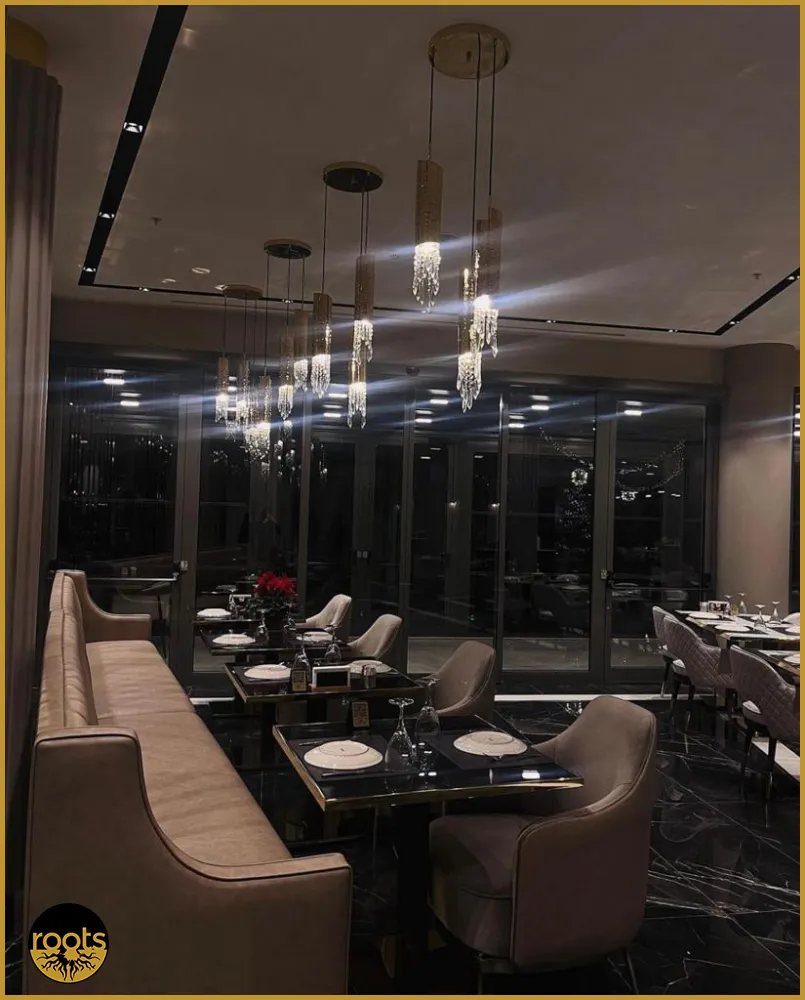
Architectural Restaurant Design and Interior Dynamics
The success of a restaurant is directly related to the atmosphere it makes its guests feel and the comfort it offers, beyond the flavors it serves. Architectural restaurant design is a discipline that, in addition to creating an aesthetic perception, maximizes operational efficiency, manages customer psychology and transforms brand identity into a physical form. A correct interior design aims to create not just a dining area, but a living experience point.
Main Objectives of Restaurant Interior Design
A professional interior design is a whole of strategic decisions that support the commercial sustainability of the space. In this process, the following main needs are met:
- Regulation of Operational Flow: The traffic between the kitchen, service area and customer tables is ensured to progress in the fastest way without overlapping.
- Customer Experience and Comfort: With lighting, acoustics and ergonomic furniture selection, the quality of the time guests spend in the space is increased.
- Brand Belonging: Consistency is created between the culinary culture the restaurant offers (Italian, Far Eastern, Local, etc.) and the visual language of the space.
- Capacity Optimization: By using the available square meters in the most efficient way, maximum seating capacity is reached without compromising on spaciousness.
Material Selection and Functionality in the Design Process
In restaurant designs, material selection is of critical importance in terms of both aesthetic and hygiene standards. The materials to be used in a commercial area must be resistant to intensive foot traffic, humidity changes and frequent cleaning processes. The following table compares the material types frequently preferred in architectural processes according to different criteria:
| Material Type | Durability Level | Area of Use | Cost Axis | Prominent Feature |
|---|---|---|---|---|
| Natural Stone (Marble/Granite) | Very High | Countertops, Flooring | High | Prestigious and luxurious appearance |
| Solid Wood | Medium | Furniture, Wall Panels | Medium - High | Warmth and natural atmosphere |
| Industrial Metal | Very High | Lighting, Decoration | Medium | Modern and durable structure |
| Ceramic / Porcelain | High | Flooring and Kitchen Areas | Economical - Medium | Easy cleaning and hygiene |
Who Is It Suitable For and In Which Situations Should It Be Preferred?
Architectural design service is a necessity not only for businesses to be newly opened, but for all investors who want to modernize their existing structure. Especially in the following situations, receiving professional interior design support is inevitable:
- New Business Establishments: To place the concept on solid foundations from the very beginning.
- Rebranding: In order to adapt to the changing target audience and current trends.
- Efficiency Losses: For spatial improvement in spaces where service speed is low or customer complaints are increasing.
- Niche Restaurant Concepts: In spaces that need a specific atmosphere such as fine-dining, gastropub or boutique cafes.
Aspects That Differentiate from Alternatives
The biggest difference between an ordinary decoration process and architectural restaurant design is that the planning is done "human-oriented". Instead of filling an area with ready-made furniture; the acoustics of the space are examined, the angle of light during the day is calculated and ventilation systems are hidden and combined with aesthetics. The blending of technical engineering with an artistic perspective puts the business one step ahead of its competitors.
Things to Consider Before Purchasing and Implementation
Evaluating the following points before starting to work with an architectural office or design team will accelerate the return on your investment (ROI):
- Target Audience Analysis: Who will the venue appeal to? (E.g., employees eating a quick meal, or families wanting long evening dinners?)
- Lighting Strategy: Not just visuals, but the right lumen values that affect the presentation of the food and the customer's mood should be selected.
- Kitchen and Service Balance: It should be clarified how much of the total area will be allocated to the kitchen and how much to the guests.
- Sustainability and Energy: Energy-efficient lighting and eco-friendly materials reduce costs in the long term.
Frequently Asked Questions
1. How long does the restaurant design process take?
Depending on the scale of the project, the design phase usually varies between 4-8 weeks, while the implementation process can be completed in 2 to 4 months depending on the physical condition of the venue.
2. How should restaurant design be in small spaces?
In small areas, a sense of depth should be created by using mirrors, light color palettes and vertical storage solutions. Versatile use of the space is ensured by choosing modular furniture.
3. Why is acoustic design important?
Comfort decreases in venues where customers cannot hear each other comfortably or where kitchen noise reflects into the dining area. This problem is professionally solved with sound-absorbing panels and textile products.
4. What determines the cost of the design?
The cost varies depending on the quality of the selected materials, the infrastructure (plumbing, ventilation) needs of the venue and the furniture preferences.
In conclusion, a successful restaurant interior design is an engineering work that combines aesthetics with functionality. A well-planned venue both increases employee happiness and raises the value of the brand by winning the loyalty of guests. At the decision-making stage, it is necessary to focus on visionary solutions that consider not only today's trends but also future operational needs.











































































