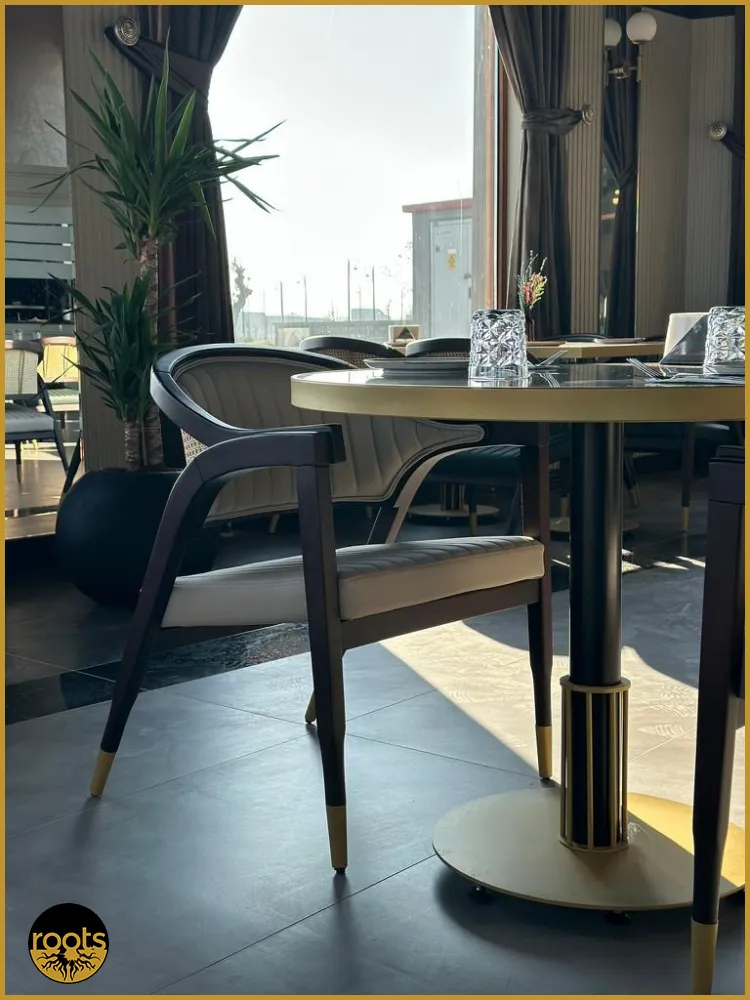
Architectural Restaurant Design and Interior Strategies
A restaurant project is not merely an aesthetic decoration process; it is the translation of operational efficiency, customer psychology and brand identity onto a physical plane. Architectural restaurant design aims to maximize the workflow of staff while optimizing the time from guests' first step into the space to the moment of departure.
Professional interior design is the fundamental element that defines the spirit of a space. In this process, correct lighting, acoustic balance, circulation routes and ergonomic furniture selection come together to create an ecosystem that supports commercial success. Good design does not only offer visual appeal; it is also a strategic investment that reduces operating costs and increases customer loyalty.
Who Is the Design Process Suitable For?
Architectural design services address a wide range of different needs. A professional interior intervention becomes inevitable especially in the following situations:
- New Investors: Those who want to reflect their brand identity onto a physical space for the first time.
- Concept Change: Those who want to modernize their existing business or transition to a completely different culinary culture.
- Those Experiencing Operational Problems: Businesses that experience efficiency loss due to disconnections between the kitchen and service area.
- Chain Brands: Corporate structures aiming to create a standard visual language and user experience across different locations.
Critical Success Factors in Restaurant Design
The points to consider when designing the interior of a restaurant are of vital importance for the sustainability of the project. The following criteria should be taken into account during the decision-making stage:
Functional Layout: The distance between tables, the width of service paths and kitchen entry-exit points should prevent confusion during peak hours. Circulation planning must be set up correctly for both customer comfort and staff speed.
Lighting and Acoustics: The intensity and color of light directly affect the presentation quality of dishes. At the same time, the acoustics of the space help customers feel in a private area by providing sound insulation between tables.
Material Selection: As well as the aesthetic appearance of materials used in commercial spaces, their compliance with fire regulations, ease of cleaning and resistance to heavy traffic should be examined.
| Material Type | Durability | Area of Use | Cost Axis |
|---|---|---|---|
| Natural Stone & Marble | High (Resistant to heat and scratching) | Counters, Flooring, Feature Walls | High / Premium |
| Solid Wood | Medium (Requires maintenance) | Furniture, Ceiling Details | Medium - High |
| Industrial Metal | Very High | Lighting, Partition Panels | Medium |
| Ceramic & Porcelain | High (Easy to clean) | Flooring, Wet Areas | Economical - Medium |
What Is the Difference from Traditional Decoration?
Architectural restaurant design differs from a simple decoration application through its holistic approach. While standard decoration focuses only on superficial visual improvements, architectural design covers the following technical details:
- Integration of mechanical and electrical installations with the decoration.
- Capacity calculation of kitchen ventilation systems (hood capacity, etc.).
- Disabled accessibility and compliance with official regulations.
- Space efficiency analysis (optimization of the number of seats per square meter).
Things to Consider Before Purchasing and Implementation
Checking the following items before receiving a design service or during the project phase will prevent loss of budget and time:
- Target Audience Analysis: An atmosphere appropriate to the expectations of the audience the restaurant will appeal to (Fine-dining, Fast-food, Bistro, etc.) must be designed.
- Budget Discipline: The aesthetic value of the design must align with the budget realities of the implementation phase.
- Kitchen Ergonomics: Equipment placement must be arranged according to the preparation processes of the dishes on the menu.
- Future Projection: The design must be flexible, allowing for minor changes to be made in later periods.
Frequently Asked Questions
1. Does restaurant design affect business revenue?
Absolutely. A well-designed space directly increases the time customers spend inside, their appetite to order, and the likelihood of them returning. The psychological use of color and proper lighting are the key tools in this process.
2. How long does the design process take on average?
Depending on the scale of the project, the design and technical drawing phase generally ranges from 4 to 8 weeks. The implementation process varies according to the procurement time of the selected materials.
3. What design approach should be followed for small spaces?
In small areas, minimalist solutions and multifunctional furniture should be preferred. The perception of space should be expanded with mirrors and strategic plays of light, and vertical areas should be used effectively for storage or decoration.
4. Is kitchen design part of the interior?
Yes, in a professional architectural project, the kitchen is considered the "operational center." The speed of the workflow in the kitchen determines the speed of service; and this directly determines customer satisfaction.
In conclusion, restaurant interior designs are not a luxury but the cornerstone of commercial sustainability. A well-planned space tells your brand's story while offering your guests an unforgettable experience. Projects prepared with a professional approach melt aesthetics and functionality in the same pot, opening the path to long-term success.











































































