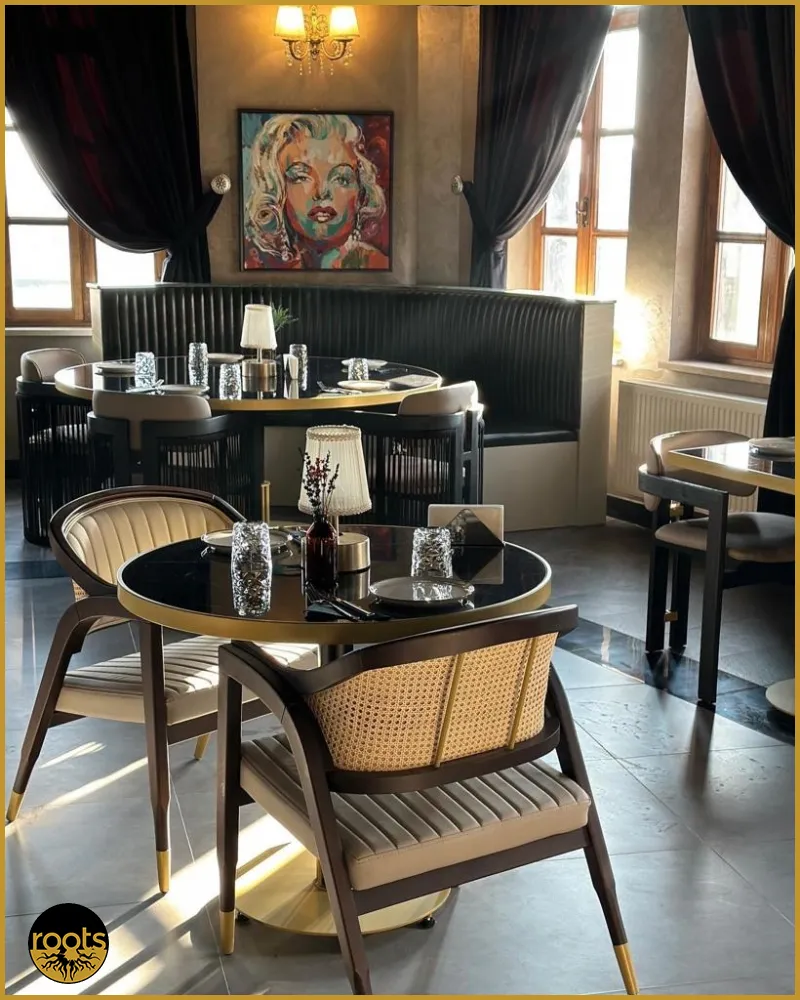
Architectural Restaurant Design: A Comprehensive Guide from Concept to Implementation
The success of a restaurant is directly related not only to the flavors it offers but also to the unique experience it provides to its visitors. The foundation of this experience is formed by an effective architectural restaurant design and carefully prepared restaurant interior designs. A well-designed space both optimizes the way you host your guests and strengthens your brand identity, enabling them to accumulate unforgettable memories.
In this comprehensive guide, we will address all the details you need to consider when creating the most suitable architectural and interior design for your restaurant. Our aim is to help you, valued professionals researching our product or service, make informed decisions.
Why Is Architectural Restaurant Design Important?
The architectural and interior design of your restaurant is much more than a space; it is your brand's means of nonverbal communication. With the right design:
- It Enriches the Customer Experience: Comfortable seating areas, effective lighting and aesthetic visuals keep your guests in the space longer and encourage them to return.
- It Strengthens Brand Identity: The design reflects your restaurant's concept, style and values, creating a memorable image.
- It Increases Operational Efficiency: Smart planning of the kitchen, service area and customer areas enables your staff to work faster and more effectively.
- It Maximizes the Potential of the Space: By using the existing space in the best possible way, more seating capacity or a more spacious atmosphere can be created.
- It Makes a Difference in Competition: An original and striking design enables you to stand out from your competitors and come to the fore in the market.
Restaurant Interior Designs: What Should Be Considered?
Restaurant interior designs are the first and most lasting impression that welcomes your guests. In this process, the following elements are of critical importance:
1. Determining the Concept and Creating a Theme
Your restaurant's target audience, the type of cuisine it will offer and its overall atmosphere form the basis of the design. A luxurious fine-dining restaurant, an intimate cafe or an energetic bistro require completely different design approaches. The concept guides everything from the color palette to furniture selection, from lighting to decorative objects.
2. Space Planning and Functionality
Space planning is of vital importance for both operational efficiency and customer comfort. The clarity of service routes, the location of kitchen and bar areas, the accessibility of restrooms and the ergonomics of the seating arrangement should be taken into consideration.
- Seating Arrangement: A variety of seating options should be offered to appeal to different customer groups (couples, families, groups). Sufficient distance between tables ensures privacy and freedom of movement.
- Kitchen and Service Area Integration: The connection between the kitchen and the service area plays a critical role in serving meals fresh and quickly.
- Entrance and Welcome Area: The area where guests are first welcomed should reflect the overall ambiance of the restaurant and be inviting.
3. Lighting Design
The right lighting is one of the most powerful elements that determine the atmosphere of a space. A lighting plan that is both functional and aesthetic significantly improves the restaurant experience.
- General Lighting: Illuminates the space overall and provides safety.
- Task Lighting: Provides more focused light in specific areas such as tabletops and the bar counter.
- Accent Lighting: Used to highlight decorative objects, works of art or architectural details.
- Ambient Lighting: Lighting such as candlelight and dimmer settings that softens the atmosphere and adds a romantic air.
4. Color Palette and Material Selection
Colors and materials directly affect the feel and character of a space. Well-chosen colors can stimulate the appetite, soothe or create an energetic environment. The texture and appearance of materials determine the characteristics of the space, such as luxurious, rustic, modern or industrial.
5. Acoustic Arrangement
Sound management in restaurants should not be overlooked for customer comfort. Excessive noise hinders conversation and negatively affects the overall experience. Acoustic balance can be achieved through sound insulation materials, furniture selection and space arrangement.
Who Is It Suitable For?
Architectural restaurant design and interior solutions are ideal in the following situations and for the following people:
- Entrepreneurs Opening a New Restaurant: Those who want to create a brand identity from scratch and plan every detail of the venue correctly from the very beginning.
- Those Who Want to Renovate Their Existing Restaurant: Business owners who want to keep up with current trends, increase customer satisfaction or raise the efficiency of the venue.
- Businesses That Want to Strengthen Their Brand Image: Those who wish their venues to reflect the quality of the products and services they offer.
- Those Aiming to Offer a Different Experience: Restaurants that want to impress their guests by offering not only food but also an unforgettable atmosphere.
- Those Who Want to Solve Operational Problems: Those aiming to improve flow problems within the venue, insufficient seating areas or an inefficient working layout.
Which Needs Does It Meet?
Effective architectural and interior design meets many fundamental needs of a restaurant:
- Aesthetic Need: It offers a visually pleasing, aesthetically satisfying venue.
- Functional Need: It ensures efficient use of kitchen, service and customer areas.
- Psychological Need: It makes guests feel comfortable, safe and valued.
- Branding Need: It visually communicates the restaurant's identity, values and the experience it offers.
- Marketing Need: An attractive venue acts as a natural marketing tool, increasing its potential for sharing on social media.
In Which Situations Should It Be Preferred?
Restaurant design is a necessity rather than a luxury. Professional support is especially beneficial in the following situations:
- Opening a New Restaurant: Planning the venue correctly from the initial design prevents problems that may arise later.
- Renewing a Lease Agreement or Renting a New Venue: To bring out the potential of the existing or new venue in the best possible way.
- Brand Restructuring: When the concept, atmosphere or target audience of an existing restaurant is to be changed.
- Need for Differentiation in a Competitive Environment: A unique design to stand out in a highly competitive area.
- Increasing Customer Complaints: In cases where customer feedback regarding comfort, flow or atmosphere is negative.
What Are Its Differences from Alternatives?
Unlike traditional decoration approaches, comprehensive architectural restaurant design:
- Offers a Holistic Approach: It approaches not only aesthetics but also functionality, acoustic arrangements, lighting and customer experience as a whole.
- Focuses on Efficiency: It aims not only for the venue to look beautiful but also to operate in the most efficient way operationally.
- Thinks Long-Term: It offers long-lasting solutions with durable materials, flexible space solutions and an aesthetic understanding that transcends time.
- Ensures Brand Integrity: It guarantees that all physical elements of the restaurant are compatible with the brand identity.
Material Selection: Comparison of Durability, Aesthetics and Cost
The materials used in restaurants are of great importance in terms of both appearance and durability. Here is a comparison of some commonly used materials:
| Material Type | Durability | Indoor Use | Outdoor Use | Cost (Average) |
|---|---|---|---|---|
| Wood (Solid, Veneer) | Medium-High (Varies by type) | Very High (Floor, wall, furniture) | Low-Medium (Treated, specially coated) | Medium-High |
| Natural Stone (Marble, Granite) | High | High (Floor, countertop, wall cladding) | High | High |
| Ceramic/Porcelain Tile | High | Very High (Floor, wall) | High | Low-Medium |
| Metal (Stainless Steel, Iron) | High | High (Furniture, lighting, decor) | Medium-High (With coating) | Medium-High |
| Concrete (Polished, Decorative) | High | High (Floor, wall, countertop) | Medium | Low-Medium |
| Fabric/Leather (Upholstery) | Medium (Varies by area of use) | High (Sofa, chair) | Very Low | Medium-High |
Things to Consider Before Purchasing
When purchasing a service or product related to restaurant design, you should pay attention to the following points:
- Review References: Research the previous restaurant projects and references of designers or suppliers in detail.
- Conduct a Needs Analysis: Have a clear idea about the current state of your venue, your target audience and your budget.
- Strengthen Communication: Establish open and transparent communication with the design team and clearly express your expectations.
- Get a Detailed Quote: Request a detailed quote including the scope, materials, delivery dates and payment terms.
- Review the Contract Terms: Read and understand all the clauses in the contract carefully before making an agreement.
- Think Long-Term: Evaluate how the design and materials you choose will affect not only today's needs but also future operations.
Frequently Asked Questions (FAQ)
We Are By Your Side in Your Decision-Making Process
In this guide, we have tried to present all the information you need to make an informed decision about the architectural and interior design that will directly affect the success of your restaurant. A professional perspective is always valuable for maximizing the potential of your space, offering your guests an unforgettable experience and strengthening your brand.
In light of this comprehensive information, we believe you will take the right steps for your restaurant.











































































