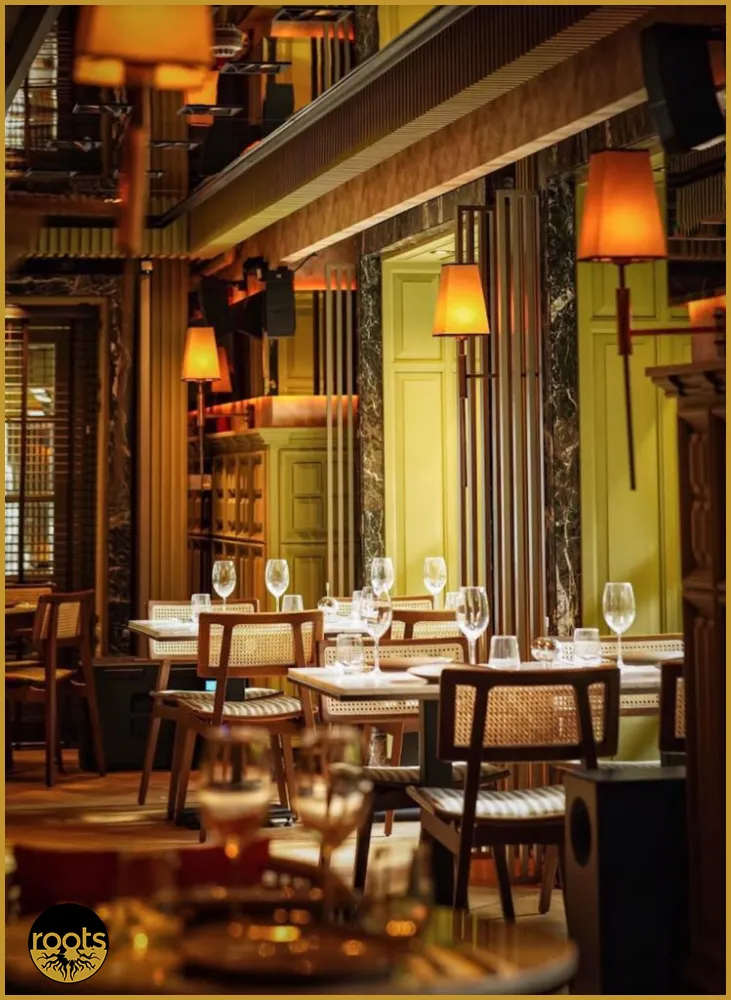
Architectural Restaurant Design: Building the Identity of Your Space
The success of a restaurant is not limited to the flavors it offers; one of the most important elements that shapes the guests' experience from their first impression to their last departure is the space itself. Architectural restaurant design is the art of transforming a restaurant's spirit, concept and brand identity into a physical space. This process brings together many critical factors such as functionality, user experience and operational efficiency, alongside aesthetic concerns.
What Does Restaurant Design Do?
Professional restaurant design serves many functions beyond increasing the value and appeal of a space:
- Strengthens Brand Identity: Design creates a memorable identity by reflecting the brand's values, the cuisine it offers and its target audience.
- Improves Customer Experience: Comfortable seating arrangements, correct lighting, acoustic design and smooth circulation areas make guests feel special.
- Increases Operational Efficiency: Every detail, from kitchen layout to service areas, from storage solutions to restrooms, allows staff to work faster and more effectively.
- Maximizes the Potential of the Space: Using the existing space in the most efficient way can mean creating more table capacity or a more spacious atmosphere.
- Provides a Competitive Advantage: A unique and eye-catching design helps you stand out from your competitors.
Who Is It Suitable For?
Architectural restaurant design appeals to a wide audience, from entrepreneurs planning to open a new restaurant to operators who want to increase the potential of their existing spaces. Specifically:
- Those Opening a New Restaurant: Those who want to design spaces that suit their concept and create a strong first impression.
- Those Who Want to Renovate Their Existing Restaurant: Those who want to update an outdated decoration, increase the functionality of the space or give it a new identity.
- Chain Restaurant Brands: Those who want to ensure brand consistency across different locations and raise standards.
- Businesses with Different Cuisine Types: Those who want to create original spaces that reflect the spirit of specific cuisines such as Italian, Asian, Turkish and Mediterranean cuisine.
- Cafe, Bistro and Bar Operators: All food and beverage venues that want to offer not only food but also a pleasant atmosphere.
Which Needs Does It Meet?
Restaurant design is designed to meet the basic needs and goals of your business:
- Aesthetics and Atmosphere: The visual appeal that welcomes your guests, the overall ambience of the space and thematic integrity.
- Space Organization and Flow: Functional arrangements such as seating layouts, service paths and kitchen access.
- Customer Comfort: Ergonomic furniture, appropriate lighting levels, sound insulation and climate control solutions.
- Operational Efficiency: Arrangements that allow staff to move comfortably and service processes to proceed smoothly.
- Durability and Ease of Maintenance: Selection of long-lasting materials suitable for intensive use and easy to clean.
- Legal and Safety Standards: Compliance with regulations such as fire safety, accessibility and hygiene.
When Should It Be Preferred?
Professional architectural restaurant design will give the most effective result in the following situations:
- During the Initial Project Planning Stage of the Space: It is fundamental to ensure that the concept is reflected in the space in the most accurate way.
- When a Comprehensive Revision of the Existing Space Is Required: When there are functionality issues, an outdated appearance or a changing concept.
- When Strengthening or Redefining Brand Identity Is Desired: When the goal is for the restaurant to have a more distinct identity.
- When Differentiation in a Competitive Market Is Targeted: When the aim is to create an eye-catching and memorable space by moving away from the ordinary.
- When Increasing Return on Investment (ROI) Is Aimed For: A well-designed space can accelerate the return on investment by attracting more customers and increasing the average spend.
In Which Ways Does It Differ from Its Alternatives?
Restaurant design, unlike decoration alone or simple renovations, is a more holistic approach:
- Holistic Approach: Instead of focusing solely on visuals, it addresses the architecture, interior, lighting, acoustic properties, material selections and operational flow of the space as a whole.
- Integration of Functionality and Aesthetics: In addition to beauty, it prioritizes the functionality of the space, staff efficiency and customer comfort.
- Concept and Identity Focus: It ensures that every detail is compatible with the restaurant's core concept and brand identity.
- Expertise and Experience: Expert architects and designers offer the most accurate solutions with their technical knowledge and experience.
- Long-Term Investment: It is seen not just as an instant solution, but as a strategic investment that will support the long-term success of the business.
Points to Consider in Material Selections
The materials used in restaurants are of great importance in terms of both aesthetic appearance and durability and ease of maintenance. A comparison of different material types is presented below:
| Material Type | Durability | Interior/Exterior Architectural Use | Cost (Average) | Features |
|---|---|---|---|---|
| Natural Stone (Marble, Granite) | Very High | Interior (Floor, Countertop, Wall) and Exterior (Facade) | High | Prestigious, natural appearance, sensitivity to stains and scratches (depending on processing). |
| Wood (Solid, Veneer) | Medium-High (Depending on Processing and Maintenance) | Interior (Floor, Wall Cladding, Furniture) | Medium-High | Warm, natural atmosphere, may require careful use against moisture and impacts. |
| Ceramic / Porcelain | High | Interior (Floor, Wall) and Exterior (Floor, Wall) | Low-Medium | Wide pattern and color options, hygienic, stain-resistant, scratch-resistant. |
| Concrete / Microcement | High | Interior (Floor, Wall) and Exterior (Floor, Wall) | Medium | Industrial, modern appearance, smooth or textured surfaces, durable. |
| Metal (Stainless Steel, Iron) | High | Interior (Furniture, Lighting, Decor) and Exterior (Facade Elements) | Medium-High | Modern, industrial, durable, can be diversified with different coatings. |
| Fabric / Leather (Upholstery) | Medium (Depending on Intensive Use) | Interior (Furniture Upholstery) | Medium-High | Comfort, aesthetics, stain-resistant and easy-to-clean options are important. |
What Should Be Considered Before Purchasing?
Here are the important points you should consider before starting a restaurant design project or evaluating an existing project:
- Concept Clarity: Clearly define what kind of cuisine your restaurant will offer, its target audience and the atmosphere it wants to achieve.
- Budget Determination: Create a realistic budget covering design, implementation, furniture, lighting and decoration costs.
- Expert Team Selection: Working with an experienced architecture office or designer with strong references increases your project's chances of success.
- Analysis of the Space: The architectural features, dimensions, natural light sources and infrastructure of the existing space must be analyzed in detail.
- Functionality Priority: As much as aesthetics, meeting functional needs such as kitchen operations, service flow and customer comfort is of vital importance.
- Material Selection: Materials that meet your expectations for durability, ease of maintenance, hygiene and aesthetics should be selected.
- Legal Requirements: Compliance with all relevant legal regulations such as licensing, fire safety and disabled access must be ensured.
- Lighting Plan: Lighting, which directly affects the atmosphere and functionality of the space, must be planned correctly.
- Acoustic Arrangements: Acoustic solutions should be considered so that the sound level is not disturbing for customer comfort.
Frequently Asked Questions
Getting professional architectural support to create a space that reflects the spirit of your restaurant, fascinates your guests and supports your operational success will be one of the most valuable investments you make in the long term. To discover the potential of your space and turn the restaurant of your dreams into reality, consider getting expert support.











































































