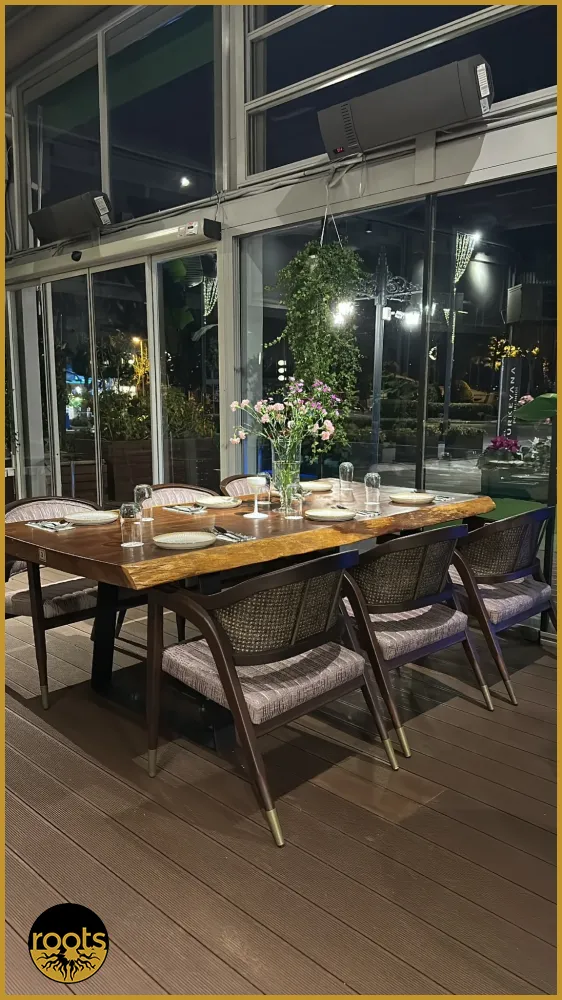
Architectural Restaurant Design: Creating Spaces That Attract Your Customers
The success of your restaurant is directly related not only to its delicious food but also to the atmosphere it offers. A professional architectural restaurant design is a critical element that draws your guests in, offers them an unforgettable experience and ensures they come back. In this comprehensive guide, you will find the finer points of restaurant design, information to help you make the right decisions and the points you need to pay attention to.
What Is Restaurant Design and Why Is It Important?
Restaurant design is the planning and implementation of the physical and visual elements of a dining venue. Beyond being merely an aesthetic arrangement, it encompasses many factors such as functionality, user experience, brand identity and operational efficiency. A well-designed restaurant;
- Increases customer satisfaction.
- Raises brand value.
- Enables staff to work more efficiently.
- Sets your venue apart from your competitors.
- Can increase the perceived value of the venue and therefore its potential revenue.
Who Is It Suitable For?
Architectural restaurant design is especially important in the following situations or for the following groups:
- Entrepreneurs Opening a New Restaurant: Planning all the details of the venue professionally, starting from the concept.
- Those Who Want to Renovate Their Existing Restaurant: To keep up with current trends, improve the customer experience or strengthen the brand image.
- Restaurant Chain Brands: Developing standard design principles to offer a consistent brand experience across different locations.
- Restaurant Areas in Hotel, Shopping Mall or Mixed-Use Projects: Creating designs that are in harmony with the overall architecture of the venue and appeal to the target audience.
- Dining Venues with Different Concepts: For every type of venue, from fine-dining restaurants to quick-service venues, from cafes to bars.
Which Needs Does It Meet?
An effective architectural restaurant design responds to a range of critical needs:
- Creating Aesthetics and Atmosphere: It determines the overall ambience of the venue and offers your guests a pleasant and inviting environment.
- Functional Space Planning: It ensures the most efficient use of areas such as the kitchen, service areas, seating arrangements, restrooms and storage.
- User Experience Optimization: It creates an environment where guests can move comfortably, tables are comfortable and acoustic arrangements are made.
- Reflecting Brand Identity: It creates a visual language suited to the restaurant's concept, values and target audience.
- Operational Efficiency: It facilitates the service flow of the staff, strengthens communication between the kitchen and service, and provides ease of cleaning and maintenance.
- Managing Customer Flow: It aims for guests to have a comfortable experience by organizing points such as the entrance, waiting areas and exit.
- Safety and Accessibility: It ensures compliance with legal regulations such as fire escape routes and disabled access.
When Should It Be Preferred?
Restaurant design is a process that must be considered at every stage of the project. However, it should be handled proactively especially in the following situations:
- When establishing a new business: To lay the right foundations from the very beginning.
- When your existing venue no longer meets your expectations: If you are experiencing physical limitations, outdated decoration or insufficient functionality problems.
- When you want to strengthen or change your brand image: To redefine your target audience or refresh the current perception.
- When you want to create a competitive advantage: To stand out from your competitors and come to the fore.
- When you want to increase the efficiency of the venue: To eliminate operational disruptions and optimize costs.
Key Elements in Restaurant Design
A successful architectural restaurant design contains many elements that work in an integrated way:
1. Concept and Brand Identity
Everything begins with the restaurant's core concept. What type of cuisine will be offered? Who is the target audience? What feeling should the venue evoke? The answers to these questions guide all the decisions of the design. Brand identity must be reflected consistently through the colors used, materials, furniture and even the menu design.
2. Space Planning and Flow
This is the most functional aspect of the design. The logical flow between the kitchen layout, service routes, customer seating areas (dining hall, bar, private rooms), restrooms, storage and staff areas is critical for operational efficiency. Customer flow is also important; the process of being welcomed at the entrance, the waiting area, being directed to the table and the exit must be seamless.
3. Seating Arrangement and Comfort
Customer comfort must be at the center of the design. The distance between tables, the ergonomics of the seats and chairs, the correct adjustment of lighting and acoustic arrangement (preventing sound echo) directly affect the guest experience. Offering different seating options (for example, two-person tables, group tables, bar seating, booth seats) also provides flexibility.
4. Lighting Design
Lighting is one of the most powerful tools in creating the atmosphere of a space. General lighting, task lighting (tables, service areas) and accent lighting are used together to create the desired ambience. Making maximum use of daylight is also important.
5. Material Selection
The materials used determine both the aesthetic appearance and durability. Floor coverings, wall coverings, table surfaces, counters and other surfaces must be suitable for both visual appeal and intensive use. Hygiene and ease of cleaning are also important criteria in material selection.
A table comparing different material types in terms of durability, area of use and cost:
| Material Type | Durability | Area of Use (Indoor/Outdoor) | Cost (Estimated/Relative) |
|---|---|---|---|
| Natural Stone (Granite, Marble) | Very High | Indoor and Outdoor (suitably treated) | High |
| Ceramic / Porcelain Tile | High | Indoor and Outdoor | Medium |
| Wood (Solid, Veneer) | Medium - High (requires protection) | Primarily Indoor (outdoor products available) | Medium - High |
| Concrete (Polished, Decorative) | High | Indoor and Outdoor | Medium |
| Metal (Stainless Steel, Iron) | High | Indoor and Outdoor | Medium - High |
| Fabric and Upholstery Materials | Medium - High (varies by quality) | Primarily Indoor | Variable |
| Glass (Tempered, Decorative) | Medium - High | Indoor and Outdoor | Variable |
6. Color Palette and Decoration
Colors have a major effect on the psychology of a space. A color palette should be chosen that is compatible with the brand identity, appeals to the target audience and creates the desired atmosphere. Decorative elements (artworks, plants, accessories) should complete the character of the space.
7. Acoustic Design
Acoustic arrangement is essential in restaurants so that speech is intelligible and the general noise level is not disturbing. Surface materials, ceiling designs and sound-absorbing panels help in this regard.
8. Kitchen and Service Area Design
Although not visible, designing the kitchen and service areas efficiently directly affects service quality. The layout of kitchen equipment, preparation areas, washing areas and the optimization of the service staff's movement area must be ensured.
Frequently Asked Questions About Architectural Restaurant Design
How is a design suitable for my restaurant's target audience selected?
You start by analyzing your target audience in detail. Factors such as age group, income level, expectations and lifestyle should influence design decisions. For example, a more modern and energetic design may be preferred for a young and dynamic audience, while a more classic and calm atmosphere may be preferred for a more mature and sophisticated audience. The choice of colors, furniture, lighting and music is shaped according to this audience.
Which materials are popular in restaurant interior designs?
Natural and sustainable materials stand out among current trends. Wood, stone, concrete and recycled materials reflect both aesthetics and environmental awareness. Metal details, luxury upholstery such as velvet or leather, and plants also maintain their popularity. However, the most important thing is that the chosen material is compatible with the restaurant's concept and is durable.
Why is restaurant exterior design important?
The exterior facade is the restaurant's first impression. Potential customers see the venue from a distance, and the exterior design gives them an idea of what to expect inside. An attractive exterior that reflects brand identity and harmonizes with its surroundings helps you attract more customers. The visibility of signage, lighting and the overall aesthetics of the venue are critical at this stage.
How long does a restaurant design take?
The design process varies depending on the size, complexity and current condition of the project. While a simple renovation can take a few weeks, the design process for a large restaurant project from scratch can take months. This process includes concept development, architectural drawings, engineering calculations and material selections.
How can I optimize costs in restaurant design?
Cost optimization is possible through conscious material choices and smart space planning. For example, instead of very expensive materials, aesthetically similar but more affordable alternatives can be chosen. A layout that increases operational efficiency can reduce staff and energy costs in the long term. In addition, it is important to set a clear budget at the start of the project and to stick to this budget. An expert designer can help you find the best solutions in terms of both aesthetics and cost.
How are acoustic problems solved?
Acoustic problems are generally caused by hard surfaces (glass, concrete, glossy tiles) reflecting sound too much. Sound-absorbing materials can be used to solve these problems. Acoustic panels on ceilings, special fabric coverings on walls, thick curtains, carpets and correctly placed furniture soften the sound and reduce echo. Plants can also serve as a natural acoustic regulator.
Differences from Alternatives and Points to Consider
There are many restaurant interior design services and furniture providers on the market. The main advantages of working with a professional architectural restaurant designer are as follows:
- Comprehensive Approach: They address all elements holistically, not only aesthetics but also functionality, brand identity, customer flow and operational efficiency.
- Expertise and Experience: They understand the dynamics of the gastronomy sector and are knowledgeable about current trends and legal requirements.
- Tailor-Made Solutions: They offer original designs specific to your brand's unique needs and target audience.
- Reduction of Risks: By anticipating potential mistakes, they help you avoid unnecessary costs.
- Increasing Brand Value: They increase your brand value and customer satisfaction in direct proportion to the aesthetic and functional quality of your venue.
Points to Consider Before Purchasing:
- Portfolio Review: Examine the designer's previous restaurant projects and style. Does it match your vision?
- Reference Check: Speak with previous clients to get information about service quality and satisfaction levels.
- Detailed Proposal: Make a written contract that clarifies the scope of service, payment plan and delivery dates.
- Communication Style: Evaluate how easy and open your communication with the designer is.
- Budget Planning: Clarify the budget range envisaged by the designer and possible additional costs.
- Legal Requirements: Question whether the designer is knowledgeable about matters such as licensing, health and safety regulations.
The right architectural restaurant design is one of the most important investments for the long-term success of your business. By bringing together aesthetics, functionality and brand identity, you can create venues that offer your guests unforgettable experiences and set you apart from your competitors.











































































