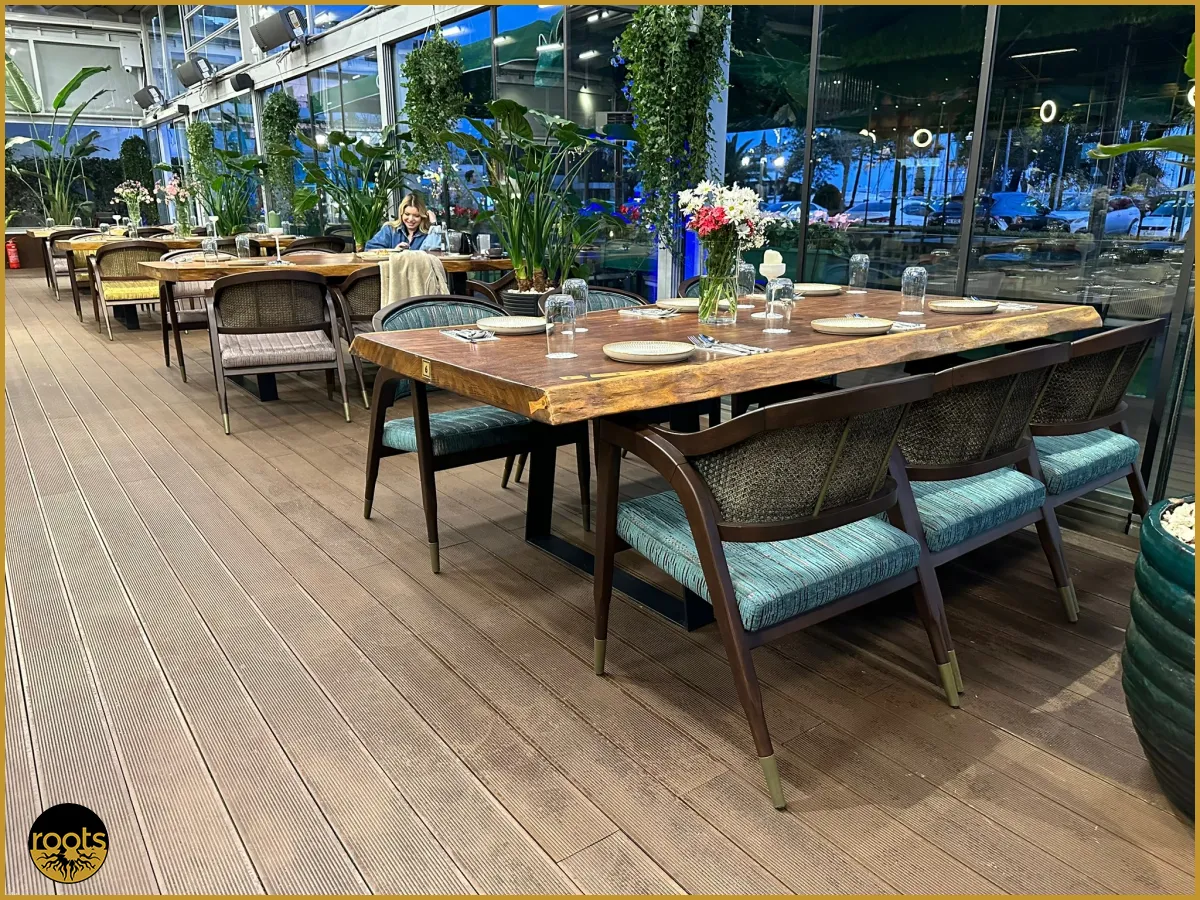
Architectural Restaurant Design: The Key to Creating a Successful Venue
The success of your restaurant is not limited to the flavors you offer. The atmosphere your customers feel from the moment they step into the venue, the aesthetics they see and the comfort they experience are among the cornerstones of leaving a memorable impression. Architectural restaurant design aims to take this experience to the highest level. This process is not only about furniture selection or color arrangement, but also a strategic approach that holistically addresses the flow of the space, its functionality, brand identity and the expectations of your target audience.
What Is Restaurant Design and Why Is It Important?
Restaurant design is a comprehensive process that optimizes both the aesthetic appearance and operational efficiency of a dining venue and enriches the user experience. A well-designed restaurant:
- Increases Customer Appeal: First impressions matter. An eye-pleasing and inviting design attracts the attention of potential customers.
- Improves the Customer Experience: Comfortable seating areas, appropriate lighting, good acoustics and the flow of the space ensure that your guests have a pleasant time.
- Supports Operational Efficiency: Logical planning of the kitchen, service area and seating arrangement allows your staff to work faster and more effectively.
- Strengthens Brand Identity: Design visually reflects your restaurant's concept, values and the flavors it offers, increasing brand awareness.
- Provides a Competitive Advantage: A unique and striking design that stands out from the ordinary sets you apart from your competitors.
What Does Comprehensive Restaurant Interior Design Include?
Restaurant interior designs shape not only visual beauty but also the spirit and functioning of the space. The main elements considered in this process are as follows:
- Concept Development: Determining a theme compatible with your restaurant's type (fine dining, fast casual, bistro, cafe, etc.), target audience and the cuisine it will offer.
- Space Planning (Layout): The most efficient placement of table arrangement, service areas, kitchen access, restrooms, bar area and entrances/exits.
- Lighting Design: Providing the atmosphere and functionality of the space through general lighting, task lighting and accent lighting.
- Color and Material Selection: Selection of durable and aesthetic materials suited to the venue's concept, and determination of color palettes.
- Furniture and Accessory Selection: Selection of comfortable and functional seating groups, tables, chairs and decorative elements.
- Acoustic Arrangement: Creating a comfortable conversation environment by controlling sound echo within the space.
- Accessories and Decoration: Placement of elements such as paintings, plants and artworks that complete the character of the space.
- Brand Integration: Skillful integration of the logo, colors and corporate identity into the space design.
Who Is It Suitable For?
Professional architectural restaurant design and interior solutions are suitable for all business owners who want to meet the following needs:
- Those Opening a New Restaurant: Entrepreneurs who want to create a venue from scratch with the right concept and planning.
- Those Renovating Their Existing Restaurant: Operators who want to modernize their venues that have aged, gone out of fashion or lost functionality.
- Those Who Want to Strengthen Their Brand Identity: Those who want to better reflect their restaurant's concept and values and build customer loyalty.
- Those Aiming to Improve the Customer Experience: Those who want their guests to spend more time in the venue and feel greater satisfaction.
- Those Who Want to Increase Operational Efficiency: Those who want their staff to work more comfortably and to raise service speed and overall business performance.
Which Needs Does It Meet?
Such professional designs meet many critical needs of your business:
- Visual Appeal and Aesthetics: Creates an unforgettable atmosphere that will impress your customers from the very first moment.
- Functionality and Ergonomics: Offers practical and comfortable use for both customers and staff.
- Brand Communication: Tells your restaurant's story, concept and values in a spatial language.
- Customer Satisfaction and Loyalty: A comfortable and pleasant environment encourages repeat visits.
- Optimization of Operational Processes: Strengthens the kitchen-service connection and increases staff efficiency.
- Compliance with Legal Requirements: Offers designs compliant with regulations such as fire safety and disabled access.
In Which Situations Should It Be Preferred?
Professional architectural restaurant design should especially be preferred in the following situations:
- When You Want to Create an Original Concept: When you want to go beyond the ordinary and carry your own signature.
- When You Want to Stand Out in a Highly Competitive Environment: When you want to rise above your competitors and be memorable.
- When You Want to Increase the Efficiency of the Space: When you think the current layout is insufficient or when you are looking for a smoother workflow.
- When You Aim for High Customer Satisfaction: When you want to offer your guests a comfortable, enjoyable and unforgettable experience.
- When You Want to Elevate Your Brand Value: When you want to strengthen the prestige and perception of your restaurant.
- When You Want to Use Your Budget Wisely: When you want to move forward with the right materials and planning that will save costs in the long run.
What Makes It Different from the Alternatives?
Unlike conventional decoration approaches or amateur arrangements, architectural restaurant design:
- Offers a Holistic Approach: It addresses not only aesthetics but also all elements such as functionality, brand identity, operational efficiency and customer experience together.
- Maximizes the Potential of the Space: By making the best use of the physical characteristics of the space, it makes even unused areas functional.
- Produces Long-Term Solutions: It offers long-lasting solutions not only based on momentary trends but with durable materials and timeless designs.
- Offers a Professional Perspective: Professionals who master architectural and interior architectural principles evaluate the potential of the space in the best possible way.
- Ensures Brand Consistency: It helps create a consistent brand experience at all touchpoints of the restaurant (from the menu to the staff, from the ambiance to visibility).
- Optimizes the Return on Investment: Good design accelerates the return on investment by increasing the number of customers and the average spend.
Material Selection: Durability, Area of Use and Cost
In restaurant designs, material selection is of critical importance in terms of both aesthetic appearance and longevity. A table comparing the characteristics of different material types:
| Material Type | Durability | Indoor Use | Outdoor Use | Average Cost (Relative) | Features / Notes |
|---|---|---|---|---|---|
| Wood (Solid/MDF/Veneer) | Medium - High (depending on type) | Very High (furniture, flooring, wall cladding) | Low (requires special treatments) | Medium - High | Offers a natural and warm appearance. May require maintenance. |
| Natural Stone (Marble, Granite, etc.) | High | High (countertop, flooring, wall) | Medium - High | High | Gives a luxurious and prestigious appearance. Due to its porous structure, it can stain (reduced after treatment). |
| Ceramic/Porcelain Tile | High | Very High (flooring, wall) | High (outdoor series) | Low - Medium | Wide range of patterns and colors, easy to clean, water-resistant. |
| Concrete (Decorative) | High | High (countertop, flooring, wall) | Medium | Medium | Offers an industrial and modern appearance. Requires protection due to its porous structure. |
| Metal (Stainless Steel, Iron, etc.) | High | High (furniture, lighting, decor) | Medium - High (with suitable coating) | Medium - High | Suitable for industrial, modern or rustic styles. Resistance to corrosion is important. |
| Glass | Medium (sensitive to impact) | High (tabletop, partition, lighting) | Low - Medium (with special coating) | Medium | Makes the space look more spacious. Safety glass should be preferred. |
| Fabric/Leather (Upholstery) | Medium - High (depending on type) | Very High (sofa, chair) | Low | Medium - High | Provides comfort and aesthetics. Stain-resistant, stain-removable and wear-resistant types should be preferred. |
Things to Consider Before Purchasing
There are some important points to consider before deciding to receive a professional restaurant design service and throughout this process:
- Define a Clear Concept: Clarify who you want your restaurant to be, which cuisine it will offer, and who your target audience is.
- Determine Your Budget: Create a detailed budget for design, materials, implementation and possible renovations. This also helps the designer offer solutions suitable for you.
- Review References: Evaluate the designer's or company's style and area of expertise by reviewing their previous projects.
- Communicate Openly with Your Designer: Clearly express your requests, expectations and concerns. Listen to the designer's vision and suggestions.
- Do Not Compromise on Functionality: Do not focus only on aesthetic appearance. Remember that the operational efficiency of the space, the comfort of your staff and the customer experience should be priorities.
- Pay Attention to Material Quality: Especially in heavily used areas (countertops, floors, seating groups), choosing durable and easy-to-clean materials provides savings in the long term.
- Inquire About Regulatory Compliance: Make sure the design complies with all legal requirements such as fire safety, hygiene standards and disabled access.
- Ask About Lighting and Acoustic Details: These two elements are the factors that most affect the atmosphere of the space. Get information about a detailed lighting plan and sound insulation solutions.
- Do Not Overlook Technological Integration: It is important that technological needs such as ordering systems, audio and video systems are considered during the design phase.
Important Notes:
- Design is an investment. Consider long-term value and return rather than short-term cost.
- Working with a reliable and experienced designer or team is critical to the success of the project.
- Ensuring that the design is compatible with your restaurant's overall brand strategy helps you create a holistic identity.
Frequently Asked Questions (FAQ)
The project duration varies greatly depending on the size of the restaurant, the complexity of the concept, its current condition (is it a construction from scratch or a renovation of an existing space?) and the approval processes. Generally, the concept development, architectural drawings, material selection and implementation phases can take from a few months to a year in total. For detailed planning, it is best to consult with the designer.
Costs depend on many factors such as the size of the space, the quality of the selected materials, the originality of the furniture and accessories, the complexity of the lighting system, the integration of kitchen equipment and the scope of professional consultancy services. A good designer can offer rational solutions that fit your budget.
To modernize an existing restaurant, first the current state is analyzed. Then, steps such as updating the concept, improving the lighting system, changing the furniture and colors, and renewing the floor and wall coverings can be taken. Sometimes even small touches can bring a fresh breath to the space.
Following trends can give your restaurant a modern feel and attract the interest of your target audience. However, rather than being completely carried away by trends, choosing trends blended with timeless elements that are compatible with your restaurant's long-term identity and concept will be a more sustainable approach. Designs that are overly trend-focused may become outdated over time.
Although working with a professional designer is not mandatory, it significantly increases your chances of success. With their aesthetic knowledge, technical expertise, market knowledge and project management skills, designers bring out the potential of your space in the best way, prevent possible mistakes and help you get the return on your investment.
A professional architectural restaurant design process will be one of your strongest steps on the path to success in turning the atmosphere you dream of for your restaurant into reality and offering your guests unforgettable experiences.











































































