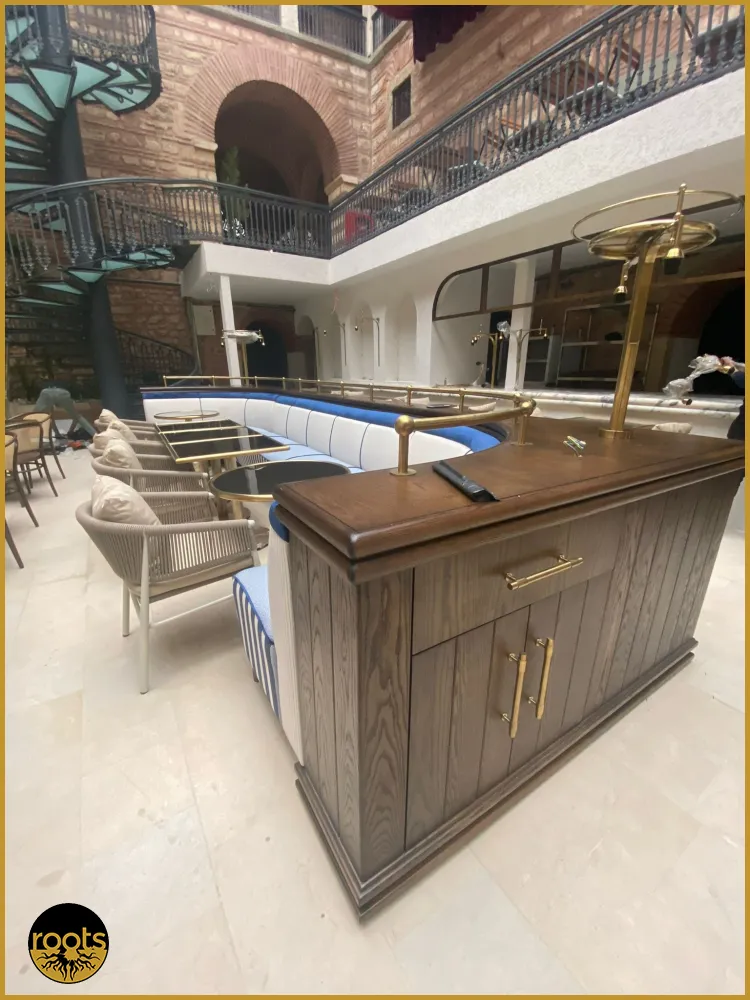
Architectural Restaurant Design: Unlock Your Space's Potential
In your restaurant's success, the atmosphere plays a critical role alongside the flavors you offer. A space's architectural design and interior layout influence every moment of customers' experience, starting from their first impression. Architectural restaurant design is not merely an aesthetic concern; it is also a comprehensive process that brings together elements such as functionality, customer comfort and operational efficiency.
What Does Restaurant Design Do?
Effective restaurant design reflects your brand's identity, appeals to your target audience, increases customer satisfaction and therefore raises revenue potential. A well-thought-out space makes your guests comfortable, encourages them to visit for longer and leverages the power of word-of-mouth marketing through positive feedback.
Who Is It Suitable For?
These services appeal to a broad audience, from entrepreneurs planning to open a new restaurant to business owners who want to renovate their existing spaces or change their concepts. Whether it is a small cafe, a luxury fine-dining restaurant, a dynamic bar or a fast-casual concept, every type of business can benefit from professional design.
Which Needs Does It Meet?
Architectural restaurant design focuses on meeting the following core needs:
- Reflecting Brand Identity: The space visually communicating the values and mission your restaurant promises.
- Functional Space Planning: Placing the kitchen, service areas, seating arrangements, restrooms and entrance in the most efficient way.
- Improving Customer Experience: Making guests feel special through comfortable seating areas, effective lighting, appropriate acoustics and overall atmosphere.
- Operational Efficiency: Creating a layout where staff can move comfortably and service flow is uninterrupted.
- Compliance with Legal and Safety Standards: Meeting mandatory requirements such as fire regulations, disabled access and hygiene standards.
- Cost Management: Offering the best aesthetic and functional solutions within budget.
In Which Situations Should It Be Preferred?
Professional restaurant design is especially necessary in the following situations:
- Opening a New Restaurant: To lay the right foundations from the start and gain a competitive advantage.
- Renovating an Existing Space: To modernize spaces that are aging, outdated or low in efficiency.
- Concept Change: Rearranging the space to target a different audience or cuisine.
- Gaining Competitive Advantage: To create an attention-grabbing space that stands out from other restaurants nearby.
- Increasing or Rearranging Capacity: To host more guests by using the existing area better or to offer different seating options.
How Does It Differ from Alternatives?
Unlike designs you do yourself or amateur approaches, professional architectural restaurant design offers the following:
- Expertise and Experience: A professional perspective that understands the industry's dynamics, current trends and user behavior.
- Comprehensive Planning: Consideration of technical details (electrical, plumbing, ventilation) and legal requirements alongside aesthetics.
- Customer Focus: Designing an unforgettable experience by deeply analyzing your target audience's expectations and needs.
- Cost Efficiency: Preventing additional costs that could arise from wrong material choices or functional errors.
- Creativity and Innovation: Making the space unique and memorable by going beyond the ordinary.
Material Types Used in Restaurant Design and Their Comparison
The choice of materials used in restaurant design directly affects the space's overall atmosphere, durability and ease of maintenance. The following table compares some commonly used material types:
| Material Type | Durability | Area of Use (Indoor/Outdoor) | Average Cost (Relative) | Advantages | Disadvantages |
|---|---|---|---|---|---|
| Natural Stone (Granite, Marble) | Very High | Indoor and Outdoor | High | Aesthetic, Prestigious, Easy to Clean, Long-Lasting | Heavy, Difficult to Install, Can Be Scratched (Some Types), Expensive |
| Ceramic and Porcelain Tile | High | Indoor and Outdoor | Medium | Various Patterns and Colors, Resistant to Water and Stains, Easy Maintenance | Fragility (If Impacted), Can Be Slippery on Floors (Pay Attention to Selection) |
| Wood (Solid, Veneer) | Medium - High (Depending on Use) | Mainly Indoor (Requires Special Treatment for Outdoor) | Medium - High | Warm and Natural Atmosphere, Aesthetic Variety | Sensitive to Moisture and Fire, Can Be Scratched, May Require Regular Maintenance |
| Concrete and Micro-concrete | High | Indoor and Outdoor | Medium | Modern and Industrial Look, Durable, Easy to Shape | Can Be Porous (May Stain), May Require Insulation |
| Metal (Stainless Steel, Iron) | High | Indoor and Outdoor | Medium - High | Durable, Hygienic (Stainless Steel), Industrial and Modern Design | Can Be Scratched, May Leave Fingerprints (Some Types), Cold Appearance |
| Composite Materials | High | Indoor and Outdoor | Medium | Lightweight, Durable, Resistant to Water and Weather Conditions, Various Designs | Some Types May Be Sensitive to UV Rays, Aesthetics May Not Be as Attractive as Natural Materials |
Things to Consider Before Purchasing
Paying attention to the following points before receiving an architectural restaurant design service will help you make the right decision:
- Review References: Evaluate the designer's or company's style, quality and customer satisfaction by examining their previous restaurant projects.
- Determine Your Budget: Set a clear budget covering design, material, construction and decoration costs, and create a strategy to stick to this budget.
- Define Your Needs: Clearly set out your basic requirements such as the capacity of the space, your target audience, your kitchen concept and the atmosphere you want.
- Communication and Clarity: Make sure you can establish open and transparent communication with the designer. Make sure they understand your vision and can produce solutions that meet your expectations.
- Question the Technical Details: Learn about the designer's knowledge and approach regarding the technical infrastructure of the space (ventilation, electricity, water), material selection and legal compliance.
- Contract Details: Make a clear contract on matters such as the scope of service, payment plan, delivery dates and how possible changes will be managed.
Frequently Asked Questions (FAQ)
1. Concept Development and Needs Analysis: The vision of the venue, target audience, menu and budget are determined.
2. Space Planning (Layout Plan): Functional areas (kitchen, service, seating, etc.) are determined.
3. Draft Design and 3D Modeling: The overall look, materials and color palette are created.
4. Detailed Design and Projecting: Technical drawings, material lists and implementation projects are prepared.
5. Implementation Follow-Up: Supervision of the construction and decoration process for compliance with the design.











































































