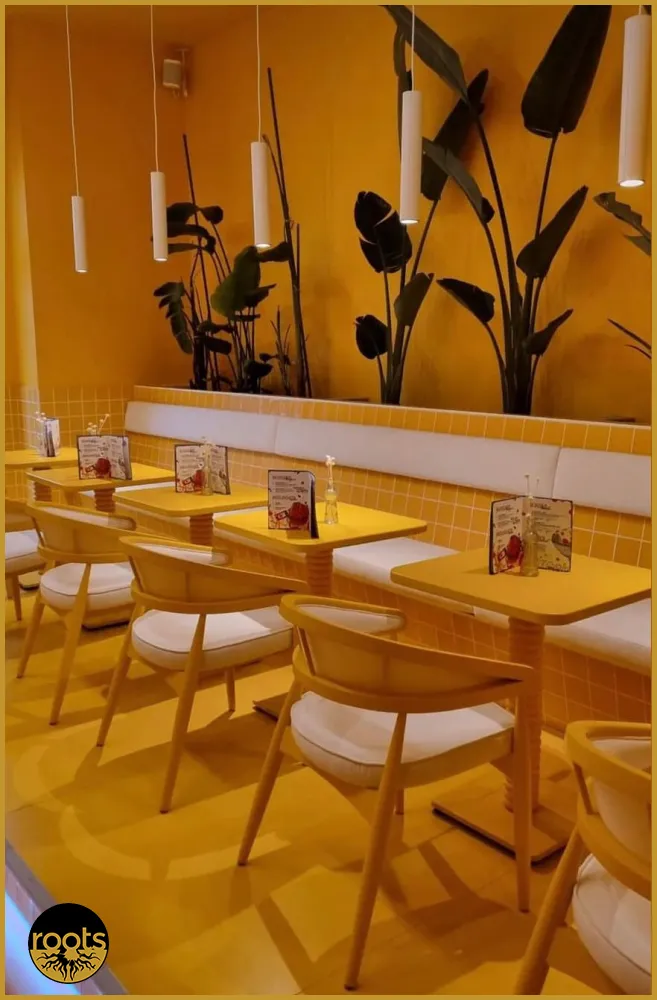
Restaurant Design Elements That Create the Identity of a Space
The success of a restaurant is directly related to the experience it offers its guests, beyond the flavors it serves. Architectural restaurant design is not only an aesthetic concern but also a strategic process that determines the operational efficiency and brand value of the business. A well-structured interior ensures that the customer feels comfortable from the moment they walk through the door, builds a connection with the space, and therefore becomes a loyal visitor.
The main purpose in interior designs is to establish a flawless balance between kitchen operations, service flow and customer seating areas. In this process, every detail, from the color palettes used to the lighting angles, from furniture ergonomics to acoustic arrangements, is a part of the total user experience.
Professional design optimizes circulation while minimizing dead areas in the space. It increases service speed by regulating the traffic between kitchen and service staff and offers a layout plan where customers can spend time without disturbing each other.
Functionality and Aesthetics in Restaurant Interior Designs
Restaurant designs vary according to the target audience and the type of service of the business. While dim lights and heavy materials used in a fine-dining restaurant aim to keep the customer in the space for a long time; in fast-casual concepts, more vivid colors and practical furniture are preferred to accelerate circulation.
Which Needs Does It Meet? Architectural design not only offers visuality but also integrates technical obligations such as kitchen layout in accordance with legal regulations, fire safety, ventilation capacity and disabled access into the project. This enables the business owner to eliminate technical problems and extra costs that may be encountered in the future in advance.
Material Selection and Durability Analysis
Restaurants are areas of intensive use. For this reason, the materials preferred must both meet the aesthetic expectation and comply with cleaning and durability standards. The following table presents a comparison of commonly used material types across different axes:
| Material Type | Area of Use | Durability | Cost Level | Maintenance Need |
|---|---|---|---|---|
| Natural Wood | Floor, Furniture, Panel | Medium | High | Regular maintenance required |
| Industrial Concrete / Microcement | Floor, Wall | Very High | Medium | Low |
| Marble and Natural Stone | Bar Counter, Entrance | High | Very High | Sensitive cleaning |
| Composite Panels | Exterior Facade, Decor | High | Medium | Low |
| Metal and Steel Details | Frame, Accessory | Very High | Medium - High | Minimal |
Points to Consider Before Purchasing and Projecting
Before starting to work with an architectural office or purchasing a design concept, you should consider the following points:
- Target Audience Analysis: Is the design of the space suitable for the habits and expectations of the target audience?
- Circulation Planning: Do waiter paths and customer passages intersect?
- Acoustic Design: Are sound-absorbing panels or suitable textile products planned to prevent humming in a full restaurant?
- Lighting Layers: Is a balance established between general lighting, task lighting and accent lighting?
- Budget Management: Have sustainable and locally supplyable materials been selected that will not increase costs during the implementation phase?
How It Differs from Alternative Design Approaches
The biggest difference between a simple decoration service and a comprehensive architectural restaurant design is "infrastructure integration." In the architectural approach, elements such as concealing ventilation ducts, the slope of drain lines in the kitchen, and lighting automation are treated as part of the design. Approaches that focus only on decoration often overlook these technical details, which can lead to problems requiring renovation during the business's operations.
Frequently Asked Questions
Depending on the size of the space and the complexity of the concept, the project design phase generally takes 2 to 6 weeks, while the implementation process takes 2 to 4 months.
The quality of the selected materials, the need for custom-made furniture, the condition of the space's existing infrastructure, and the intensity of technological systems (smart lighting, professional sound system) directly affect the cost.
To create a sense of depth in small spaces, mirrors, light color palettes, and vertical storage areas are preferred. By using modular furniture, the space is used flexibly at different times.
Kitchen design is the heart of the project. The design of the dining area should not be completed before the workflow chart (receiving, storage, preparation, cooking, and dishwashing) is determined.
In conclusion, architectural restaurant design ensures that a business not only looks "beautiful" but also operates efficiently and becomes a profitable investment. Spaces built with a professional approach strengthen the brand image and set the business one step ahead in the highly competitive world of gastronomy.











































































