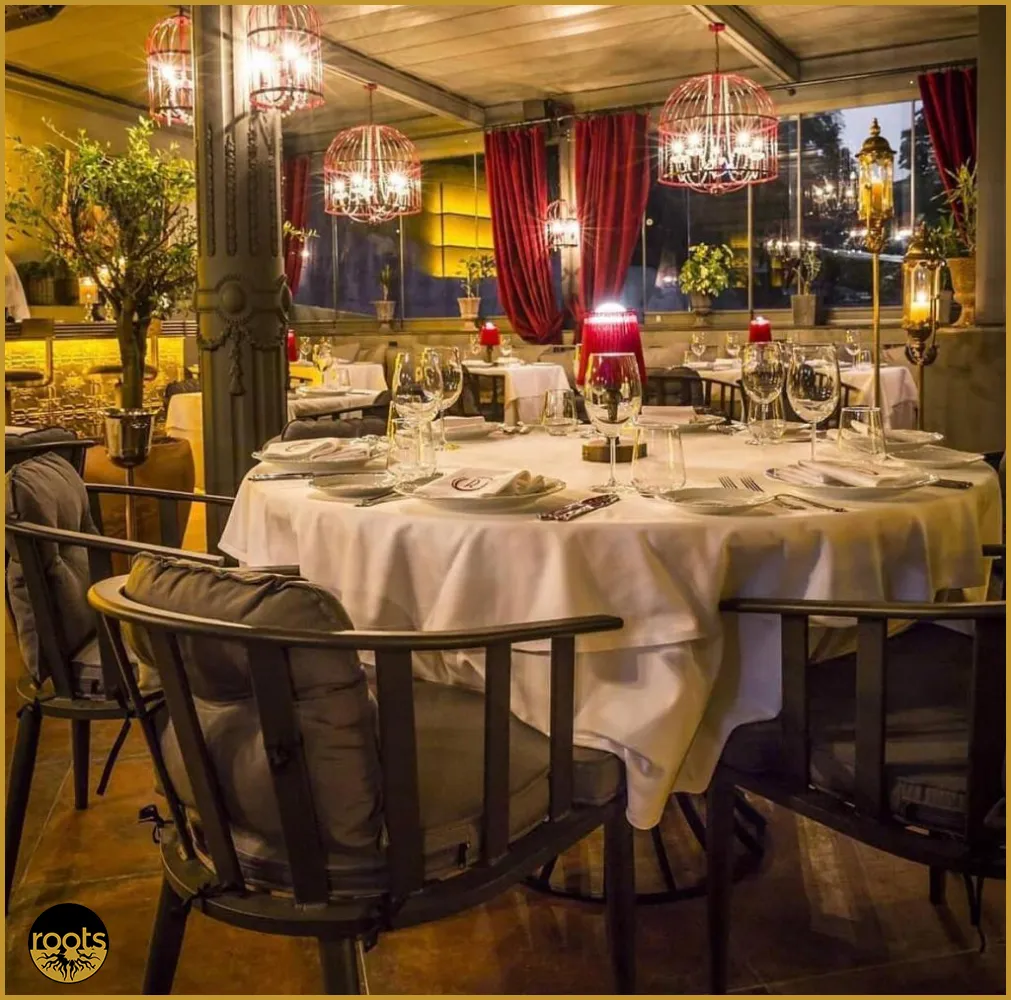
Strategic Approaches in Restaurant Interior Designs
The success of a restaurant is directly related not only to the quality of the dishes served but also to the atmosphere in which guests find themselves. Architectural restaurant design, beyond an aesthetic concern, is an engineering and art discipline that optimizes operational efficiency and customer comfort. A properly planned space ensures that the customer feels safe and special from the moment they enter the door.
Why Is Architectural Restaurant Design Necessary?
Professional interior design transforms the identity of the business into a physical form. This process is not just furniture selection; it is the calculation of light management, acoustic balance, air circulation and service flow down to the finest detail. Good design meets the following basic needs:
- Operational Speed: Properly structuring the distance between the kitchen and the service area increases staff efficiency.
- Brand Identity: Design reflects the character of the cuisine you offer (fine-dining, fast-food, cafe, etc.).
- Customer Loyalty: Ergonomic furniture and correct lighting ensure that customers stay longer in the space and come back.
- Regulatory Compliance: Fire regulations, disabled access and hygiene standards are guaranteed with a professional architectural project.
Material Selection and Durability in the Design Process
Restaurants are commercial areas with heavy human traffic. Therefore, the materials selected must be both aesthetic and highly durable. Every choice, from floor coverings to wall textures, affects the long-term maintenance costs of the business.
| Material Type | Durability | Area of Use | Cost Scale |
|---|---|---|---|
| Natural Stone (Marble/Granite) | Very High | Floors and Counters | High |
| Industrial Epoxy | High | Kitchens and Modern Dining Halls | Medium |
| Solid Wood | Medium (Requires Maintenance) | Furniture and Ceiling Details | High |
| Ceramic/Porcelain | High | Wet Areas and Floors | Low - Medium |
| Metal Alloys | Very High | Exterior Facade and Decorative Details | Medium |
Points to Consider Before Purchasing and Implementation
Considering the following points before receiving a design service or starting the implementation process ensures that you get the return on your investment:
- Target Audience Analysis: Who will the space appeal to? More dynamic and colorful designs should be preferred for a young audience, while heavier and quieter designs should be preferred for business meals.
- Lighting Strategy: Day and evening modes should be different. Correct lighting directly affects the color of the food and the appetite.
- Acoustic Solutions: The hum and noise pollution in the space is the factor that most reduces customer satisfaction. Sound-absorbing panels or fabric choices are critical at this point.
- Kitchen and Storage: Interior design should cover not only the customer area but also the ergonomics of the kitchen.
Frequently Asked Questions
Question 1: How should color selection be in restaurant design?
Answer: Colors have psychological effects. For example, while warm tones such as red and orange have appetite-stimulating properties, blue tones can be more calming and appetite-suppressing. A color palette suitable for your concept should be determined.
Question 2: How long does it take to renovate an existing restaurant?
Answer: This depends on the size of the space and the depth of the intervention to be made. While only decorative changes take a few weeks, plumbing and structural changes can take between 2-4 months.
Question 3: What kind of design approach should be followed in small spaces?
Answer: In small spaces, a perception of spaciousness should be created by preferring mirrors, light colors and modular furniture. Vertical storage and multi-purpose furniture increase space efficiency.
What Is Its Difference from Alternative Designs?
A professional architectural restaurant design differs from standard decoration practices through "functionality." While ordinary decoration only targets the visual, architectural design addresses customer traffic, ventilation capacity, staff circulation paths and energy savings as a whole. This ensures that the business not only looks good but also operates profitably.
Especially in outdoor uses, technical details such as material selection suitable for seasonal conditions and retractable ceiling systems allow the space to be used efficiently 365 days a year. Before investment, harmonizing the technical infrastructure of the space with aesthetic expectations is of vital importance.











































































