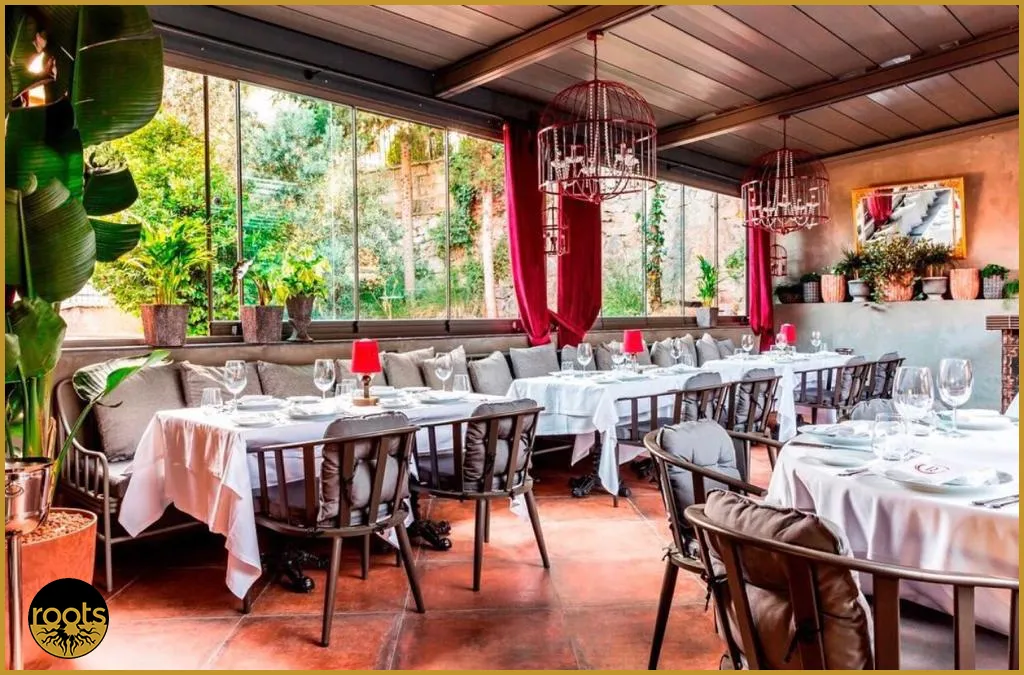
Architectural Restaurant Design: Create the Soul of Your Space
In the success of a restaurant, the atmosphere and aesthetics of the space play a critical role as much as delicious food. Architectural restaurant design is not only about drawing four walls, but also about telling a story that will offer your guests an unforgettable experience. The right interior design strengthens the concept of the space, increases customer satisfaction and elevates the brand value of your business. This comprehensive guide has been prepared to support your decision-making process while bringing your restaurant to life or renovating it.
What Are the Main Benefits of Restaurant Design?
Effective restaurant design positively affects many aspects of your business:
- Customer Experience: A comfortable, aesthetic and functional space ensures that your guests stay longer and have an enjoyable time.
- Brand Identity: Your design should reflect the concept of your restaurant, its target audience and the value it offers. Creating a unique identity sets you apart from your competitors.
- Operational Efficiency: Smart planning of the kitchen, service area and customer seating arrangement allows your staff to work more efficiently.
- Profit Increase: A well-designed space can directly affect your revenue by attracting more customers and increasing the time spent per customer.
- Social Media Impact: Visually appealing spaces are shared by customers on social media, which provides free marketing.
Who Are These Design Services Suitable For?
They are suitable for anyone who is considering opening a restaurant, cafe, bistro, bar, hotel restaurant or any gastronomy business, or who wants to renovate their existing space.
- Entrepreneurs developing a new restaurant concept.
- Operators who want to modernize the concept of their existing restaurant.
- Those who want to increase the operational efficiency of their space.
- Those aiming to strengthen customer satisfaction and brand loyalty.
- Professionals who want to make a difference in the gastronomy sector.
Which Needs Does It Meet?
Restaurant design meets the physical and emotional needs of a space:
- Functionality: Designing all areas, from kitchen preparation areas to service routes, from restrooms to seating arrangement, in a way that is fit for purpose and flows smoothly.
- Aesthetics: Visual appeal covering the overall ambiance of the space, its color palette, furniture selections and decorative elements.
- Comfort: Elements such as guests' seating comfort, lighting that does not strain the eyes, and acoustic arrangement to prevent sound clutter.
- Safety and Hygiene: Selection of materials compliant with food safety standards, easily cleanable surfaces and planning of emergency exits.
- Customer Communication: Supporting operational processes such as waiters' access to tables and ease of order flow.
In Which Situations Is Professional Support Needed?
Receiving professional architectural or interior architectural support is especially important in the following situations:
- Concept Uncertainty: When there is no clear idea about which style the space will appeal to and which target audience it will address.
- Spatial Constraints: When a small or unusually shaped space needs to be used in the most efficient way.
- Legal Regulations: When guidance is needed on matters such as structural changes, licensing processes or accessibility standards.
- Budget Optimization: When the best result is desired with the right material and application choices, without compromising aesthetics and without exceeding the budget.
- Branding Strategy: When the goal is to create a memorable space that strongly reflects the identity of the restaurant.
In What Ways Does It Differ from Alternatives?
There are various approaches to restaurant design. Professional architectural and interior architectural services go beyond personal initiatives or standard solutions:
- Personal Approach: Arrangements you make according to your own taste may disregard sector experience and functional requirements.
- Ready-Made Design Packages: Standard templates may not meet the unique characteristics of your space and the expectations of your target audience.
- Professional Services: Experienced architects and interior architects reveal the potential of the space, bring together functionality and aesthetics, and take current trends and legal requirements into consideration. By combining technical knowledge and creativity, they contribute to the long-term success of your business.
Material Selection in Restaurant Design: Durability, Aesthetics and Cost
The materials used in restaurant spaces are of great importance in terms of both aesthetic appearance and longevity. The prominent features of different material types are as follows:
| Material Type | Durability | Indoor Use | Outdoor Use | Average Cost (Relative) |
|---|---|---|---|---|
| Natural Stone (Marble, Granite) | Very High | High (Floor, Countertop, Wall Cladding) | High (May require special treatment) | High |
| Wood | Medium-High (Depending on type and processing) | Very High (Floor, Furniture, Wall Panels) | Medium (Requires protection) | Medium-High |
| Ceramic and Porcelain Tile | High | Very High (Floor, Wall) | High (Frost-resistant ones) | Medium |
| Concrete and Microcement | Very High | Very High (Floor, Wall, Countertop) | High | Low-Medium |
| Metal (Stainless Steel, Iron) | Very High | High (Furniture, Lighting, Decoration) | Medium-High (Precaution against corrosion) | Medium-High |
| Glass | Medium (Fragility) | High (Tabletop, Partition, Decoration) | Medium (Tempered glass preferred) | Medium |
Points to Consider Before Purchasing (or Project Planning)
Paying attention to the following points when starting your restaurant design project will ensure the process is smoother and more successful:
- Current Condition of the Space: Examining technical details such as the physical condition of the building, its structural systems, and infrastructure installations.
- Target Audience Analysis: Understanding who your restaurant will appeal to, their expectations, and their lifestyles.
- Concept Clarity: Determining the type of food/beverage to be offered, service quality, and the desired atmosphere.
- Budget Planning: Creating a realistic budget for design, materials, construction, and decoration.
- Compliance with Regulations: Being informed about building codes set by local authorities, health and safety standards, and accessibility regulations.
- Communication and Collaboration: Establishing open and transparent communication with the design team and clearly expressing your expectations.
- Marketing and Branding: Ensuring the design is compatible with your restaurant's marketing strategy.
Frequently Asked Questions
How long does the restaurant interior design process take?
The design duration varies depending on the size of the space, the complexity of the concept, and the details of the project. On average, concept development, detailed drawings, and preparation of projects can take from a few weeks to a few months.
Do I absolutely have to work with an architect for restaurant design?
Although there are no legal obligations, working with a professional architect or interior designer ensures that your space is both aesthetically appealing and functionally flawless. Thanks to their experience, they foresee potential problems in advance and help you use your budget more efficiently.
What is the importance of lighting in restaurant design?
Lighting is one of the elements that most affect the atmosphere of a space. Proper lighting enhances the warmth, spaciousness, and aesthetics of the space. Both general lighting and accent lighting are critical for guest comfort and food presentation.
What should I pay attention to when renovating an existing restaurant?
The condition of the existing structure, infrastructure installations, the overall state of the decoration, and target audience expectations should be taken into consideration. In a renovation project, it is important to achieve modernization while preserving the spirit of the space. Functional improvements should be combined with a contemporary aesthetic approach.
Is sustainability important in restaurant design?
Yes, sustainability is very important today. Steps such as using energy-efficient lighting systems, recycled or eco-friendly materials, and preferring water-saving fixtures both reduce environmental impact and can lower operating costs in the long term.











































































