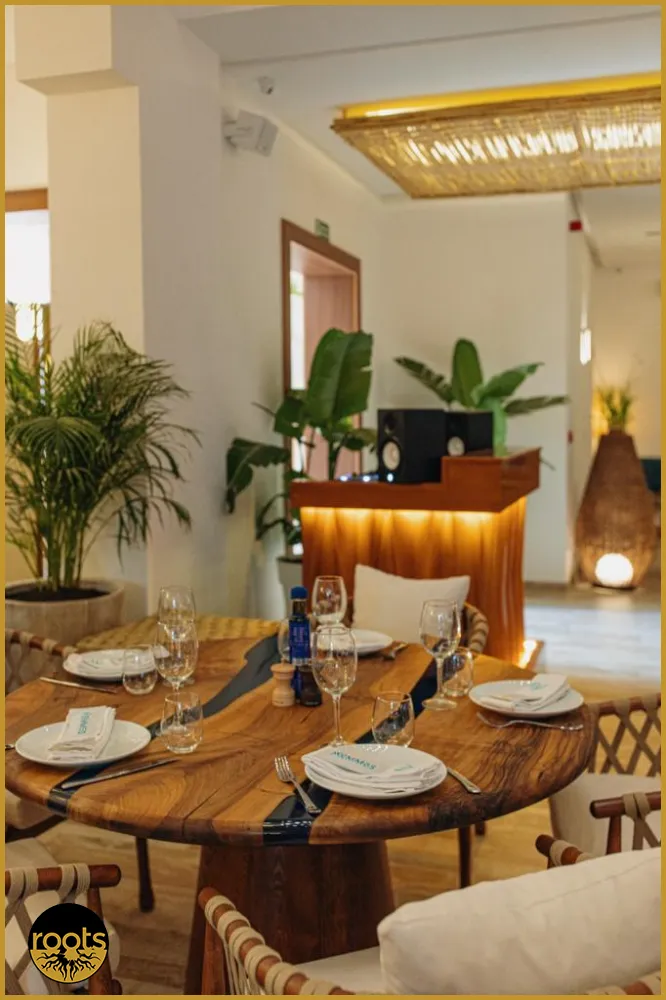
Architectural Restaurant Design: Transform Your Space
The right architectural design and impressive interior arrangements play a critical role in your restaurant's success. Customers choose your venue not only for delicious food but also for a pleasant atmosphere and an unforgettable experience. Architectural restaurant design is a comprehensive process that shapes this experience from start to finish, bringing together both aesthetic concerns and functional requirements. In this content, you can find all the details to help you find the most suitable architectural solutions for your restaurant.
What Is Restaurant Design and Why Is It Important?
Restaurant design is the process of planning, organizing and decorating the physical environment of a dining venue. This process is carried out in a way that reflects the venue's aesthetic appearance, customer comfort, employee efficiency and brand identity. A well-designed restaurant is an important factor in customers choosing the venue, staying longer and visiting again.
- First Impression: The exterior appearance and entrance area of the venue create the first impression on customers.
- Creating Atmosphere: Lighting, colors, furniture and decorative elements determine the desired atmosphere.
- Customer Experience: Comfortable seating arrangements, easy movement areas and functional table layouts improve the overall experience.
- Functionality: The arrangement of the kitchen, service areas and restrooms increases operational efficiency.
- Brand Identity: The design should be compatible with the restaurant's concept and target audience.
Restaurant Interior Designs: Success Hidden in the Details
The interior of the restaurant is the area where customers will spend the most time. Therefore, interior designs should consider both visual appeal and practical use. The correct use of lighting, material selection, color palette, furniture arrangements and acoustics makes the venue unforgettable.
Lighting: Lighting is one of the elements that most affect the atmosphere of the venue. General lighting, task lighting (tables, bar) and accent lighting (decorative objects) should be used in a balanced way. Making maximum use of daylight is also important.
Material Selection: Durability, ease of maintenance and aesthetic appearance are the priority criteria in material selection. From floor coverings to wall coverings, from table and chair materials to every detail, each element determines the overall character of the venue.
Color Palette: Colors directly affect emotions and perceptions. While warm colors create an inviting atmosphere, cool colors can give a calmer and more sophisticated feel. Choosing colors suitable for the restaurant's concept is critical.
Acoustics: Noise level can negatively affect customer comfort. Sound insulation and the correct use of acoustic materials provide a comfortable environment for listening and conversation.
Who Is It Suitable For? Which Needs Does It Meet?
Architectural restaurant design and interior arrangements are suitable for all types of restaurant businesses. Whether you are opening a new venue or want to renovate your existing venue, a professional design process:
- Those Opening a New Restaurant: Those who want to create a venue that reflects brand identity, appeals to its target audience and is operationally efficient.
- Those Who Want to Renovate Their Existing Venue: Those who want to increase customer satisfaction, gain a more modern look or improve functionality.
- Those with a Specific Concept: Those who want to create a thematic atmosphere suitable for specific concepts such as Italian, Asian or French cuisine.
- Those Who Want to Increase Efficiency: Those who want to optimize customer flow, organize staff work areas and eliminate operational disruptions.
- Those Arranging a Rented Venue: Those looking for solutions that make the best use of the existing structure, optimize rental costs and make it attractive.
This process meets basic needs such as strengthening the venue's brand identity, increasing customer loyalty, maximizing the venue's functionality and generally increasing sales.
In Which Situations Should It Be Preferred?
Professional architectural restaurant design and interior arrangement should definitely be preferred in the following situations:
- Differentiating in Competition: When you want to stand out from your competitors and offer a striking venue.
- Elevating the Customer Experience: When you aim to offer your guests a comfortable, enjoyable and memorable experience.
- Increasing Venue Capacity: When you want to serve more customers by using the existing space more efficiently.
- Solving Operational Problems: In order to eliminate issues in the kitchen, service or customer flow.
- Renewing the Energy of the Venue: When you want to modernize an old and worn-out venue and make it more vibrant and inviting.
- Focusing on a Specific Theme: To create an atmosphere fully in harmony with the cuisine or concept your venue will offer.
Material Selection: Durability, Aesthetics and Cost
In restaurant design, material selection is of great importance in terms of both durability and aesthetics. The advantages and disadvantages of different materials should be evaluated according to budget and purpose of use. The following table compares some commonly used materials:
| Material Type | Durability | Indoor Use | Outdoor Use | Average Cost (Relative) |
|---|---|---|---|---|
| Natural Stone (Marble, Granite) | Very High | High (Floor, Countertop, Wall) | High (with suitable coating) | High |
| Ceramic/Porcelain Tile | High | Very High (Floor, Wall) | High (exterior facade ceramics) | Medium |
| Wood | Medium-High (with maintenance) | High (Floor, Wall, Furniture) | Medium (species resistant to outdoor weather conditions) | Medium-High |
| Concrete/Micro Concrete | Very High | Very High (Floor, Wall, Countertop) | High | Medium |
| Metal (Stainless Steel, Iron) | Very High | High (Decoration, Furniture, Lighting) | High (with coating) | Medium-High |
| Decorative Plaster/Paints | Medium | Very High (Wall) | Low (except special exterior products) | Low-Medium |
Aspects That Differentiate from Alternatives
A professional architectural restaurant design not only offers an aesthetic appearance, but also maximizes the uniqueness and functionality of your venue. Unlike standard solutions or irregular arrangements you would make on your own:
- Customized Solutions: It offers a holistic design tailored to your venue's physical characteristics, your brand identity and your target audience.
- Maximum Space Utilization: It increases your capacity by using even narrow or irregular spaces in the most efficient way.
- Operational Efficiency: It minimizes operational problems by optimizing kitchen, service and customer flow.
- Long-Term Investment: With durable materials and timeless designs, it extends the life of your venue and reduces recurring costs.
- Enhancing Brand Value: With the atmosphere and experience your venue offers, it strengthens your brand awareness and loyalty.
- Legal Compliance: It ensures compliance with relevant regulations and standards.
What Should Be Considered Before Purchasing?
There are some important points you should pay attention to before making a decision about architectural design and interior arrangement for your restaurant:
- Determine Your Budget: Create a clear budget covering design, renovation and furniture costs.
- Define Your Target Audience: Who will your venue appeal to? Factors such as age, income level and lifestyle affect design preferences.
- Clarify Your Concept: The theme of your venue, the type of food offered and the overall atmosphere should form the basis of the design.
- Review References: Examine the designer's previous work, portfolio and customer reviews.
- Communication and Agreement: Establish open and honest communication with the designer or company. Clarify the terms of the agreement, delivery dates and payment plan.
- Space Analysis: Analyze the strengths and weaknesses of the existing space well.
- Technical Requirements: Do not ignore technical details such as the suitability of kitchen equipment, ventilation, electrical and plumbing installations.
Frequently Asked Questions (FAQ)
The architectural design and interior arrangement of your restaurant is one of the most important investments made for the success of your business. With the right planning and professional support, your venue will offer your customers an unforgettable experience while also increasing your operational efficiency.











































































