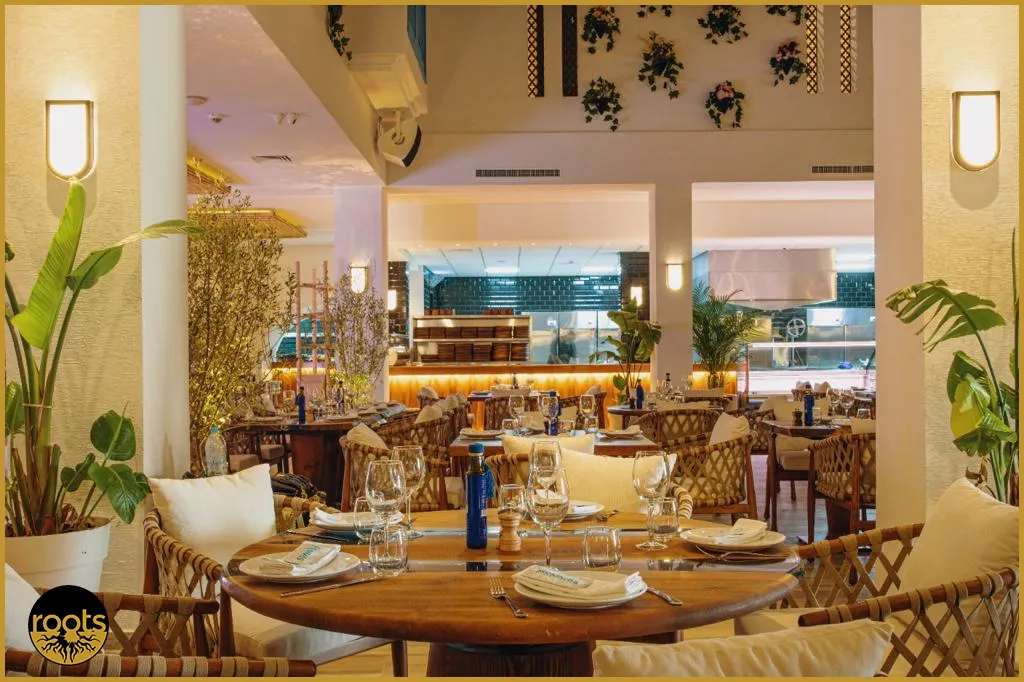
ARCHITECTURAL RESTAURANT DESIGN AND RESTAURANT INTERIOR DESIGNS: The Identity of Your Business
Succeeding in the food and beverage sector requires far more than just serving delicious food. The experience customers have from the moment they step into a venue is as important as, and sometimes even more important than, the taste that lingers on their palate. At this very point, architectural restaurant design and restaurant interior designs come into play. A restaurant is intended to be not just a dining area, but also a place that tells a story, offers an atmosphere and provides a memorable experience.
This content comprehensively addresses, for anyone considering becoming a restaurant owner or wishing to renovate their existing business, what professional design means, what it can add to your business and what you need to pay attention to during this process. Our aim is to guide you in making the right decisions and to help you increase the value of your investment.
What Exactly Is Architectural Restaurant Design?
Architectural restaurant design is a holistic planning process that covers not only the aesthetic appearance of a food and beverage venue, but also its functionality, operational efficiency, customer flow, acoustic arrangements, lighting systems and even kitchen layout. This process shapes every detail, from the exterior facade of the venue to the restrooms, in line with the business's concept, target audience and budget.
On the other hand, restaurant interior designs are the part of this holistic plan that focuses on interior aesthetics and user experience. It refers to bringing together elements such as color palettes, furniture selection, decorative items, floor and wall coverings, and lighting fixtures in a way that reflects the identity and atmosphere of the restaurant. The goal is to create an environment where guests feel comfortable, special and integrated with the brand.
Why Is Professional Restaurant Design Indispensable?
Although getting professional support when designing a restaurant may seem like a cost at the beginning, it provides many advantages for your business in the long run:
- Brand Identity and Concept Integrity: Design visually tells the story and concept of your business. A unique and consistent design increases the memorability of your brand.
- Customer Experience and Satisfaction: A well-designed venue makes customers feel special, increases their comfort and reinforces their desire to return. Properly placed tables, comfortable seating areas and appropriate lighting directly affect customer satisfaction.
- Operational Efficiency and Flow: Harmony between the kitchen and the service area, ergonomic working conditions for staff and proper planning of customer flow increase service quality and reduce operational costs.
- Cost Effectiveness and Budget Control: Professional designers offer the most efficient solutions within your budget, prevent potential mistakes and minimize maintenance and repair costs in the long run.
- Compliance with Legal Regulations: Creating designs in compliance with legal and health regulations such as fire safety, disabled access and hygiene standards prevents potential penalties and business disruptions.
- Visual Appeal and Social Media Impact: An aesthetic venue creates a natural backdrop for social media posts in today's world and contributes to the free promotion of your brand.
- Sustainability and Energy Efficiency: With smart lighting, insulation solutions and environmentally friendly material choices, you can both protect nature and save on operating expenses by reducing energy consumption.
Who Is It Suitable For and What Needs Does It Meet?
Professional restaurant design services are ideal for the following situations and businesses:
- Those Opening a Restaurant from Scratch: Investors who are still at the idea stage or who will open a restaurant in a new location.
- Those Who Want to Renovate Their Existing Business: Restaurant owners who have been operating for a long time and want to keep up with current trends and improve the customer experience.
- Those Undergoing a Concept Change: Businesses that want to transform the spirit of the venue along with a change in menu or target audience.
- Franchise Chains: Chain businesses that want to apply their brand identity and operational standards consistently across different locations.
- Food and Beverage Areas of Hotels and Holiday Resorts: Tourism businesses that want to offer their guests a special experience.
- Those Who Want to Use Their Budget in the Most Efficient Way: Entrepreneurs seeking long-lasting solutions and avoiding unnecessary expenses through proper planning.
What Should Be Considered Before Purchasing?
The critical points you need to focus on before receiving restaurant design services are as follows:
- Clarify Your Concept: What kind of restaurant are you opening? What type of cuisine? Who is your target audience? The answers to these questions will form the foundation of the design.
- Determine Your Budget: Clarify how much budget you can allocate for design, construction, furniture, equipment and decoration. A professional designer will offer you the best solutions within this budget.
- Potential and Constraints of the Location: The physical characteristics of the venue you choose (size, columns, natural light), its surroundings and legal restrictions (zoning status, licensing) directly affect the design process.
- Choosing an Experienced Designer/Firm: It is very important to work with a team that has references in restaurant design, follows industry trends and can communicate well with you. Review their portfolios.
- Functionality-Focused Approach: As much as aesthetics, functional details such as kitchen-service flow, storage areas and staff rest areas should also be given importance.
- Contract and Process Tracking: Make sure that every stage of the design process (preliminary design, implementation projects, material selection, supervision) is defined by a clear contract and that regular communication is established.
Different Material Options and Comparisons in Restaurant Design
The materials used in restaurant design directly affect the atmosphere, durability, cost and maintenance needs of the venue. Here are some popular material types and their features:
| Material Type | Durability | Interior Architecture Usage Area | Exterior Architecture Usage Area | Cost Criterion |
|---|---|---|---|---|
| Natural Stone (Marble, Granite) | Very High | Floor, countertop, wall cladding, bar top | Facade cladding, entrance area, exterior floor | High |
| Wood (Solid, Veneer) | Medium - High (depending on maintenance) | Floor, wall cladding, furniture, bar, ceiling | Exterior facade cladding (specially treated), terrace flooring, outdoor furniture | Medium - High |
| Ceramic/Porcelain | High | Floor, wall, kitchen backsplash | Exterior facade cladding, exterior floor (non-slip feature) | Medium |
| Concrete (Raw, Polished) | Very High | Floor, wall, bar countertop, decorative elements | Facade, floor, outdoor furniture | Medium |
| Metal (Stainless Steel, Brass) | High | Bar countertop, kitchen equipment, decorative details, lighting | Facade details, signage, outdoor furniture | Medium - High |
| Glass | Medium (depending on fragility) | Wall panels, dividers, lighting, display cases | Facade, railing, window | Medium |
| Vinyl Floor Coverings | Medium - High | Floor (kitchen, service areas, dining areas) | Limited (generally interior) | Low - Medium |
Note: Cost criteria may vary depending on the quality of the material, the difficulty of application and regional factors.
What Is the Difference Between Architectural Restaurant Design and Standard Interior Architecture Design?
Although both fields combine aesthetics and functionality, restaurant design has its own unique dynamics. While a standard interior architecture design generally focuses on more personal or individual use areas such as residences or offices, restaurant design is much more complex and multi-layered:
- Target Audience and Experience: Restaurants serve a broad customer base and aim for every visitor to have a shared experience. Home design, on the other hand, is shaped by the personal tastes of family members.
- Operational Flow: Restaurants require areas with different functions such as the kitchen, service, reception and restrooms to integrate seamlessly. This is not of such critical importance in standard interior architecture.
- Legal Regulations: A range of strict legal regulations such as food safety, hygiene standards, fire exits, ventilation and disabled access are mandatory in restaurant design. Such comprehensive regulations are rare in residential or office design.
- Material Selection and Durability: Since restaurants are subject to intensive use, the durability, ease of cleaning and resistance to wear of the materials used are far more important.
- Acoustics and Lighting: In restaurants, correct acoustics (noise control) and lighting (for both atmosphere and functionality) directly affect the customer experience. These details are generally more flexible in standard interior architecture.
Frequently Asked Questions
A restaurant is not just a building, but also a brand and an experience. To maximize this experience and guarantee the sustainable success of your business, getting a professional architectural restaurant design service is one of the most valuable steps you can take. Remember, a well-designed space turns your customers into regular guests.











































































