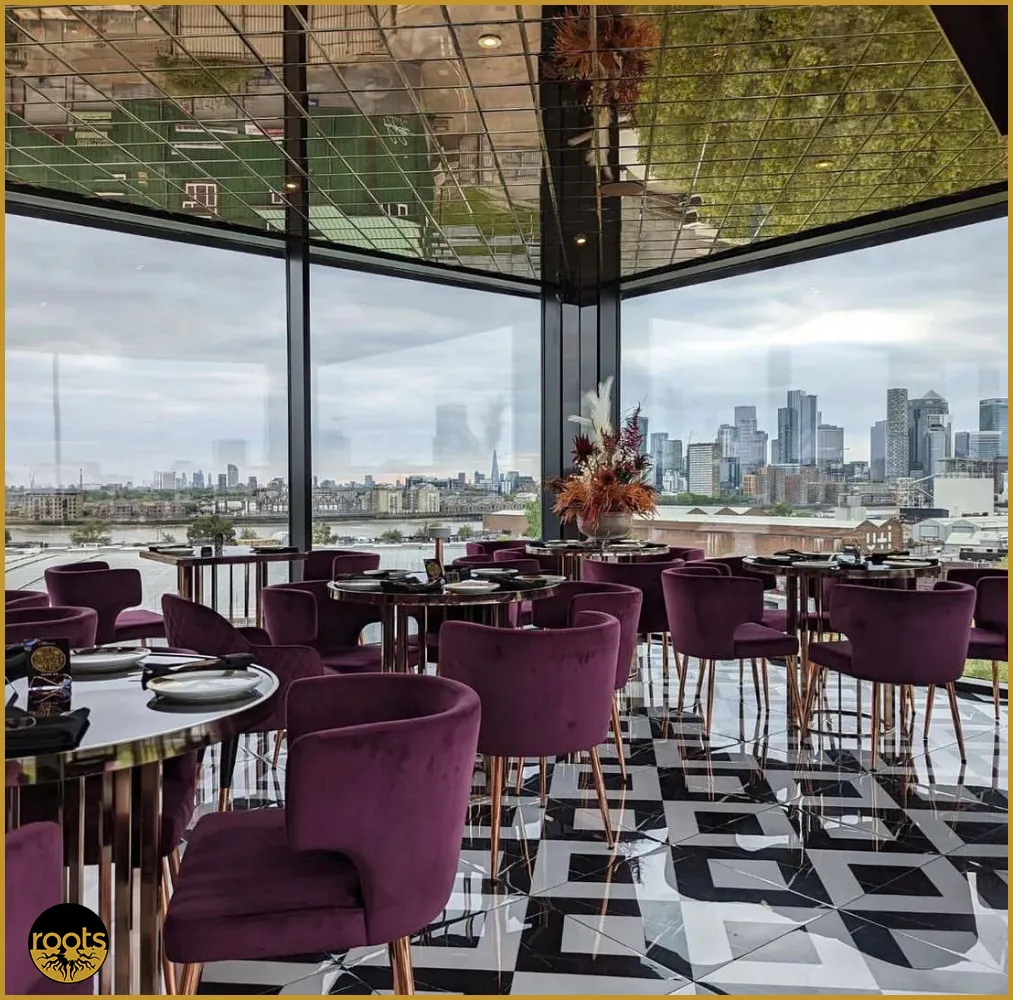
Architectural Furniture Concept in Restaurants and Social Spaces
In the world of gastronomy, the success of a venue is directly related to the atmosphere it creates as much as the flavors it offers. Architectural restaurant furniture is not merely a means of meeting seating needs, but strategic components that reflect the identity of the space, optimize customer comfort and increase operational efficiency. For a professional business, furniture selection should be carefully evaluated within the triangle of aesthetic perception, ergonomics and long-lasting use.
Designs That Meet Business Needs
In a restaurant or cafe project, furniture is shaped according to the circulation plan of the space. A correctly chosen architectural furniture group can make the area appear larger or help create warmer, more intimate corners in large spaces. At this point, not only the appearance of the furniture but also its functional features such as stackability, lightness and ease of cleaning come to the fore.
Restaurant Garden Furniture and Outdoor Requirements
Outdoor areas are an additional source of income and a customer attraction center for restaurants. However, the selection of restaurant garden furniture involves far more technical detail than indoor furniture. Outdoor products must be resistant to direct sunlight (UV rays), rain, humidity and sudden temperature changes.
Ensuring that the materials used in garden furniture do not corrode and that the textile parts are selected from water-repellent, fade-resistant fabrics (acrylic-based outdoor fabrics) ensures the protection of the investment in the long term.
| Material Type | Durability Level | Area of Use | Cost Axis |
|---|---|---|---|
| Iroko / Teak Wood | Very High (Naturally Oiled) | Indoor & Outdoor (Luxury segment) | High |
| Aluminum (Powder Coated) | High (Rustproof) | Garden & Terrace (Modern) | Medium - High |
| Synthetic Rattan | Medium - High | Outdoor (Traditional) | Medium |
| Polypropylene (Plastic/Fiber) | High | Fast Service / Poolside | Economical |
Critical Points to Consider Before Purchasing
For business owners in the decision-making stage, the most important criterion is whether the furniture is produced for "commercial use." Household furniture cannot withstand the intensive usage traffic of restaurants and may deform in a short time. Other points to consider are as follows:
- Ergonomics: The customer feeling comfortable during the meal increases the time spent in the venue and satisfaction.
- Floor Compatibility: The leg structure of the furniture should be designed in a way that does not damage the flooring material used (wooden deck, ceramic, concrete).
- Ease of Maintenance: Hygiene is critical in commercial areas. Easily wipeable, stain-resistant and quick-drying surfaces should be preferred.
- Weight and Mobility: If garden areas are cleared from evening to morning, furniture being of transportable weight provides operational convenience.
- Brand Identity: The selected colors and textures should be compatible with your business's corporate identity and target audience.
Difference from Alternatives and Architectural Solutions
The main difference between ordinary retail products and architectural restaurant furniture is customization and sustainability. Architectural solutions minimize dead spaces by offering custom production possibilities specific to the dimensions of the space. In addition, spare part support in professional productions (for example; supplying an identical replacement for a broken table leg or a worn cushion cover) is much easier.
Frequently Asked Questions
Aluminum is easy to transport due to its lightness and has a natural resistance to rust. When combined with powder coating, it offers one of the most long-lasting solutions in outdoor conditions.
Iroko wood is resistant to the harsh conditions of the outdoors, but to preserve its color it is recommended to oil it with teak oil at least once a year. If not maintained, over time it gains an elegant graying (patina).
Compact laminate tops show extreme resistance to scratches, heat and water. With their thin structure they offer a modern look and are ideal for high-traffic venues.
Especially for outdoor areas, "outdoor" fabrics with high UV resistance, water repellent properties and that do not allow mold formation should be chosen.
In conclusion, when investing in architectural restaurant furniture, it is necessary to focus not only on today's cost but on the efficiency the product will provide throughout its service life. The right material, the right design and a professional layout plan will enhance your business's prestige and create an unforgettable experience area for your guests.











































































