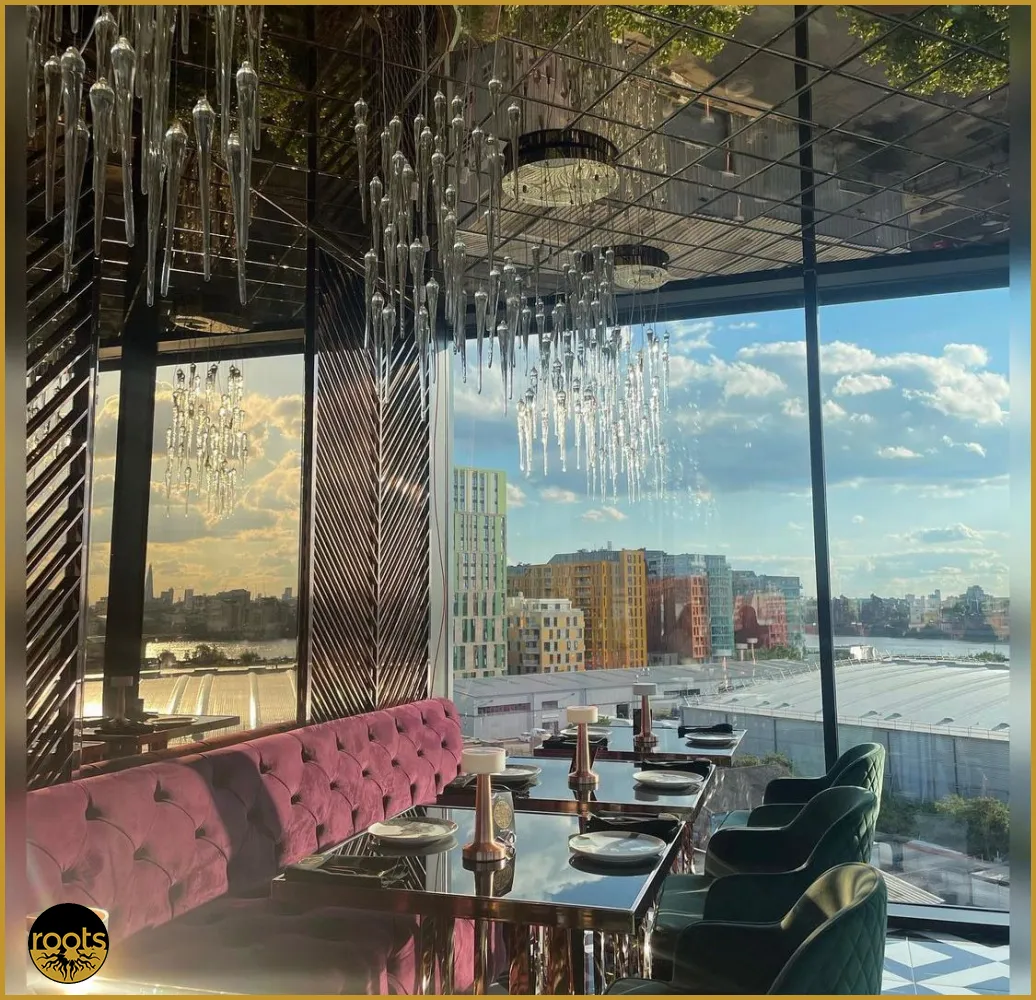
Architectural Restaurant Furniture and Restaurant Garden Furniture
The right furniture choice that reflects your restaurant's concept and offers your guests an unforgettable experience plays a critical role in your business's success. Both the architectural restaurant furniture used indoors and the restaurant garden furniture preferred outdoors directly affect the aesthetics, comfort and functionality of the venue. This comprehensive guide has been prepared to support the decision-making process of those researching products.
What Is Architectural Restaurant Furniture and What Does It Do?
Architectural restaurant furniture is an inseparable part of a restaurant's interior design. It not only provides seating and service areas, but also shapes the overall atmosphere of the venue, the brand identity and the comfort of guests. By combining aesthetics and functionality, it helps create inviting spaces where customers can spend time enjoyably for long periods. It covers elements such as table and chair sets, bar stools, banquettes and service units.
What Is Restaurant Garden Furniture and What Does It Do?
Restaurant garden furniture, on the other hand, is used to functionally and aesthetically equip the outdoor areas, terraces, courtyards or gardens of restaurants. Produced from weather-resistant materials, this furniture offers comfortable seating and dining areas outdoors as well. It stands out with its ability to adapt to weather conditions and to complement the outdoor aesthetics of the venue.
Who Is It Suitable For?
Architectural restaurant furniture and restaurant garden furniture are suitable for all kinds of dining businesses. These include;
- Restaurants: Restaurants of every concept such as fine dining, bistro, cafe and fast food chains.
- Bars and Pubs: Seating arrangements both indoors and outdoors.
- Cafes and Patisseries: Comfortable and stylish seating areas.
- Hotel Restaurants and Terraces: To offer guests special experiences.
- Event Venues: For outdoor events and private invitations.
Which Needs Does It Meet?
This furniture meets the basic needs of a restaurant:
- Seating Capacity: Provides sufficient and comfortable seating areas for guests.
- Venue Design and Atmosphere: Strengthens the overall aesthetics and ambience of the venue.
- Functionality: Offers practical solutions for ease of service, storage space and working order.
- Customer Comfort: Ergonomic designs that enable comfortable sitting for long periods.
- Durability and Maintenance: Being resistant to intensive use and external factors extends service life and reduces maintenance costs.
- Spatial Efficiency: Enables the most efficient use of spaces in different sizes and configurations.
In Which Situations Should It Be Preferred?
Architectural restaurant furniture and restaurant garden furniture should be primarily preferred in the following situations:
- Opening a New Restaurant: It is important to choose the right furniture from the initial design of the venue.
- Renovation of an Existing Venue: Replacing furniture that has aged or is incompatible with the concept.
- Arrangement of Seasonal Outdoor Areas: Special furniture for the use of areas such as gardens and terraces.
- Strengthening Brand Identity: Furniture reflecting the restaurant's style and values.
- Improving Customer Experience: Increasing customer satisfaction by creating a comfortable and stylish environment.
In What Ways Does It Differ from Its Alternatives?
Unlike standard furniture, architectural and garden restaurant furniture is designed for special needs:
- Custom Design and Scale: They generally have customizable designs suited to the restaurant's architectural structure and concept.
- High Durability: They are produced with materials offering high durability against intensive use and environmental factors (sun, rain, temperature changes).
- Comfort and Ergonomics: They have ergonomic features optimized for long periods of sitting.
- Aesthetic Integrity: They are designed to provide flawless harmony with the overall decoration of the venue.
- Ease of Maintenance: They are made from materials that are easy to clean and require little maintenance.
Material Options and Comparison
Different material types offer various advantages in terms of durability, area of use and cost. Here is a comparison of some commonly used materials:
| Material Type | Durability (Indoor/Outdoor) | Aesthetics and Comfort | Ease of Maintenance | Cost | Advantages | Disadvantages |
|---|---|---|---|---|---|---|
| Solid Wood (Teak, Mahogany, etc.) | High (species such as teak and oak are ideal for outdoor use) | Natural, warm and luxurious appearance. | Medium (may require regular oiling and varnishing) | High | Elegant and classic appearance, environmental harmony. | Heavy, may require maintenance, sensitivity to moisture and insects. |
| Metal (Aluminum, Iron, Stainless Steel) | Very High (suitable for outdoor use, coating is important) | Modern, industrial or classic appearances. | Very High (easy to clean, stainless steel is the easiest to maintain) | Medium - High | Sturdy, long-lasting, suitable for various designs. | Can heat up/cool down, risk of rust (on uncoated iron), hard feel. |
| Synthetic Rattan (Polyrattan) | Very High (UV protected, weather resistant) | Natural rattan appearance, modern and stylish. | Very High (can be easily wiped with a damp cloth) | Medium | Lightweight, durable, UV protected, waterproof. | Risk of fading in some cheap products, sensitivity to hard impacts. |
| Plastic/Polypropylene | High (UV-added products should be preferred) | Vivid colors, modern and economical. | Very High (easy to clean) | Low - Medium | Lightweight, affordable, wide range of color options. | May be less prestigious in appearance, risk of color fading in the sun. |
| Fabric (Water-Repellent and UV-Protected Outdoor Fabrics) | High (special outdoor fabrics should be used) | Comfortable and stylish cushions. | Medium (removing stains may require special care) | Medium - High (varies by fabric quality) | High seating comfort, aesthetic variety. | Risk of getting wet (if water-repellent property is weak), potential for staining. |
What Should Be Considered Before Purchasing?
To make the right furniture choice, it is important to pay attention to the following points:
- The Concept and Style of the Space: The furniture should be compatible with the overall design approach of your restaurant. Are you aiming for a modern, classic, rustic or minimalist style?
- Area of Use: Will the furniture be used indoors, outdoors, or both? This directly affects the material choice.
- Customer Comfort: Ergonomic features such as the seating height of the chairs, back support and table dimensions should be taken into consideration.
- Durability and Maintenance: Materials that are resistant to intensive use and possible weather conditions, as well as easy to clean, should be preferred.
- Size and Capacity Planning: Furniture that fits the physical dimensions of the space and meets the determined seating capacity should be selected. It is important for the area to be spacious and comfortable to use.
- Budget: Although high-quality and durable furniture is more economical in the long run, the initial budget should also be taken into consideration.
- Safety: Especially for outdoor furniture, balanced and safe products with no risk of tipping over should be preferred. Attention can be paid to ensuring corners are not sharp.
- Material Quality: The quality of the material from which the furniture is produced directly determines the lifespan and durability of the product. It can be useful to inquire about certifications and warranty conditions.
Frequently Asked Questions
Yes, when chosen correctly. Especially garden furniture made from special outdoor materials such as UV-protected, stainless metal, synthetic rattan or water-resistant teak wood is highly resistant to winter conditions (rain, snow, cold). It is important to check the technical specifications of the products and the manufacturer's recommendations.
Absolutely yes. For guests to feel comfortable throughout their time at your restaurant, have a positive experience and be more likely to visit again, it is vital that the furniture both aesthetically fits the space and offers seating comfort. Ergonomic designs, the right cushion fillings and seating angles are the factors that determine comfort.
This depends on the type of wood and the treatment it receives. Durable wood types with a high natural oil content, such as teak and oak, can be used outdoors for many years with proper varnishing and maintenance. However, softer woods or products that are not sufficiently treated may be affected by moisture, sun and insects. Therefore, attention must be paid to material selection and maintenance recommendations for outdoor wooden furniture.
Custom production can be a sensible option if you want to fully reflect your restaurant's unique concept, find furniture solutions in dimensions specific to the space and achieve unique designs. Perfectly matching the architectural details of the space also creates a strong impact in terms of branding. However, custom production generally involves higher costs and may require a longer production time.











































































