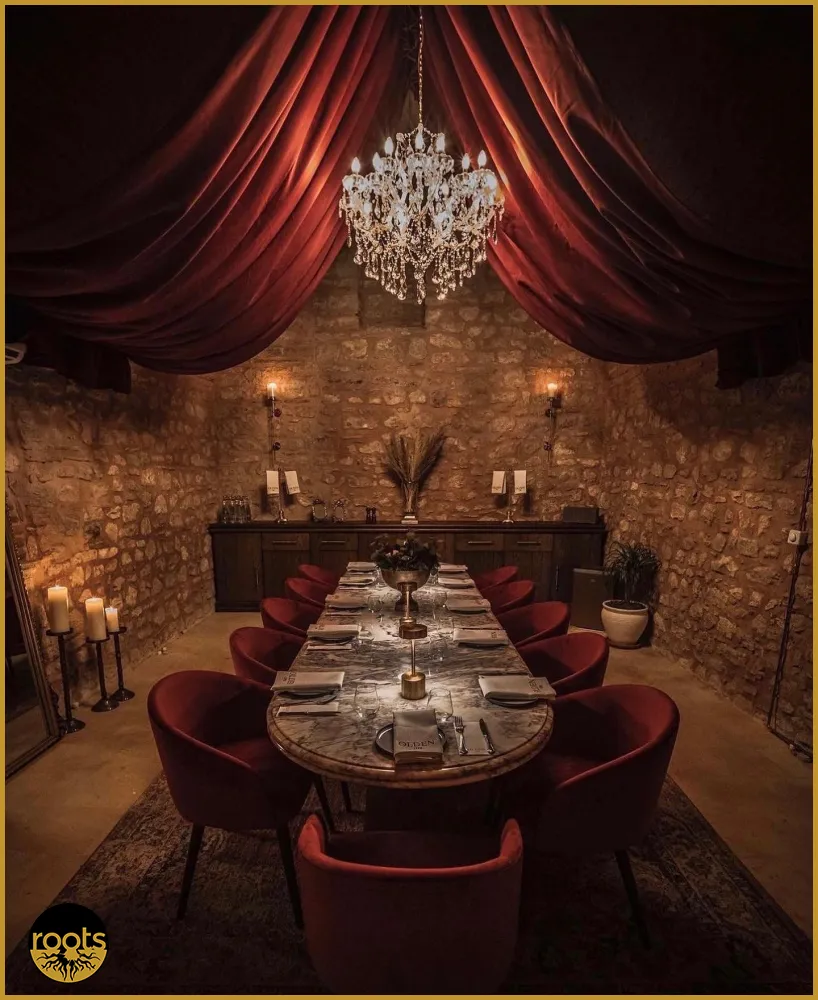
Architectural Restaurant Furniture and Garden Furniture: Redefine Your Space
The right furniture choice, which reflects the identity of your restaurant and offers your guests an unforgettable experience, directly affects the atmosphere of the space. The architectural restaurant furniture and restaurant garden furniture solutions that bring together both the elegance of indoor spaces and the spaciousness of outdoor spaces play a critical role in the success of your business. This comprehensive guide has been prepared to support your decision-making process when choosing the most suitable furniture for your restaurant.
What Is Architectural Restaurant Furniture and What Does It Do?
Architectural restaurant furniture is more than just items used for seating and service. It is furniture that offers functional solutions with high aesthetic concerns, in harmony with the overall design concept of the space. This furniture;
- Determines the overall atmosphere and ambiance of the restaurant.
- Increases the comfort and experience of guests.
- Optimizes the functionality and flow of the space.
- Strengthens brand identity and corporate identity.
- Makes spaces more inviting and memorable.
What Does Restaurant Garden Furniture Mean?
Restaurant garden furniture is weather-resistant and aesthetic furniture used in outdoor areas of restaurants such as terraces, verandas, gardens or balconies. This furniture;
- Transforms outdoor spaces into practical and comfortable seating areas.
- Increases the seasonal capacity of the space.
- Creates a relaxing atmosphere intertwined with nature.
- Offers functional solutions suitable for day and night use.
- Strengthens the outdoor visual identity.
Who Is It Suitable For and Which Needs Does It Meet?
Architectural restaurant furniture and restaurant garden furniture appeal to a wide range of users:
- Operators of restaurants, cafes, bistros, hotels and dining venues.
- Those who want to create different seating arrangements in their spaces (e.g. individual tables, group tables, lounge areas).
- Businesses that want to use both indoor and outdoor spaces effectively.
- Those who aim to offer their guests high comfort and quality service.
- Those who want to elevate the aesthetics and brand value of their spaces.
- Those looking for durable against intensive use and long-lasting furniture solutions.
- Those in need of durable outdoor furniture suitable for seasonal weather conditions.
In Which Situations Should It Be Preferred?
This type of furniture stands out in the following situations:
- For choosing furniture suitable for the concept of the space when opening a new restaurant.
- When the existing space needs to be redecorated or its atmosphere updated.
- When outdoor usage areas (terrace, garden, balcony) are to be made more active and attractive.
- When furniture that is durable against intensive customer traffic, long-lasting and easy to maintain is sought.
- When striking and stylish furniture that reflects the unique identity of the brand is preferred.
- When the aim is to appeal to a wider customer base by offering different seating options.
In Which Aspects Does It Differ from Its Alternatives?
Unlike standard furniture, architectural restaurant furniture and specially designed restaurant garden furniture stand out with the following features:
- Architectural Integrity: It perfectly harmonizes with the overall architectural style and interior decoration of the space.
- Comfort and Ergonomics: It offers ergonomic designs suitable for long periods of sitting.
- Durability and Quality: It is produced from materials with superior durability against intensive use and external factors.
- Aesthetics and Style: It features original and aesthetic designs that reflect the character of the space.
- Functionality: It offers practical solutions suited to the purpose and flow of the space (e.g. stackable chairs, modular seating groups).
- Customer Experience Focus: It includes details aimed at increasing guest satisfaction.
Different Material Types and Their Features
The materials used in restaurant furniture differ in terms of durability, ease of maintenance, aesthetics and cost. Here is a comparison of some commonly used materials:
| Material Type | Durability (Indoor/Outdoor) | Aesthetics and Area of Use | Cost |
|---|---|---|---|
| Wood (Teak, Oak, Pine, etc.) | Requires special treatment and maintenance for outdoor use. Very durable indoors. | Natural, warm and classic appearance. Suitable for indoor and outdoor spaces. | Medium - High |
| Metal (Aluminum, Iron, Stainless Steel) | Highly durable outdoors when coated and treated. Also frequently used indoors. | Modern, industrial and elegant appearances. Ideal for indoor and outdoor spaces. | Medium - High |
| Rattan (Natural and Synthetic) | Synthetic rattan is highly resistant to weather conditions. Natural rattan is more delicate. | Creates a tropical, bohemian and relaxing atmosphere. Generally preferred outdoors. | Medium |
| Plastic/Polypropylene | Resistant to weather conditions and UV rays. | Cost-effective, lightweight and modern. A practical solution especially for outdoor spaces. | Low - Medium |
| Textile (Fabric, Faux Leather) | Generally suitable for indoor use. Special waterproof and UV-protected fabrics are available for outdoor use. | Offers comfortable, stylish and colorful options. | Variable (depending on material) |
Things to Consider Before Purchasing
Since choosing the right restaurant furniture is a long-term investment, it requires careful planning. Here are the important points you should consider:
- The Concept and Style of Your Space: Choose furniture that is compatible with the overall architectural and decorative style of your restaurant. Consider models suited to styles such as modern, classic, rustic and industrial.
- Space Measurement and Layout: Measure accurately the areas where the furniture will be placed. Consider factors such as seating arrangement, customer flow and ease of service.
- Material Quality and Durability: Especially for outdoor furniture, prefer materials resistant to weather conditions (sun, rain, wind) and intensive use. Quality and long-lasting materials are also important indoors.
- Comfort Level: The comfort of your guests is a priority. Pay attention to ergonomic details such as the seat depth of chairs, back support and table heights.
- Ease of Maintenance and Cleaning: Hygiene and cleanliness are essential in a restaurant environment. Choose furniture made from materials that are easy to clean and practical to maintain.
- Budget Planning: Evaluate options that fit your budget without compromising on quality and durability.
- Safety Standards: Make sure that the materials and furniture used comply with the relevant safety standards.
- Supplier Reliability: Work with reliable suppliers regarding product quality, delivery time and after-sales services.
Frequently Asked Questions
What should I pay attention to when choosing outdoor restaurant furniture?
In outdoor furniture, weather resistance is primarily important. Materials resistant to UV rays, moisture and temperature changes (synthetic rattan, aluminum, treated wood) should be preferred. In addition, easy cleaning and lightness (in terms of ease of carrying) are also important criteria.
Which furniture types are recommended for different restaurant concepts?
- Modern and Minimalist: Metal, wood and minimalist-designed chairs with clean lines, slim-structured tables.
- Industrial: Furniture with iron, raw wood and retro details, metal chairs.
- Classic and Elegant: Upholstered chairs, tables with carved wood details, velvet or leather coverings.
- Rustic and Natural: Solid wood tables, chairs made of wicker or natural rattan, cushioned seating areas.
- Bohemian and Relaxed: Rattan or bamboo furniture, colorful cushions, low seating groups.
How should restaurant garden furniture maintenance be done?
Maintenance varies depending on the material used. In general, it is recommended to wipe regularly with a damp cloth and to avoid using detergent. Special protective oils can be used for wooden furniture. Metal furniture should be protected against rusting, while rattan and plastic furniture should be cleaned with mild soapy water and dried. During the winter months or if not to be used for a long time, covering the furniture or storing it in an enclosed area will extend its life.
What are the most suitable furniture solutions for a small restaurant area?
Compact and multifunctional furniture is ideal for small spaces.
- Bistro tables and slim-legged chairs take up less space.
- Benches or banquettes that can be placed along the wall provide maximum seating area.
- Stackable chairs save space when not in use.
- Folding tables also offer flexibility. Light-colored furniture and mirrored accessories can make the space look more spacious.











































































