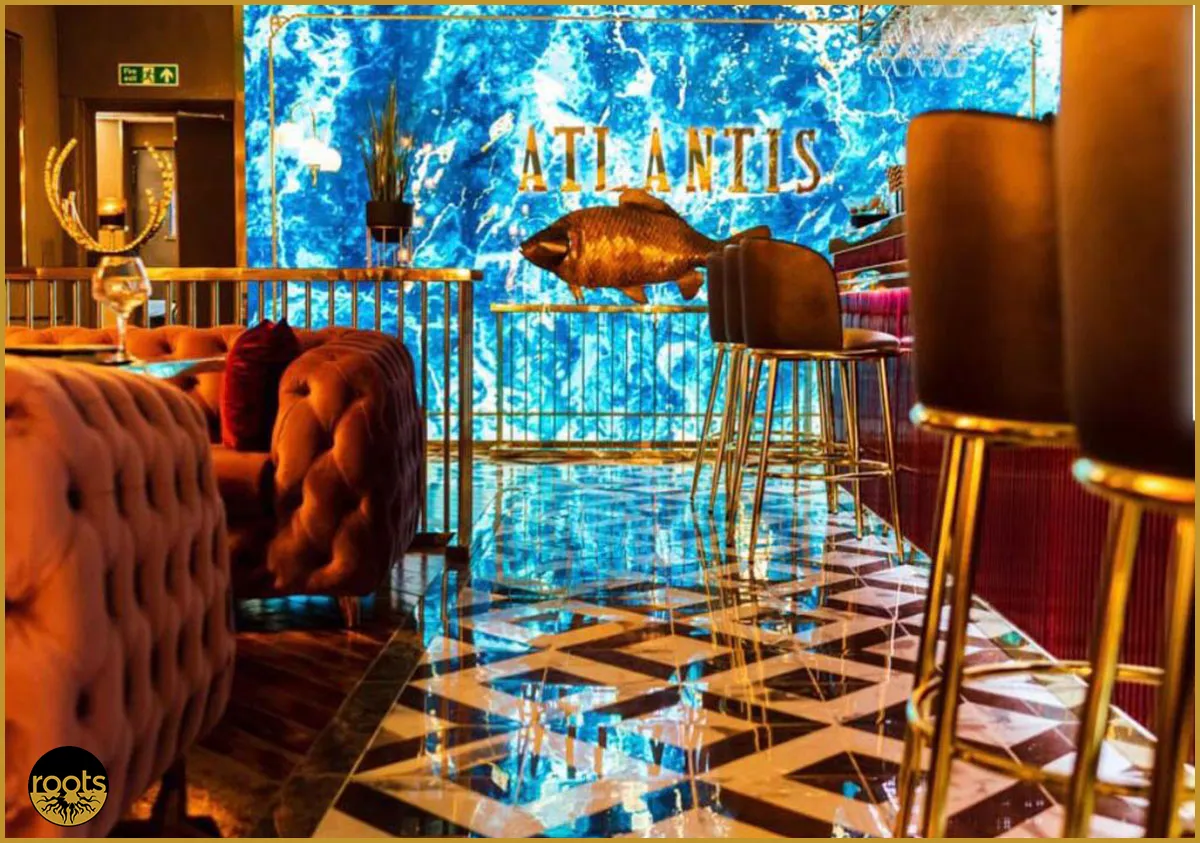
Architectural Restaurant Furniture: Choices That Reflect Your Venue's Identity
One of the most important elements that determine the atmosphere of your restaurant is undoubtedly furniture. Architectural restaurant furniture goes beyond merely offering seating areas; it directly influences your venue's aesthetic understanding, its concept, and the experience you offer your guests. Used both indoors and outdoors, these special pieces aim to create a cohesive design by harmonizing with the overall architectural texture of the space.
When choosing furniture for your restaurant, alongside aesthetic concerns, practical elements such as durability, functionality and ease of use must also be taken into account. Your guests' comfort and satisfaction play a key role in the success of your business.
Restaurant Garden Furniture: Aesthetic Touches for Open Spaces
Especially for restaurants with open areas such as terraces, verandas, gardens or courtyards, the choice of restaurant garden furniture is of great importance. These pieces must be resistant to external factors (sun, rain, wind, etc.) and at the same time harmonize with the overall decoration of the space. Correctly chosen garden furniture transforms your open areas into inviting and comfortable living spaces.
Restaurant garden furniture carries the potential to offer your guests a peaceful environment where they can enjoy the season and the weather. For this reason, it is important to turn to products that offer both an aesthetic appearance and long-lasting use.
Why Should Architectural Restaurant and Garden Furniture Be Preferred?
Architectural restaurant and garden furniture is designed to meet specific needs and offer specific advantages:
- Compatibility with Space Design: It creates visual unity by harmonizing with the overall architecture. It offers solutions suited to different concepts such as modern, classic, rustic or industrial.
- Durability and Longevity: Outdoor furniture in particular is produced from materials resistant to weather conditions. It has a sturdy structure, considering the intensive use of a restaurant environment.
- Comfort and Guest Experience: Thanks to their ergonomic designs, they offer your guests a pleasant and comfortable seating experience.
- Functionality: They may include designs aimed at using the space in the most efficient way (stackable chairs, modular tables, etc.).
- Image and Prestige: Stylish and high-quality furniture strengthens your business's professional and meticulous image.
Who Is It Suitable For?
Architectural restaurant and garden furniture appeals to a wide range of users:
- Restaurants: Suitable for every kind of restaurant concept.
- Cafes and Bistros: Businesses seeking stylish and modern solutions for their indoor and outdoor spaces.
- Hotel Businesses: Can be used in lobby, restaurant, terrace and garden areas.
- Businesses with Dining Areas: Also ideal for places such as lounge areas and relaxation corners.
- Event Venues: Offers functional and aesthetic solutions for outdoor events and organizations.
Which Needs Does It Meet?
This type of furniture meets various needs of your business:
- Seating Capacity: Provides sufficient and comfortable seating areas for your guests.
- Optimization of Space Usage: Tables in different sizes and forms help you optimize the layout of your space.
- Protection Against External Factors: Garden furniture is resistant to UV rays, moisture and other weather conditions.
- Ease of Cleaning and Maintenance: Easily cleanable materials save time during busy business periods.
- Aesthetic and Decorative Value: It enhances the visual appeal of your space, creating a more inviting atmosphere.
Material Options and Features
Architectural restaurant and garden furniture is produced from various materials for different needs and aesthetic preferences. The choice of material directly affects the furniture's durability, maintenance, cost and area of use. The following table compares some commonly used material types:
| Material Type | Durability | Indoor/Outdoor Architectural Use | Cost (General Assessment) | Prominent Features |
|---|---|---|---|---|
| Wood (Teak, Acacia, etc.) | High (with proper maintenance) | Both indoor and outdoor (requires special treatment for outdoor use) | Medium - High | Natural and warm appearance, gains patina over time, requires maintenance. |
| Metal (Aluminum, Cast Iron, Stainless Steel) | Very High | Both indoor and outdoor | Medium - High | Sturdy, modern appearance, resistant to rust (varies by coating). |
| Synthetic Rattan (Polyrattan) | High | Mainly outdoor, but also used indoors. | Medium | Weather-resistant, UV-protected, lightweight, easy to clean. |
| Plastic (Polypropylene, etc.) | Medium - High (varies by quality) | Both indoor and outdoor | Low - Medium | Lightweight, plenty of colorful options, durability varies by quality, cost-effective. |
| Textile (Acrylic, Polyester, etc. Fabrics) | Medium - High (outdoor fabrics are more durable) | Mainly indoor, specially produced fabrics are used for outdoor. | Variable | Comfortable seating, variety of colors and patterns, fabrics with stain-resistant and water-repellent properties should be preferred. |
Things to Consider Before Purchasing
Important points to consider when choosing restaurant and garden furniture are as follows:
- Size and Layout of the Space: It is important that the furniture is at a scale appropriate to the space and does not restrict movement area.
- Concept and Aesthetics: Color, style and material selection should be made in harmony with the overall design concept of your space.
- Frequency and Purpose of Use: How intensively the furniture will be used and for what purpose it will be placed (dining, relaxation, etc.) should be taken into account.
- Material Quality and Durability: Especially for outdoor furniture, materials resistant to weather conditions and intensive use should be preferred.
- Ease of Maintenance and Cleaning: Products that are easy to clean and require little maintenance during business intensity save time.
- Ergonomics and Comfort: Furniture with ergonomic design that will make your guests comfortable should be chosen.
- Budget: Investments that will be profitable in the long term should be made by considering the balance of quality and price.
- Supplier Reliability: It is important to work with reliable suppliers regarding warranty conditions, delivery time and after-sales support.
Frequently Asked Questions
Q: What should I pay most attention to when choosing restaurant garden furniture?
A: When choosing garden furniture, weather resistance is the most important factor. Materials resistant to sunlight, humidity and temperature changes (synthetic rattan, aluminum, specially treated wood) should be preferred. In addition, easy cleaning and UV protection are also important for long-lasting use.
Q: What is the main difference between indoor restaurant furniture and outdoor furniture?
A: The main difference is the level of material structure and durability. Outdoor furniture is specially produced against environmental factors such as rain, sun and wind and is more resistant. Indoor furniture, on the other hand, focuses more on comfort, aesthetics and suitability for indoor conditions. However, some materials (for example, certain types of wood or metalwork) can be made suitable for both indoor and outdoor use.
Q: How should I clean my furniture?
A: The cleaning method varies depending on the material the furniture is made of. Generally, mild soapy water and a soft cloth are sufficient for most materials. Special wood cleaners and protectors can be used for wooden furniture. Regular maintenance may be required to prevent rust on metal furniture. Materials such as synthetic rattan can generally be easily wiped with a damp cloth.
Q: Which is the most cost-effective restaurant furniture?
A: Generally, furniture made from quality plastic or synthetic rattan materials can be more cost-effective. However, products that seem cheap in the short term may turn out to be more expensive in the long term in terms of durability and maintenance costs. Therefore, it is important to make an evaluation by considering long-term service life and durability as well as the initial cost.











































































