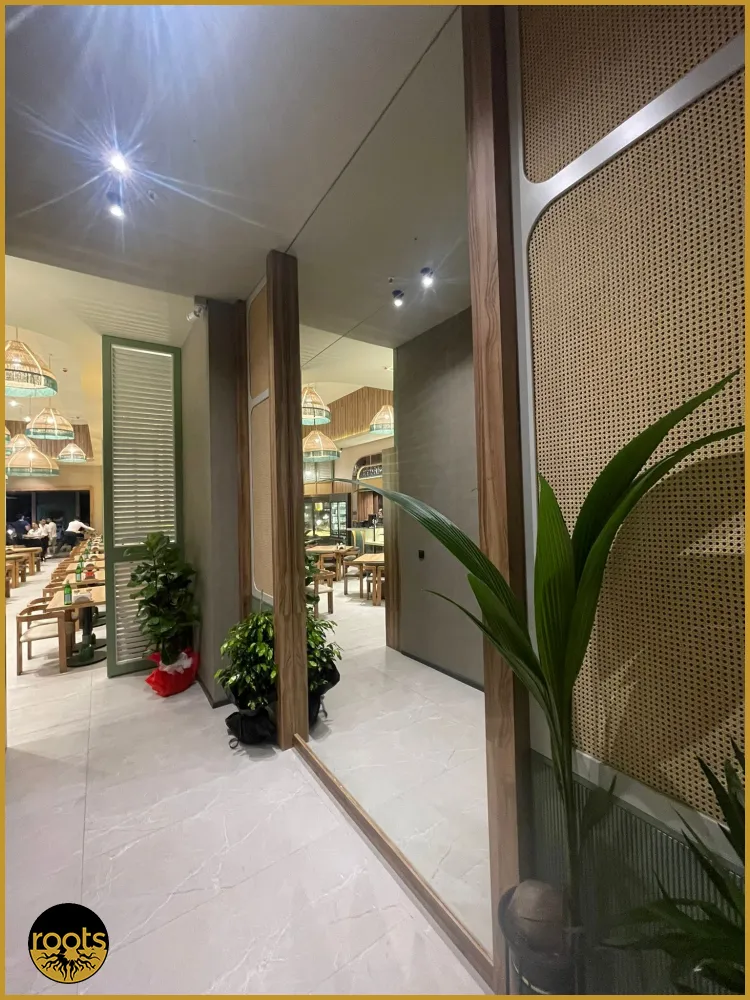
Restaurant Interior Architecture Designs: Add Value to Your Space
The success of your restaurant is directly related not only to the flavors you offer but also to the experience you provide to your customers. The interior of a restaurant creates customers' first impressions, reflects the brand identity and helps build a long-term connection with them. Therefore, restaurant interior architecture designs play a critical role in terms of the overall functionality, aesthetics and customer satisfaction of the space.
What Is Restaurant Interior Design and Why Is It Important?
Restaurant interior design is the process of planning and implementing the aesthetic, functional and sensory elements of all areas to be used in a dining establishment. This process covers furniture selection, lighting arrangements, color palettes, material preferences, acoustic solutions and the creation of the overall atmosphere.
- Enriches the Customer Experience: A comfortable and inviting environment encourages customers to stay longer and visit again.
- Strengthens Brand Identity: The design reflects the restaurant's concept, vision and target audience, creating a memorable brand image.
- Increases Operational Efficiency: A functional layout facilitates the workflow of service staff and ensures balance between kitchen and service areas.
- Provides a Competitive Advantage: A unique and attractive design enables you to stand out in a crowded market and differentiate yourself from your competitors.
Who Is It Suitable For?
Restaurant interior architecture designs are suitable for dining establishments of every scale and every type:
- Restaurants, cafes, bars, bistros, patisseries and other gastronomy businesses that are about to open.
- Businesses that want to renew the concept of their existing space or improve its ambiance.
- Chain restaurants that want to reflect their brand identity more strongly.
- Venues that want to create different atmospheres for special events or themed evenings.
- Every business owner aiming for high customer satisfaction and repeat visit rates.
Which Needs Does It Meet?
An effective restaurant interior architecture design meets the following fundamental needs:
- Aesthetic Need: Offering a visually pleasing, inviting appearance that suits the concept of the space.
- Functional Need: Providing comfortable movement space for customers and staff, optimizing service flow, establishing an efficient connection between kitchen and seating areas.
- Sensory Need: Creating the desired atmosphere through lighting, color, music and textures, leaving positive psychological effects on customers.
- Branding Need: Increasing brand awareness and loyalty by reflecting the restaurant's story, values and target audience.
- Technological Integration: Incorporating technological infrastructure (lighting systems, sound systems, POS integration, etc.) into the design in line with modern needs.
In Which Situations Should It Be Preferred?
Restaurant interior architecture design is especially important and should be preferred in the following situations:
- Determining or Updating a Concept: When you want the space to have a unique identity and story.
- Increasing Customer Satisfaction: When you want to offer a more enjoyable experience by improving the atmosphere of your existing space.
- Differentiating in Market Competition: When you want to stand out from your competitors and attract the interest of your target audience.
- Solving Operational Problems: When you want to eliminate operational problems such as cramped areas and poor service flow within the space.
- Maximizing the Potential of the Space: When you want to increase seating capacity by using empty areas more efficiently or create different usage areas.
In Which Ways Does It Differ from Alternatives?
Instead of merely decorating or placing furniture in restaurant interior design, a comprehensive interior architecture design process differs in many ways:
- Holistic Approach: It focuses not only on aesthetics but also on all elements such as functionality, acoustics, lighting, ergonomics and brand identity together.
- Expertise and Experience: Interior architects possess the knowledge and experience to bring out the potential of the space in the best possible way.
- Customized Solutions: It offers fully personalized solutions tailored to the unique needs and concept of each space.
- Long-Term Investment: Rather than focusing on short-term trends, it aims to create durable and functional spaces that stand the test of time.
- Cost Optimization: In the long run, it prevents unnecessary costs through correct material selection and planning.
Points to Consider in Material Selection
The selection of materials to be used in restaurant interiors is of great importance in terms of both aesthetic appearance and durability and cost. The following table compares some commonly used material types:
| Material Type | Durability | Interior Architecture Use | Cost (General) | Notes |
|---|---|---|---|---|
| Natural Stone (Marble, Granite, etc.) | Very High | Floors, countertops, wall claddings | High | Aesthetically rich, may require maintenance. |
| Wood (Solid, Veneer) | High | Floors, furniture, wall panels, ceiling details | Medium - High | Creates a warm and natural atmosphere, may be sensitive to scratches and moisture. |
| Concrete (Polished, Decorative) | Very High | Floors, walls, countertops | Low - Medium | Offers an industrial and modern look, acoustic treatment may be required. |
| Metal (Stainless Steel, Iron) | Very High | Furniture frames, lighting elements, accessories, bar counters | Medium | Durable and stylish, may require maintenance. |
| Ceramic/Porcelain | High | Floors, walls, countertops | Low - Medium | Available in various patterns and textures, easy to clean. |
| Fabric (Upholstery) | Medium - High | Sofa, chair upholstery | Low - Medium | Provides color and texture variety, stain-resistant options should be preferred. |
| Leather (Natural, Artificial) | High | Sofa, chair upholstery, wall panels | Medium - High | A luxurious and durable option, maintenance is important. |
Frequently Asked Questions
How long does the restaurant interior architecture design process take?
The length of the design period varies depending on the size, complexity and required level of detail of the project. On average, the concept development, detailed planning and project management phases can take between a few weeks and a few months. The construction and implementation period is added on top of this time.
How can I use my budget most efficiently?
To use your budget efficiently, you should first set a clear budget and allocate it according to your priorities. By working with an interior architect, you can make cost-effective material choices, focus on long-lasting and durable solutions, and achieve the aesthetics and functionality you aim for by avoiding unnecessary details. An interior architect can help you get the best results within your budget.
How should I determine the concept suitable for my space?
The concept determination process begins by analyzing your target audience, the type of cuisine you will offer, your brand values and the competitive environment. The location, architectural features and surroundings of the space should also be taken into account. An interior architect can help you create the most suitable, original and attractive concept for your restaurant's identity by carrying out these analyses.
What should I pay attention to when redesigning an existing restaurant?
When redesigning an existing restaurant, it is important to first analyze the strengths and weaknesses of the existing structure. The infrastructure of the space (electricity, water, ventilation), load-bearing systems and permit requirements should be taken into consideration. In addition, it should be planned how the redesign will attract a new audience without losing your existing customer base. Planning should be done meticulously to minimize operational disruption.
What is the role of lighting in restaurant design?
Lighting is one of the most important elements that determine the atmosphere of a restaurant. The right lighting enhances the warmth, inviting feel and aesthetics of the space. By using different lighting layers (general lighting, task lighting, accent lighting), both functionality is provided and the desired feeling is created. For example, while dim and warm lighting creates a romantic dinner atmosphere, brighter and focused lighting can offer a more energetic environment during the day.
Why is acoustic arrangement important in restaurant design?
Sound insulation and acoustic arrangement in restaurants are critical to the customer experience. High sound levels can make conversation difficult, cause customers to feel uncomfortable and leave the venue early. By using sound-absorbing materials, correct space arrangement and acoustic panels, a comfortable listening environment can be created. This both increases customer satisfaction and allows employees to work more efficiently.
Things to Consider Before Purchasing
Paying attention to the following points before starting an interior architecture design project or before receiving a design service will ensure the process goes more smoothly and successfully:
- Clarify Your Needs and Goals: You should have a clear idea about your restaurant's concept, target audience, budget and expectations.
- Review Portfolios and References: Review the previous work of the interior architect or design firm you choose, especially their successes in similar projects.
- Communication and Understanding: Make sure you can establish good communication with the designer and that they understand your ideas and vision.
- Proposal and Contract Details: Make a detailed contract that includes which services the proposal covers, payment terms, delivery dates and possible additional costs.
- Legal Permits and Regulations: Consult your designer about compliance with the zoning, licensing and safety regulations in the location of your venue.
- Think Long Term: Instead of focusing only on today's trends, work with a designer who offers timeless and functional solutions that will remain valid in the future.
A professional restaurant interior architectural design, in addition to adding aesthetic value to your venue, contributes directly to the success of your business by improving the customer experience. With the right planning and expert support, you can transform your restaurant into an unforgettable experience destination.











































































