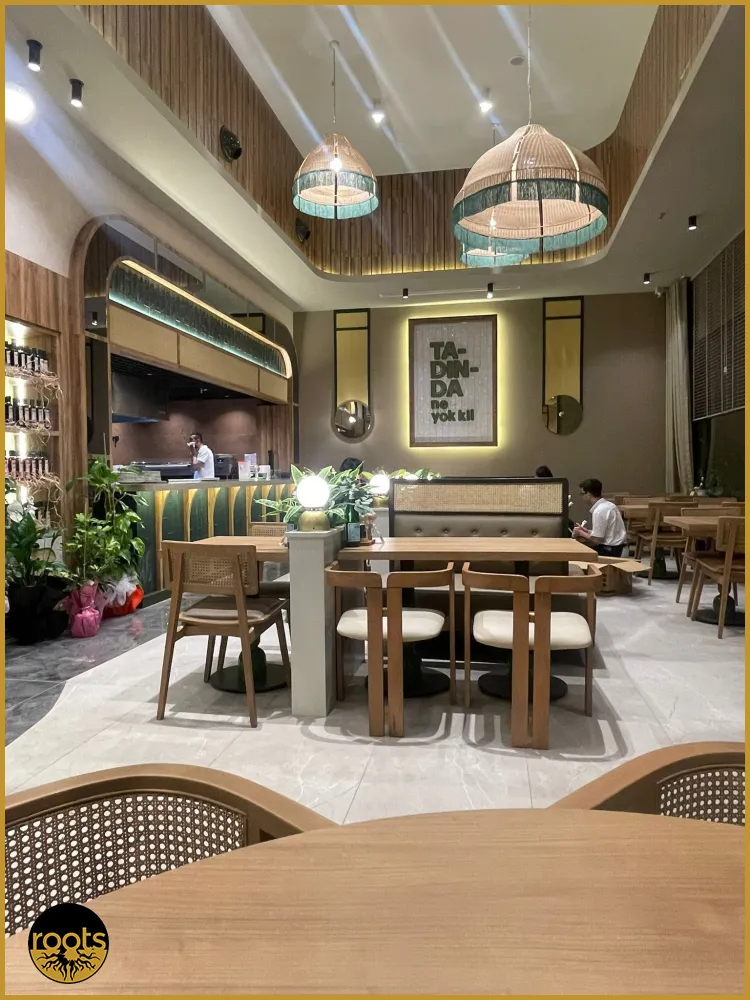
Restaurant Interior Architecture Designs: Reveal Your Venue's Potential
In the success of a restaurant, not only the flavors it offers but also its interior design plays a critical role. When choosing a restaurant, customers consider both visual aesthetics and comfort. An impressive restaurant interior design reflects your brand's identity, enriches the customer experience and increases the likelihood of repeat visits. This comprehensive guide aims to help you find the most suitable interior architecture solutions for your restaurant.
What Is Restaurant Interior Design and What Does It Do?
Restaurant interior design is the arrangement of a restaurant's physical space in an aesthetic, functional and comfortable way. This process covers every detail of the venue, from floor coverings to lighting, from furniture selection to the color palette.
- Improving the Customer Experience: A comfortable and inviting environment allows guests to stay longer and have a positive experience.
- Strengthening Brand Identity: Design visually conveys your restaurant's concept and values, increasing brand awareness.
- Increasing Functionality: A cleverly planned layout both increases staff efficiency and facilitates customer flow.
- Providing a Competitive Advantage: A unique and memorable design sets you apart from your competitors.
- Maximizing the Venue's Potential: It allows the space to be used in the most efficient way.
Who Are Restaurant Interior Architecture Designs Suitable For?
Restaurant interior architecture designs apply to anyone in the following situations:
- Entrepreneurs Opening a New Restaurant: Those who want to create a strong brand identity and an attractive venue from the start.
- Operators Who Want to Renovate Their Existing Restaurant: Those who want to expand or refresh their customer base by updating their venue.
- Restaurants Making a Concept Change: Those who want to make changes to their menu or service approach and adapt their venue accordingly.
- Those Who Want to Offer a Better Customer Experience: Those who aim to increase customer satisfaction by improving the atmosphere of their venue.
- Those Seeking Expert Support on Design: Those who want to stand out with a professional touch instead of designing on their own.
Which Needs Does It Meet?
Professional restaurant interior architecture designs mainly meet the following needs:
- Aesthetic Needs: Increasing the visual appeal of the venue, creating a specific atmosphere.
- Functional Needs: Optimizing the use of areas such as table layout, kitchen access, service areas and restrooms.
- Comfort Needs: Arranging elements such as seating layout, acoustics, lighting and climate control for the comfort of customers and staff.
- Safety Needs: Complying with safety standards such as fire exits and non-slip floors.
- Budget Management: Offering the most effective and durable solutions within the specified budget.
In Which Situations Should It Be Preferred?
In line with your restaurant's current situation or future goals, seeking professional interior architecture support would be beneficial in the following situations:
- If you think you are not fully using the venue's potential.
- If you have realized that your restaurant does not appeal to your target audience or does not convey the message you want to them.
- If you have observed that a large portion of customer complaints are related to the venue (narrow spaces, poor lighting, uncomfortable chairs, etc.).
- If you have developed a new concept and the venue needs to support this concept.
- If you think the designs of competitor restaurants stand out and you need to differentiate as well.
- If you feel that the venue has become outdated and needs a modern touch.
Different Material Options and Their Features
The choice of materials used in restaurant designs directly affects the overall appearance, durability and maintenance of the venue. Here is a comparison of some common material types:
| Material Type | Durability | Indoor Use | Outdoor Use (If Suitable) | Cost (Relative) | Aesthetic Contribution |
|---|---|---|---|---|---|
| Natural Stone (Marble, Granite, etc.) | Very High | Floor, wall coverings, countertops | Yes (Suitable types) | High | Luxurious, natural, prestigious |
| Wood (Solid, Veneer, Composite) | Medium - High (Depends on maintenance) | Floor, wall coverings, furniture, ceiling details | Yes (With special treatments) | Medium - High | Warm, natural, rustic, modern |
| Ceramic / Porcelain Tile | High | Floor, wall coverings, bathroom | Yes (Special types) | Low - Medium | Wide variety, practical, hygienic |
| Concrete (Decorative, Polished) | High | Floors, walls, ceilings, furniture | Yes (With surface treatment) | Low - Medium | Industrial, modern, minimalist |
| Metal (Stainless Steel, Iron, etc.) | Very High | Furniture, lighting elements, decorative accents | Yes (With coating and treatment) | Medium - High | Industrial, modern, elegant |
| Glass (Tempered, Laminated) | Medium - High | Tabletops, dividers, decorative elements | No (Generally indoor) | Medium | Transparent, spacious, modern |
What Sets It Apart from Alternatives?
Professional restaurant interior architecture designs are distinguished from other approaches in the following ways:
- Customized Solutions: Designs are developed by taking into account each restaurant's unique concept, target audience and the specific characteristics of its space. Standard solutions are avoided.
- Expertise and Experience: More accurate and lasting decisions are made with architects' sectoral knowledge, material awareness and expertise in ergonomics and functionality.
- Holistic Approach: Focus is placed not only on aesthetics but also on the overall flow of the space, staff efficiency, customer comfort and the brand's story.
- Technical Details: Technical details such as lighting scenarios, acoustic arrangements and the integration of ventilation systems are not overlooked.
- Cost Optimization: With the right investment made at the outset, savings are achieved in the long term in terms of material durability, energy efficiency and operating expenses.
Things to Consider Before Purchasing
Paying attention to the following points before receiving interior architecture design services for your restaurant or taking steps in this direction will make your decision-making process easier:
1. Determining the Concept and Target Audience
- Clarify which cuisine your restaurant will offer and what kind of atmosphere you want to create.
- Analyze the demographic characteristics and expectations of your target customer base.
2. Budget Planning
- Create a realistic budget for all items such as design, renovation, furniture, lighting and decoration.
- Keep a 10-15% additional allowance in the budget for unexpected situations.
3. Space Analysis
- Evaluate the physical characteristics of your existing space in detail, such as its dimensions, light exposure and infrastructure status.
- Identify potential constraints and advantages.
4. Seeking Professional Support
- Review their previous portfolios and contact architects whose style matches yours.
- Establish open communication with the designer and clearly express your expectations.
- Before signing an agreement, learn the scope of service and payment terms in detail.
5. Material and Workmanship Selection
- Learn about the durability, cleaning and maintenance of the materials to be used.
- Choosing quality workmanship suited to the intensity of use of the space is important.
6. Licenses and Permits
- Check that the renovations or changes to be made comply with local regulations and licensing requirements.
Frequently Asked Questions
How long does restaurant interior design take?
The design period varies depending on the size and complexity of the project and how quickly you make decisions. On average, it can take between a few weeks and a few months for concept development, detailed drawings and material selections. The implementation phase will also take additional time.
What will my role be during the design process?
Your role during the design process will be to clearly express your expectations, your concept, your budget and any special requests you may have. The architects will shape the designs in line with your feedback. Remember that your decisions will affect the process.
Which is more important, functionality or aesthetics?
An ideal restaurant should combine both functionality and aesthetics. They should complement each other. While aesthetic appeal attracts customers, functionality ensures that both customers and staff work comfortably and efficiently. Professional designs balance these two elements.
Is custom design necessary for a small restaurant too?
Absolutely yes. In small spaces, efficient use of the area is far more critical. A cleverly executed design can make even a small space feel more spacious, inviting and functional. Custom design is of great importance for making the best possible use of the space and reflecting the brand identity.
How much do design costs contribute to the restaurant's overall investment?
Although professional design may seem like an investment at the outset, in the long run it can pay for itself by increasing the restaurant's revenue potential. The right design increases customer satisfaction, raises the number of repeat customers and reinforces the value of your brand. In addition, durable materials and efficient solutions can reduce operating costs.
To reveal your restaurant's potential and offer your guests an unforgettable experience, making use of professional interior architecture designs will be one of the rightest investments for your business in the long run.











































































