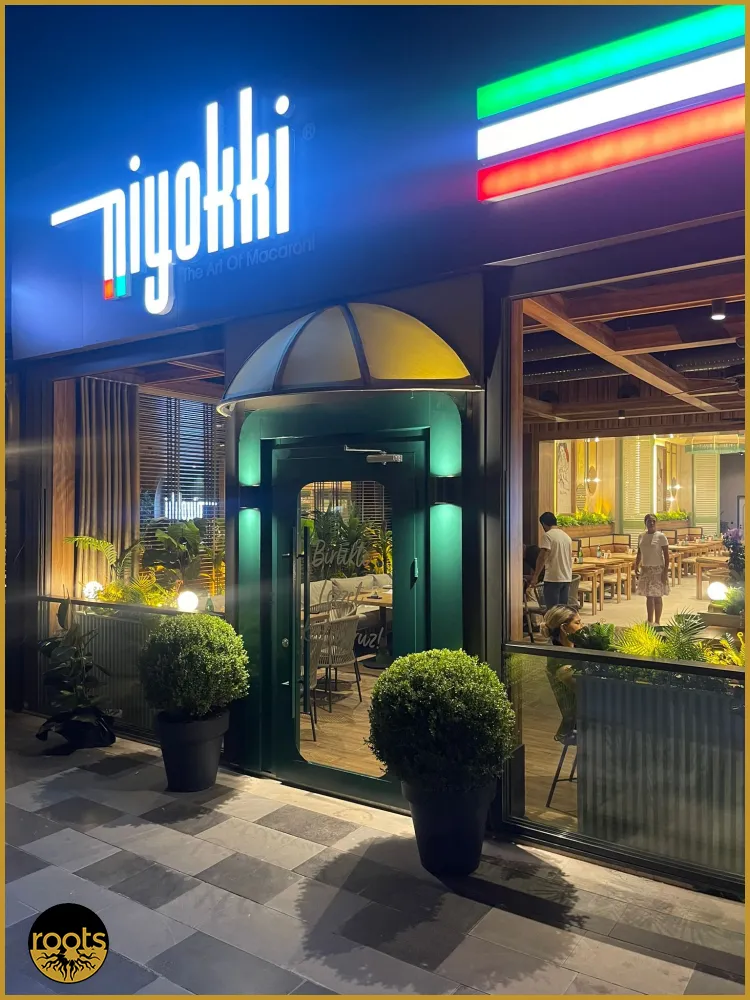
Restaurant Interior Architecture and Interior Designs: Take the Experience to the Top
Delicious food and quality service are not the only factors in a restaurant's success. The space itself is the cornerstone of creating an unforgettable experience for customers. **Restaurant interior architecture and interior designs** are critical for creating a space that appeals to your target audience, reflects the atmosphere correctly, and is flawless in both aesthetic and functional terms. A restaurant designed with a professional approach is one of the most effective ways to build a loyal customer base and elevate your brand value.
Why Is Professional Restaurant Interior Architecture Design Important?
Your restaurant's interior is the first and most lasting impression that reflects your brand's identity. A well-designed space:
- Improves the customer experience and increases satisfaction.
- Ensures operational efficiency by optimizing the functionality of the space.
- Strengthens brand perception by conveying the right message to your target audience.
- Encourages customers to stay longer in the space, which indirectly means increased revenue.
- Offers natural marketing opportunities by creating shareable and visually appealing images on social media.
What Does Restaurant Interior Design Cover?
Comprehensive restaurant interior design brings together the following elements:
- Concept Development: The core strategies that determine the soul of the space, its target audience and brand identity.
- Space Planning and Layout: Functional optimizations such as customer flow, service areas, kitchen layout and seating arrangements.
- Material and Color Selection: Floor, wall and ceiling coverings and color palettes that affect the atmosphere and durability of the space.
- Lighting Design: Lighting solutions that determine the ambiance of the space, accent areas and overall atmosphere.
- Furniture and Accessory Selection: Tables, chairs, bar stools and decorative objects that offer aesthetic harmony, comfort and functionality together.
- Acoustic Arrangements: Sound insulation and absorption solutions to provide a comfortable listening and conversation environment.
- Kitchen and Service Area Integration: Seamless integration of customer areas with kitchen and service operations.
Who Is It Suitable For?
Restaurant interior architecture and interior design services are ideal for all businesses in the following situations:
- Restaurants to Be Newly Opened: Those who want to create a functional and aesthetic space from scratch, in line with brand identity.
- Those Who Want to Renovate Their Existing Restaurant: Those who want to modernize an old or outdated space, improve the customer experience or stand out with a new concept.
- Those Planning a Concept Change: Businesses that want to move toward a different cuisine type or target audience and need to adapt their space to this change.
- Those Who Want to Gain a Competitive Advantage: Businesses that want to stand out from competitors and become a preferred destination for customers.
- Those Who Want to Elevate Brand Value: Those aiming to strengthen brand image by increasing the aesthetic quality of the space.
Which Needs Does It Meet?
Professional restaurant interior architecture designs meet many fundamental needs of a business:
- Visual Aesthetics and Brand Consistency: Creating a space that reflects the restaurant's identity, is pleasing to the eye and complies with the brand guidelines.
- Customer Comfort and Experience: Maximizing customer satisfaction with comfortable seating areas, appropriate lighting, effective acoustics and a pleasant atmosphere.
- Operational Efficiency: Enabling staff to work more efficiently by optimizing the flow between the kitchen, service, bar counter and customer areas.
- Spatial Optimization: Achieving maximum customer capacity by making the best use of the available space and making every corner functional.
- Durability and Ease of Maintenance: Reducing operating costs by choosing long-lasting, easy-to-clean materials suitable for intensive use.
- Safety Standards: Creating designs that comply with legal regulations regarding fire safety, emergency exits and general space safety.
In Which Situations Should It Be Preferred?
Restaurant interior architecture and design services make a great difference, especially in the following situations:
- When You Want Your Brand to Reflect You Perfectly: When you want the venue to be not just a dining area, but also an extension of your brand.
- When You Want to Meet Your Target Audience's Expectations: When you want to create an atmosphere that appeals to a specific demographic or lifestyle.
- When You Want to Overcome the Physical Limits of the Venue: When a professional perspective is needed to make a narrow or irregular space more spacious, functional and aesthetic.
- When You Want to Stand Out in a Competitive Market: When you want to create a venue that differentiates you from your competitors, is memorable and makes people want to visit again.
- When You Want to Solve Operational Problems: When you want to eliminate issues such as narrow passages, inadequate seating arrangements or inefficient service flow within the venue.
Things to Consider in Material Selection
The selection of materials to be used in a restaurant environment is of great importance both aesthetically and functionally. The following table compares the features of some common material types:
| Material Type | Durability | Indoor Use | Outdoor Use | Cost | Features and Areas of Use |
|---|---|---|---|---|---|
| Natural Stone (Marble, Granite, etc.) | High | Yes | Suitable (depending on surface treatment) | High | Ideal for luxurious and prestigious venues. Countertops, floors, wall coverings. Durable and aesthetic. |
| Ceramic and Porcelain | High | Yes | Yes | Medium | Offers a wide range of patterns and colors. Practical and durable for kitchen, bathroom, floor and wall coverings. |
| Wood (Solid, Veneer, etc.) | Medium - High (depending on treatment) | Yes | Limited (with special treatment) | Medium - High | Creates a warm and inviting atmosphere. Table surfaces, wall panels, furniture. May require maintenance. |
| Concrete and Microcement | High | Yes | Yes | Medium | Suitable for modern, industrial and minimalist designs. Floor, wall, countertop applications. Durable and easy to maintain. |
| Metal (Stainless Steel, Iron, etc.) | High | Yes | Yes | Medium - High | Used in industrial and modern venues. Table legs, lighting elements, decorative details. Sturdy and hygienic. |
| Fabric and Upholstery Materials | Medium (depending on use) | Yes | No | Variable | Seating groups, chairs, wall panels. Adds comfort and color to the venue. Stain-resistant and easy-to-clean options should be preferred. |
Our Aspects That Differentiate Us from Alternatives
While there are many interior architecture services on the market, working with a team specialized in restaurant design creates the following differences:
- Sector Knowledge and Experience: Working with experts who know the dynamics of the gastronomy sector, customer expectations and operational requirements.
- Conceptual Focus: Ensuring that the venue not only looks beautiful, but also tells the story of your brand and delivers a strong message to your target audience.
- Combining Functionality and Aesthetics: Ensuring that every detail is both aesthetically appealing and operates flawlessly operationally.
- Customer Journey Design: Designing with consideration of the customer's entire experience from the moment they step into the restaurant until the moment they leave.
- Customer Satisfaction-Oriented Approach: Working with a results-oriented approach to ensure you get a return on your investment through customer satisfaction and increased business volume.
What Should Be Considered Before Purchasing?
Before receiving a restaurant interior architecture and design service, it is important to pay attention to the following points:
- Portfolio and References: Review the design team's previous restaurant projects. Get an idea about the style, quality and diversity of the spaces.
- Communication and Understanding: Evaluate how well the team understands your vision and how openly they communicate with you.
- Design Process and Timeline: Clarify how the design process will work, which stages will be gone through and the approximate delivery dates.
- Budget Management: Request that a transparent budget plan be created covering all cost items in the design and implementation process.
- Technical Knowledge and Legal Compliance: Make sure the design team is knowledgeable about current building regulations, safety standards and local zoning regulations.
- Deliverables: Clarify the deliverables such as architectural drawings, 3D visualizations, material lists and implementation details.
Frequently Asked Questions
The choice of style depends on your restaurant's concept, target audience and the cuisine you offer. There are many different styles such as modern, rustic, industrial, minimalist, classic or eclectic. To determine the most suitable style, you can work with an interior architect to discover the solutions that best reflect your brand's identity.
The harmony between the kitchen and dining area is of vital importance for operational efficiency and customer experience. A good layout plan shortens service time, optimizes staff movement and increases customer satisfaction. At the same time, designs that prevent kitchen odors or noise from spreading disturbingly into customer areas are also important.
Lighting is one of the most powerful elements that determine the atmosphere and ambience of a space. The right lighting can highlight the warmth over the tables, the artworks on the walls or special decorative elements. It is possible to create the desired effect in the space by using different lighting layers (general lighting, task lighting, accent lighting). For example, a dimmer and more romantic lighting can be preferred for dinner, while a brighter and more energetic atmosphere can be preferred for lunch.
The most important thing in small spaces is to make the area look more spacious and functional. The use of light colors, mirror applications, wall-mounted furniture, multi-purpose seating areas and vertical storage solutions can make the space look larger. In addition, it is possible to maximize table capacity with a cleverly designed seating arrangement.
Acoustics are very important for customer comfort, especially in crowded restaurants. A noisy environment makes it difficult for customers to converse and negatively affects the overall experience. It is possible to provide the desired acoustic environment by using sound-absorbing materials (fabric panels, acoustic ceilings, special wall coverings) or by cleverly arranging the geometry of the space.











































































