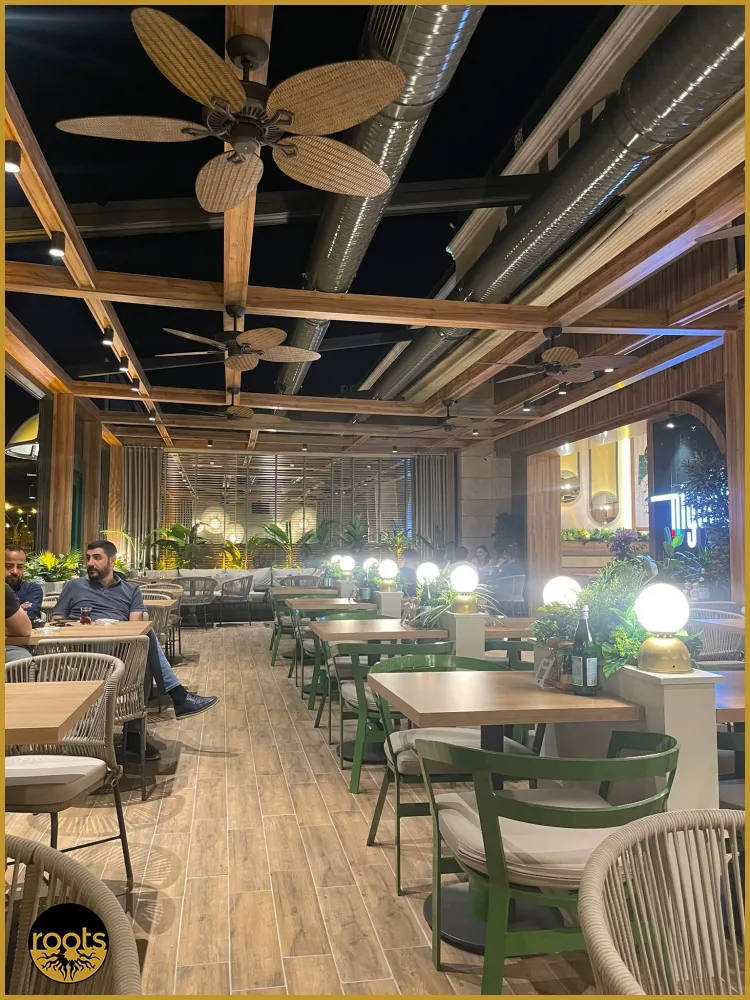
Restaurant Interior Architecture and Interior Designs: Transform Your Space
In the success of a restaurant, along with the menu and service quality, the atmosphere and aesthetics of the space also play a critical role. Restaurant interior architecture and interior designs not only offer visual beauty, but also directly affect the customer experience, strengthen brand identity and increase operational efficiency. This comprehensive guide provides all the information to guide you through the process of choosing the right interior design for your restaurant.
Why Is Professional Restaurant Interior Design Important?
The interior of your restaurant tells a story for your customers. A well-designed space offers a warm welcome, creates a comfortable atmosphere and encourages visitors to stay longer. A restaurant interior architect or designer offers solutions that maximize both the aesthetic and functional potential of the space. This covers a wide range, from the right lighting arrangement to furniture choices, from the color palette to acoustic management.
Functions and Benefits of Restaurant Design
- Improving the Customer Experience: Comfortable seating areas, good lighting and a smooth circulation area make customers feel special.
- Reflecting Brand Identity: Design visually communicates your restaurant's concept, style and values. A classic, modern, rustic or thematic theme should be consistent throughout the space.
- Operational Efficiency: A well-thought-out layout enables your staff to serve faster and more effectively. Optimizing the flow between the kitchen, service area and customer seating areas is important.
- Increasing the Potential of the Space: Even in limited areas, more seating capacity can be created with creative solutions and the atmosphere of the space can be enriched.
- Cost Savings: The correct selection of long-lasting and durable materials reduces maintenance and replacement costs in the long term.
Who Is It Suitable For?
Professional restaurant interior architecture designs should be preferred in the following situations:
- Entrepreneurs who will open a new restaurant.
- Operators who want to modernize the atmosphere and functionality of their existing restaurant.
- Restaurant owners who want to strengthen their brand image and increase customer satisfaction.
- Businesses that want to stand out in a highly competitive environment.
- Anyone who wants professional support regarding the aesthetics and comfort of the space.
Which Needs Does It Meet?
Effective restaurant design meets many basic needs:
- Visual Aesthetics: Ensures the space looks attractive and inviting.
- Comfort and Convenience: Seating arrangements and an overall atmosphere that ensure the comfort of customers and staff.
- Functionality: A practical layout for kitchen operations, service flow and customer circulation.
- Acoustic Control: Prevents excessive noise and offers a more enjoyable conversation environment.
- Lighting Planning: Lighting solutions suited to different times of the day and the purpose of the space.
- Material Selection: The use of materials that meet durability, hygiene and aesthetic requirements.
When Should It Be Preferred?
Restaurant interior design is especially important in the following situations:
- New Restaurant Openings: The first impression is vital in establishing brand identity.
- Renovation and Renewal Projects: Updating the existing space increases customer appeal and raises competitiveness.
- Concept Changes: A change in the restaurant's menu or target audience may require the space design to adapt to this new concept as well.
- Existing Space Problems: To solve operational or customer satisfaction problems such as poor flow, inadequate lighting, disturbing acoustics.
What Are Its Distinguishing Aspects from Alternatives?
Instead of ready-made decoration packages or random arrangements you would make on your own, professional restaurant interior architecture designs offer the following advantages:
- Expertise and Experience: Designers know industry trends, material knowledge and space planning based on human psychology.
- Originality and Brand Integration: Unique and memorable designs specific to the identity of your space are developed.
- Functional Optimization: Solutions are offered that are not only beautiful but also increase operational efficiency.
- Technical Knowledge: Technical details such as lighting, ventilation and sound insulation are taken into consideration.
- Budget Management: The budget is adhered to throughout the design process and potential surprise costs are minimized.
Material Selection: Durability, Area of Use and Cost Comparison
Materials used in restaurants are of great importance in terms of both aesthetics and functionality. Here is a comparison of some commonly used materials:
| Material Type | Durability | Area of Use (Indoor/Outdoor) | Cost (Average) |
|---|---|---|---|
| Laminate Parquet | Medium - High | Indoor | Low - Medium |
| Natural Wood Veneer | High (with Maintenance) | Indoor | Medium - High |
| Ceramic / Porcelain Tile | Very High | Indoor and Outdoor | Medium |
| Epoxy Flooring | Very High | Indoor and Outdoor (Suitable Type) | Medium |
| Concrete (Polished / Decorative) | Very High | Indoor and Outdoor | Low - Medium |
| Natural Stone (Granite, Marble, etc.) | High | Indoor and Outdoor | High |
| Metal (Stainless Steel, Iron, etc.) | Very High | Indoor and Outdoor | Medium - High |
Costs reflect a general average and may vary depending on material quality, brand and application details.
Things to Consider Before Purchasing
Before receiving restaurant interior design services or choosing materials, it is important to pay attention to the following points:
- Determining the Concept: Determine a concept that is compatible with your restaurant's identity, target audience and the type of cuisine it will offer.
- Determining the Budget: Create a clear budget for design, materials, application and possible additional costs.
- Reviewing References and Portfolios: Review the designers' previous work and evaluate whether their style suits you.
- Communication and Understanding: Establish clear and open communication with the design team and convey your expectations accurately. Make sure the designer understands your vision.
- Emphasis on Functionality: State that you want a design that meets the operational needs of the space as well as aesthetics.
- Material Quality and Maintenance: Learn about the durability, ease of cleaning and maintenance requirements of the materials to be selected.
- Legal Regulations and Standards: Request a design that complies with legal regulations applicable to restaurants, such as fire safety, hygiene and disabled access.
- Details of the Design Process: Get clear information on matters such as how many stages the design will consist of, revision rights and delivery time.
Frequently Asked Questions (FAQ)
To maximize your restaurant's potential, strengthen your brand identity and offer an unforgettable customer experience, benefiting from professional restaurant interior architecture and interior design services is one of the smartest investments in the long term.











































































