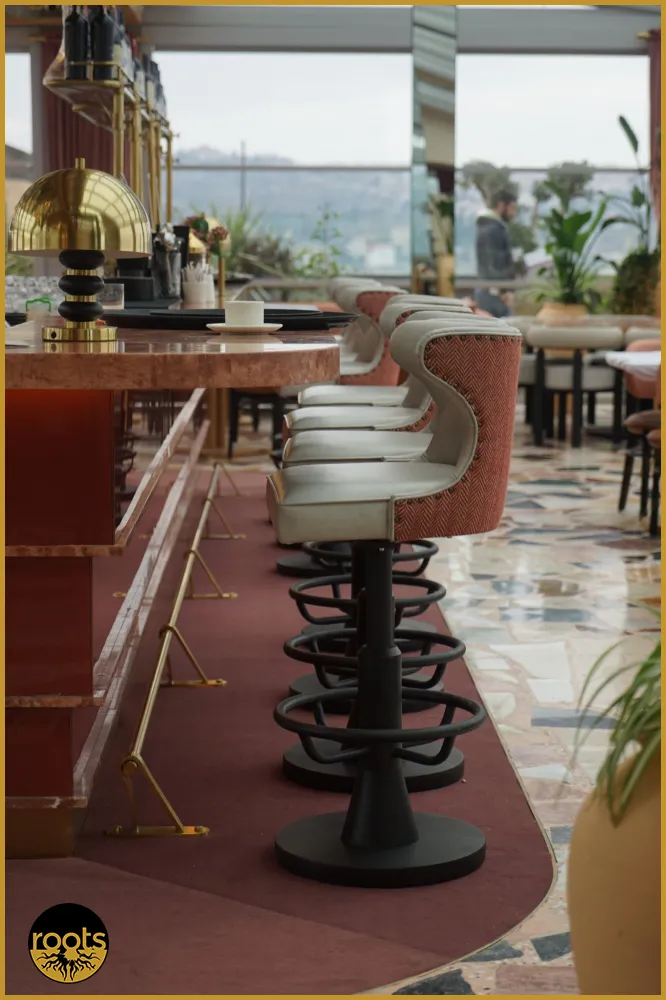
LUXURY RESTAURANT DECORATIONS - RESTAURANT INTERIOR DESIGNS
An impressive interior design that reflects your restaurant's identity and brand value is not only an aesthetic choice but also a strategic investment that directly affects the customer experience. Luxury restaurant decorations offer your guests an unforgettable atmosphere, encouraging them to come back again and again. In this comprehensive guide, you can find all the details to help you choose the most suitable interior design for your restaurant.
What Is Luxury Restaurant Decoration and Why Is It Important?
Luxury restaurant decoration is a design approach that encompasses the venue's overall ambiance, furniture, lighting, color palette and accessories, aiming to offer your guests a high-level experience. Such designs are generally characterized by quality materials, special craftsmanship and attention to detail.
Why Is It Important?
- First Impression: When customers enter the venue, the first thing they encounter is the atmosphere. A luxury decoration leaves a strong first impression about the quality of your venue.
- Customer Experience: A comfortable and stylish environment enriches guests' dining experience. Comfortable seating arrangements, pleasant lighting and aesthetic details ensure an enjoyable time.
- Brand Positioning: The design should be in harmony with the cuisine and service quality your restaurant offers. A luxury decoration helps create an upper-segment brand image.
- Competitive Advantage: In a highly competitive environment, a distinctive and attractive venue design can set you one step ahead of your competitors.
- Social Media Impact: Aesthetically striking venues encourage guests to take photos and share them on social media, which creates a natural marketing channel.
Which Needs Does Luxury Restaurant Interior Design Meet?
An effective luxury restaurant interior design responds to multiple needs:
- Aesthetics and Visual Appeal: The venue being visually appealing beautifies the overall atmosphere.
- Comfort and Ergonomics: An arrangement is provided where guests can sit comfortably, move around and use all elements easily.
- Functionality: An arrangement that facilitates service flow, enables staff to work comfortably and increases customer satisfaction is important.
- Acoustic Control: Sound insulation and acoustic solutions are considered for the calm and conversational environment generally desired in luxury venues.
- Lighting Strategy: The right lighting both determines the ambiance and beautifies the presentation of the food on the tables.
- Capacity and Flow Management: How many people the venue will serve, the layout of the tables and the overall customer traffic are taken into consideration.
Who Are Luxury Restaurant Decorations Suitable For?
Luxury restaurant decorations are generally ideal for businesses and entrepreneurs with the following profile:
- Those Offering Upper-Segment Cuisine: Fine-dining restaurants, venues offering special chef experiences.
- Corporate Event and Reception Venues: Those looking for stylish venues for private receptions, company dinners and celebrations.
- Those Appealing to Experience-Oriented Customers: Those targeting customers seeking not only food but also an atmosphere and an enjoyable experience.
- Those Wanting to Keep Brand Value High: Those wanting to highlight the prestige and professionalism of their business.
- Those with a Specific Theme or Concept: Those wanting to give their venue a unique identity.
Things to Consider in Luxury Restaurant Decoration
The fundamental elements to consider when starting a luxury restaurant decoration project are as follows:
- The Venue's Own Characteristics: Factors such as the existing structure, ceiling height and window position form the basis of the design.
- Target Audience Analysis: The expectations and lifestyles of the customer base your restaurant targets should be taken into account.
- Budget Determination: A luxury decoration generally requires a higher budget. Therefore, detailed budgeting should be done.
- Material Selection: Choosing durable, aesthetic and venue-appropriate materials will be a long-term investment.
- Lighting Plan: The balance of general lighting, task lighting and ambiance lighting should be well established.
- Furniture Selection: Comfortable, stylish and venue-appropriate furniture should be selected. Seating arrangements directly affect the user experience.
- Acoustic Arrangements: Solutions that will keep noise under control and provide a comfortable listening environment should be considered.
- Details and Accessories: Details such as paintings, plants, mirrors and decorative objects complete the character of the venue.
- Professional Support: Getting support from interior architects and design experts can make the process more efficient.
Comparison of Different Material Types (Bootstrap Table)
Below is a comparison of some material types frequently used in luxury restaurant designs, on the axis of durability, area of use and cost:
| Material Type | Durability | Interior/Exterior Architectural Use | Cost (Relative) | Prominent Features |
|---|---|---|---|---|
| Natural Stone (Marble, Granite) | High | Interior and Exterior (with suitable treatments) | High | Elegant, Prestigious, Natural Beauty |
| Solid Wood | Medium-High (depends on maintenance) | Mainly Interior (special treatments required for exterior) | Medium-High | Warm, Natural, Becomes More Beautiful Over Time |
| Metal (Stainless Steel, Brass, Bronze) | High | Interior and Exterior | Medium-High | Modern, Industrial, Durable, Stylish |
| High-Quality Fabrics (Velvet, Silk Blends) | Medium (depends on use and maintenance) | Interior Only | Medium-High | Luxurious, Comfortable, Textural Richness |
| Leather (Natural Leather) | High (with maintenance) | Interior Only | High | Classic, Comfortable, Luxurious |
| Concrete (Decorative) | High | Interior and Exterior | Medium | Modern, Industrial, Durable |
What Are Luxury Restaurant Decoration Alternatives and What Are the Differences Between Them?
Luxury restaurant decorations can vary according to different styles and concepts. Some popular approaches and the main differences between them are as follows:
- Modern and Minimalist Luxury: Clean lines, neutral colors, high-quality and minimalist furniture, and clean surfaces dominate. Functionality and aesthetics are at the forefront. Complex details are avoided.
- Classic and Baroque Luxury: Rich textures, carved furniture, showy chandeliers, deep color palettes and detailed ornaments are at the forefront. It offers a timeless elegance.
- Industrial Luxury: Raw materials (concrete, metal, wood), exposed pipes and ceilings, and industrial-design lighting create a modern and sophisticated atmosphere.
- Bohemian Luxury: Patterns inspired by different cultures and natural materials are combined with a relaxed and friendly atmosphere. It is a more personal and eclectic approach.
- Artistic Luxury: The space itself is designed like a work of art. Custom-made artworks, sculptures and original design furniture are used.
Main Differences:
- Level of Detail: While classic designs are more detailed and ornate, modern designs are more plain and linear.
- Color Palette: While modern designs generally use neutral and pastel tones, classic designs may prefer more saturated and dark colors.
- Material Use: While raw and unfinished materials stand out in industrial designs, more polished and elegant materials are used in classic designs.
- Atmosphere: Each style creates a different emotional effect. While modern luxury is sophisticated and elegant, bohemian luxury is more relaxed and friendly.
Question & Answer Section
Tips to Support the Decision-Making Process
The following tips can make your decision-making process easier when choosing the most suitable luxury decoration style and elements for your restaurant:
- Gather Sources of Inspiration: Create a visual reference pool by examining Pinterest, Instagram, design magazines and successful restaurants with a similar concept.
- Plan the Customer Journey: Design each area by considering the experience the customer will have during entry to the venue, seating, eating their meal and leaving.
- Think Long-Term: Evaluate how the decoration and materials you choose will look over time, their durability and maintenance requirements.
- Do Not Compromise on Functionality: Make sure that luxury aesthetics do not negatively affect the service flow or staff efficiency.
- Integrate Technology: Elements such as smart lighting systems, concealed technological infrastructures or digital menus can complement the luxury experience.
- Get Professional Advice: Working with an interior architect or designer reduces the margin of error and ensures that the aesthetic-functional balance is established in the best way.
Luxury restaurant decorations are an important investment area that strengthens the identity of your business, increases customer loyalty and positively affects your overall profitability. Paying attention to these details is of great importance to maximize the potential of your venue and give your guests unforgettable moments.











































































