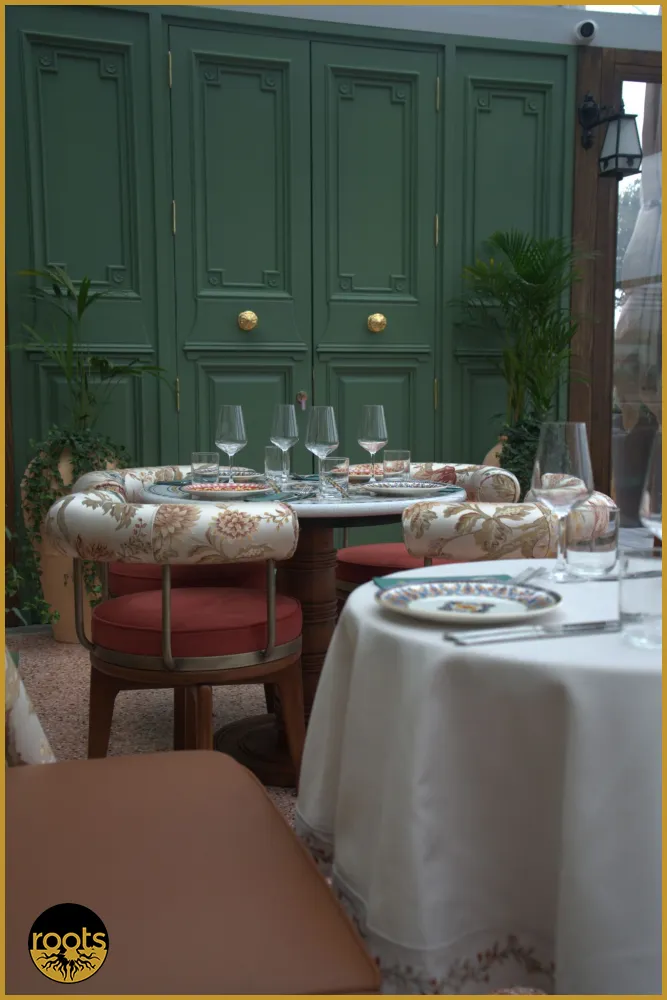
Aesthetics and Functionality in Restaurant Table and Chair Selection
One of the most fundamental elements that defines a restaurant's identity is the table and chair arrangement where guests spend their time. In commercial spaces, furniture selection is not only a visual preference but also a strategic decision that directly affects operational efficiency and customer satisfaction. RESTAURANT TABLE CHAIR MODELS - RESTAURANT CHAIR TABLES should be evaluated across a wide range, from the venue's concept to the target audience's expectations, from the physical conditions of the usage area to long-term maintenance costs.
Why Is Choosing the Right Model Important?
Furniture used in high-traffic areas such as restaurants, cafes and hotels must have high durability standards, unlike household furniture. A correctly chosen model improves the venue's acoustic balance, optimizes customers' length of stay thanks to seating comfort, and offers the advantage of easy cleaning in operational processes. Wrong choices, on the other hand, can damage the business's image due to surfaces that wear out quickly, wobbly tables and non-ergonomic seating areas.
Comparison and Analysis by Material Types
The materials used in restaurant furniture determine both the lifespan of the product and its price-performance balance. While wood, which generally creates a warm atmosphere in indoor spaces, and marble, which offers a luxurious look, are preferred; in outdoor spaces, weather-resistant metal and synthetic materials come to the fore.
| Material Type | Durability Level | Usage Area | Cost Axis |
|---|---|---|---|
| Solid Wood | High (Requires Maintenance) | Indoor / Enclosed Terrace | Medium - High |
| Metal / Aluminium | Very High | Indoor and Outdoor | Medium |
| Marble / Natural Stone | High (Sensitive to Stains) | Indoor | High |
| Compact Laminate | High | Outdoor / Fast Food | Economical - Medium |
| Polypropylene (Plastic) | Medium - High | Garden / Poolside | Economical |
Critical Points to Consider Before Purchasing
Considering the following criteria when establishing a new business or renewing your existing furniture will accelerate the return on your investment:
- Ergonomics and Dimensions: The balance between the height of the tables from the floor (generally 75 cm) and the seat height of the chairs (45 cm) must be maintained. In addition, the passage distance left between tables affects service quality.
- Weight and Mobility: Chairs being easily pullable and tables being combinable when necessary (modular structure) provide flexibility during busy hours.
- Floor Compatibility: The quality of rubber or plastic glides must be checked to ensure the chosen leg structure does not scratch the floor.
- Fabric Technology: In upholstered chairs, fabrics that are stain-resistant, have a flame-retardant certificate and a high abrasion resistance (Martindale test) should be preferred.
- Stackability: Especially in outdoor products, chairs being able to stack on top of each other when the venue closes is a great advantage in terms of storage.
Differences Between Alternatives
Restaurant table chairs are divided into three main design axes: "Industrial", "Modern" and "Classic". Industrial models are generally formed by the combination of metal and raw wood and are ideal for loft-style venues with high ceilings. While modern models have minimalist lines, classic models are heavier designs with intense upholstery details. When making a selection, every detail, from the venue's lighting fixtures to the wall colour, must be compatible with the furniture.
Frequently Asked Questions (FAQ)
A Result-Oriented Selection Process
When determining the most suitable restaurant table chair models for your business, you should prioritize the customer experience the product will offer as much as the cost. Furniture designed with quality materials and correct ergonomics ensures that your guests spend more quality time in your venue. During the selection process, you should also definitely inquire about the products' after-sales support and spare parts (foot glides, upholstery repair, etc.) availability. It should not be forgotten that; the right furniture investment is not only the decoration of a restaurant, but also the cornerstone of its operational sustainability.











































































