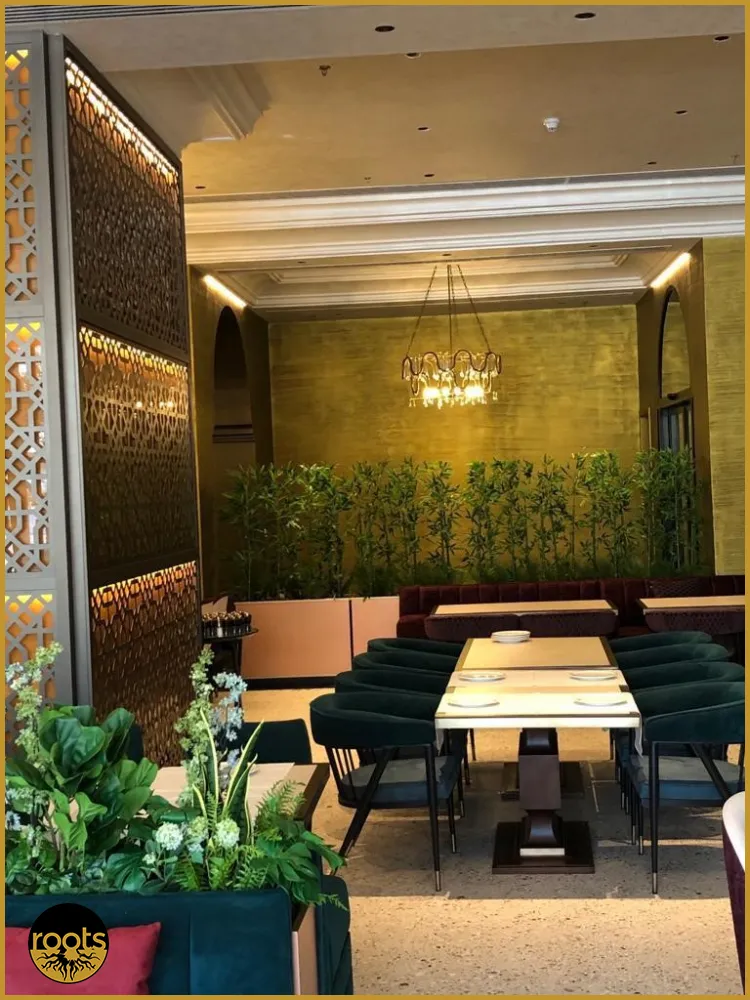
Professional Architectural and Interior Design for Your Restaurant
What Is Architectural Restaurant Design?
The architectural design of your restaurant is not just about walls, floors and ceilings. It is a comprehensive process that holistically addresses the overall aesthetics, functionality, brand identity and customer experience of the space. A successful architectural restaurant design creates a positive impression from the very first moment your guests step into the space, offers them an unforgettable experience and contributes directly to the success of your business.
In line with the concept of the space, this process includes:
- floor plan arrangements that optimize the flow and use of the space,
- interior aesthetics that offer your visitors a visual feast,
- the atmosphere created through lighting, color palette and material choices,
- the functionality of operational areas such as the kitchen, service area and restrooms,
- and details that reflect the values of your brand.
What Do Restaurant Interior Designs Do?
A high-quality restaurant interior design provides versatile benefits for your business:
- Improves the Customer Experience: Comfortable seating areas, a pleasant atmosphere and the spaciousness of the space increase how long your guests stay and their desire to visit again.
- Strengthens Brand Identity: Design visually conveys the concept, story and values of your restaurant, ensuring your brand is memorable.
- Increases Operational Efficiency: A well-planned kitchen and service area allow staff to work faster and more efficiently, raising service quality.
- Adds Visual Appeal: Aesthetically pleasing spaces are shared more on social media, which creates a natural marketing effect.
- Increases the Value of the Space: Professional design raises the overall value of your business and its competitive strength in the market.
Who Is Architectural Restaurant Design Suitable For?
This service is ideal for all businesses in the following situations:
- Restaurants About to Open: To obtain the most suitable and functional solutions for your concept when designing a space from scratch.
- Those Who Want to Renovate Their Existing Restaurants: Those who want to modernize their spaces that have aged or no longer meet their needs, and increase customer satisfaction and operational efficiency.
- Those Who Want to Strengthen Their Brand Identity: Those planning a visual transformation to better reflect the concept and values of their restaurant.
- Those Who Want to Differentiate Themselves in Competition: Business owners who want to stand out from their competitors and offer their guests a unique experience.
- Those Who Want to Create a Specific Atmosphere: Those who want to create environments suited to different concepts such as gourmet, bistro, fine dining, family restaurant and themed cafe.
Which Needs Does It Meet?
Professional architectural restaurant design meets the following fundamental needs of your business:
- Functional Use of the Space: Planning elements such as seating arrangements, service routes, kitchen access and restroom placement in the most efficient way.
- Creating Aesthetics and Atmosphere: Creating an atmosphere that appeals to the target audience with colors, materials, lighting and decorative elements suited to the concept of the space.
- Customer Comfort: Ensuring the comfort of guests with ergonomic seating arrangements, appropriate sound insulation, ideal lighting levels and a sense of spaciousness.
- Brand Alignment: Reflecting the brand identity, logo and overall concept of the restaurant in every detail of the design.
- Compliance with Legal Regulations: Creating designs that comply with sectoral and legal standards such as fire safety and disabled access.
In Which Situations Should It Be Preferred?
Architectural restaurant design should especially be preferred in the following situations:
- In situations where the existing structure of the space makes its use difficult.
- When the space falls short of creating the impression you want on your guests.
- When a new concept or brand identity is to be created.
- When the goal is to increase the competitive strength of the existing space and attract more customers.
- When efficiency problems are experienced in kitchen and service operations.
- When spaces need to be made safe, accessible and compliant with current standards.
In What Ways Does It Differ from Its Alternatives?
Architectural restaurant design offers much more than just decoration or simple renovation work. Its main differences are as follows:
- Holistic Approach: It focuses not only on aesthetics but also on functionality, customer experience and brand strategy.
- Professional Expertise: Architects and designers produce solutions by considering the use and flow of spaces and human psychology.
- Long-Term Investment: A well-made design ensures that your business remains efficient and attractive for many years.
- Technical Knowledge: It covers technical details such as material knowledge, static requirements and lighting principles.
- Customization: It offers fully bespoke solutions in line with the unique concept and needs of each restaurant.
Material Selection and Features
The materials used in restaurant design directly affect both the aesthetics and the durability of the space. A comparison of different material types is presented below:
| Material Type | Durability | Indoor Use | Outdoor Use | Cost (General Assessment) |
|---|---|---|---|---|
| Natural Stone (Granite, Marble, etc.) | Very High | Flooring, wall cladding, countertops | Can be applied to suitable surfaces (may require special treatment) | High |
| Ceramic and Porcelain Tiles | High | Flooring, wall cladding, kitchen areas | Outdoor ceramics are suitable | Medium |
| Wood (Solid, Veneer, Composite) | Medium-High (requires maintenance) | Flooring, wall cladding, furniture, ceiling details | Can be used with suitable impregnation and protection | Medium-High |
| Concrete (Polished, Decorative) | Very High | Flooring, walls, countertops | Suitable for outdoor applications | Low-Medium |
| Metal (Stainless Steel, Aluminum, etc.) | Very High | Kitchen equipment, lighting elements, details | Varieties suitable for outdoor use are available | Medium-High |
| Glass (Tempered, Decorative) | Medium (sensitive to impacts) | Partition walls, doors, lighting, decorative elements | Exterior facade claddings (special systems) | Medium |
| Textile (Fabrics, Leather) | Medium (depends on use and maintenance) | Upholstery, curtains, decorative cladding | Not suitable, for indoor areas | Variable (depending on quality) |
Frequently Asked Questions (FAQ)
If customer satisfaction in your space is low, if your staff's working area is inefficient, if the overall atmosphere of the space does not match your brand identity, or if the decoration of the space has become outdated, it means you need a successful architectural design. In addition, professional design is essential to differentiate yourself from your competitors and reach a wider customer base.
The duration of the design process varies depending on the size and complexity of the project, the analysis of the current situation and the speed of your feedback. In general, while concept development, drawings and project presentation may take a few weeks, the preparation of detail projects and the completion of implementation projects may take longer depending on the scope of the project.
Architectural design covers the overall planning of the building, its exterior appearance, its structural elements and the functional organization of the spaces. Interior design, on the other hand, arranges the visual and sensory experience within this architectural structure; it includes colors, materials, furniture, lighting and decorative elements. In restaurant design, these two fields work in an integrated way.
Lighting is one of the most critical elements that determine the atmosphere and ambience of a restaurant. The right lighting can enhance the warmth, intimacy or energy of a space, strengthen the visual appeal of the dishes and make guests feel comfortable. By using different types of lighting (general, task, accent lighting), the desired effect can easily be created.
Yes, sustainability is becoming increasingly important in today's design. Elements such as energy-efficient lighting systems, the use of recycled or locally sourced materials, and water-saving fixtures both help you project an environmentally conscious image and can reduce operating costs in the long term.
Things to Consider Before Purchasing
Paying attention to the following points before receiving a professional architectural restaurant design service will ensure that the process proceeds smoothly and meets your expectations:
- Define a Clear Concept: Clearly define what type of cuisine your restaurant will have, your target audience and the atmosphere you want to create.
- Determine Your Budget: Clarify the budget you have allocated for design and implementation. This will help the design team offer you the most suitable solutions.
- Review References: Review the design team's previous restaurant projects. Check whether their style matches your vision.
- Communication and Trust: Make sure you can establish open and honest communication with the design team. A relationship built on trust throughout the process is important.
- Ask About All Details: Get information about project outputs such as floor plans, 3D visuals, material lists and implementation details.
- Contract Details: Sign a contract that includes the scope of service, payment terms, project delivery dates and revision rights.
- Prepare the Current Condition of Your Space: Provide the design team with information such as the measurements and photos of your current space and, if available, old plans.











































































