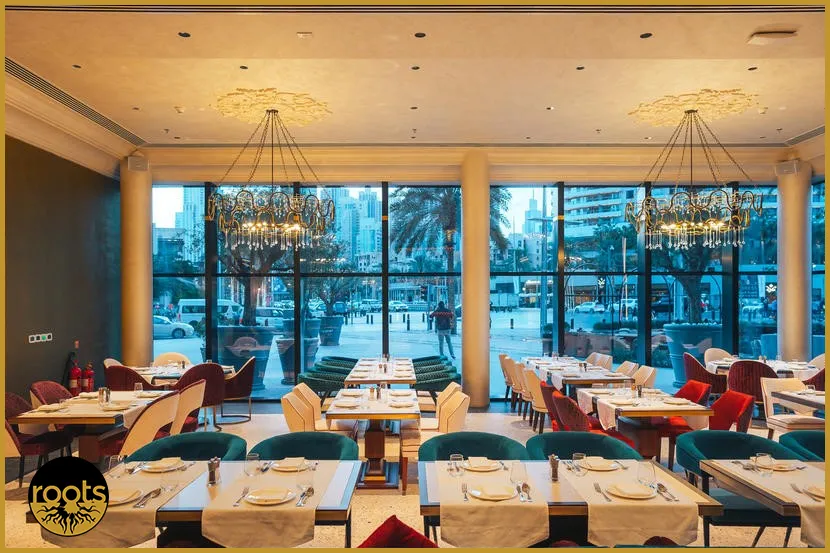
Architectural Restaurant Design and Functional Aesthetics
The success of a restaurant is directly related not only to the quality of the menu offered but also to the atmosphere in which guests find themselves. Architectural restaurant design goes beyond aesthetic concerns; it is where operational efficiency, customer psychology and brand identity meet on a physical plane. A professional restaurant interior design turns every square meter of the space into an investment tool.
Main Objectives and Contributions of Interior Design
The architectural design process aims to maximize the potential of the space. A well-constructed design meets the following basic needs:
- Workflow and Efficiency: Establishing the balance between the movement area of the service staff and the comfort area of the customers increases operational speed.
- Customer Experience: Lighting, acoustics and furniture layout affect the time customers spend in the space and their desire to return.
- Brand Story: The design creates a visual language compatible with the culinary culture the restaurant offers (fine-dining, fast-casual, etc.).
- Cost Management: The right material selection minimizes maintenance and repair costs in the long term.
Who Is It Suitable For?
Professional design services are of critical importance for entrepreneurs in the process of establishing a new business, restaurant owners who want to modernize their existing space, and franchise chains. A professional architectural touch is essential in every case where the space must not only look "beautiful" but also be compliant with hygiene standards, safe and sustainable.
Material Selection and Criteria in the Design Process
When selecting materials in restaurant designs, durability and cleanability should be prioritized as much as aesthetics. The following table compares frequently preferred material types from different perspectives:
| Material Type | Durability Level | Area of Use | Cost Level |
|---|---|---|---|
| Natural Stone / Marble | Very High | Floor, Countertop, Feature Walls | High |
| Industrial Metal | High | Kitchen, Exposed Ceiling, Accessories | Medium - High |
| Solid Wood | Medium - High | Furniture, Flooring | Variable |
| Composite Panels | High | Exterior Facade, Wet Areas | Medium |
Differences Between Alternative Approaches
Restaurant designs differ according to the service model. For example, while livelier colors and hard-surfaced furniture are preferred in a fast-food restaurant to accelerate circulation, acoustic comfort, dim lighting and soft textile products come to the fore in an a la carte restaurant design. Architectural design analyzes these needs and produces solutions specific to the space.
Points to Consider Before Purchasing and Implementation
Before receiving a design service or entering the implementation process, the following points must be evaluated:
- Infrastructure Suitability: It should be checked whether the ventilation, plumbing and electrical infrastructure are compatible with the kitchen equipment and lighting plan.
- Lighting Strategy: The natural light the space receives during the day should be balanced with the artificial light to be used for the evening ambiance.
- Acoustic Solutions: The use of absorbent materials to prevent sound reverberation in high-ceilinged or large areas increases comfort.
- Ergonomics: Details such as table and chair heights and the width of passageways directly affect customer satisfaction.
Frequently Asked Questions
Depending on the size of the space and the complexity of the concept, the design process usually ranges from 2 to 6 weeks. The implementation phase, on the other hand, varies depending on the procurement time of the selected materials.
Yes, square meter efficiency is much more critical in small spaces. Professional planning ensures maximum seating capacity and a spacious look in narrow areas.
Correct lighting automation and energy-efficient materials reduce operating expenses. In addition, choosing durable materials eliminates the need for long-term renovation.
In conclusion, architectural restaurant design is not merely a decoration activity; it is a strategic engineering effort that shapes a business's long-term success. A well-planned interior design increases your brand's value while offering your guests an atmosphere that creates unforgettable moments. Seeking expert opinion during the decision-making process allows you to use your budget most efficiently by preventing technical and aesthetic errors.











































































