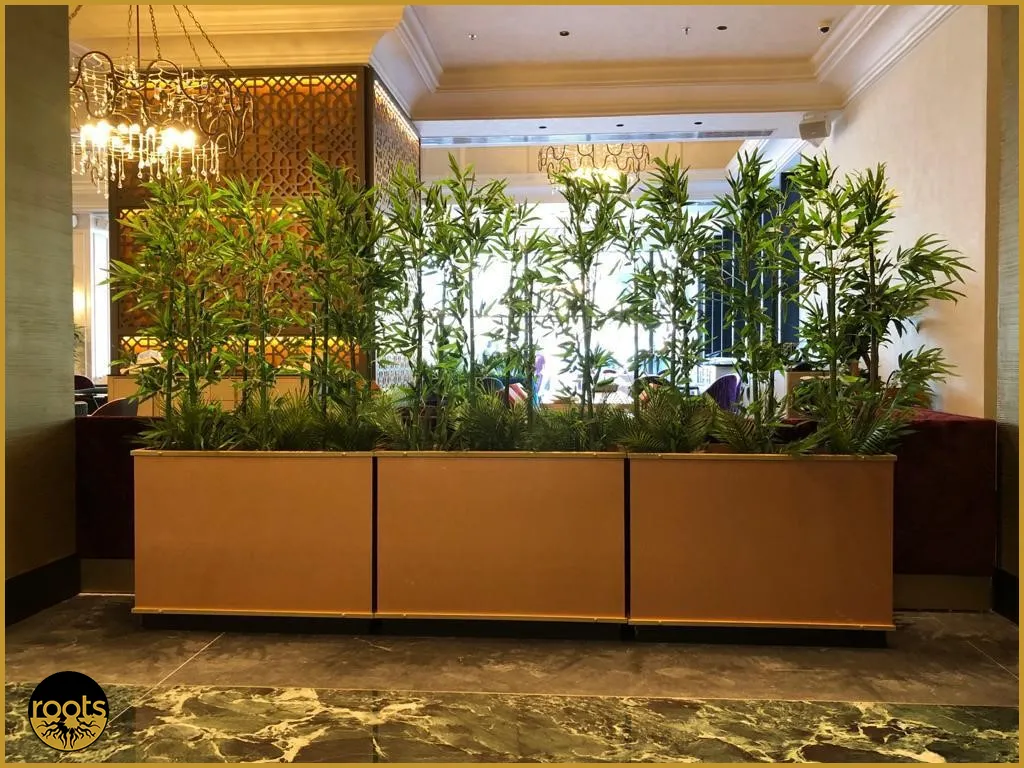
Architectural Restaurant Design and Interior Solutions
Professional Design Services That Add Value to Your Space and Reflect Your Concept
What Is Restaurant Design and Why Is It Important?
Restaurant design does not only address aesthetic concerns; it is also a critical element that directly affects the success of a business. Architectural restaurant design is a comprehensive process that brings together the physical space where you host your guests, your brand identity, the flavors you offer and the expectations of your target audience. A well-designed restaurant offers your guests an unforgettable experience while also increasing operational efficiency.
In this process, many details such as the atmosphere of the space, its lighting, the layout of the furniture, material selections and even the planning of the kitchen and service areas are handled meticulously. Architectural interior designs, as part of this holistic approach, aim to design every square centimeter of the guest areas that form the heart of your restaurant in functional and aesthetic harmony.
Who Is It Suitable For?
Architectural restaurant design and interior designs are ideal for the following groups:
- Entrepreneurs planning to open a new restaurant, cafe or bar.
- Operators who want to renew the concept of their existing business or strengthen their brand identity.
- Those aiming to improve the customer experience and create a more attractive atmosphere.
- Those who want to increase operational efficiency and maximize the potential of the space.
- Those who want to design original spaces suitable for different culinary concepts (fine dining, fast food, steakhouse, world cuisine, etc.).
Which Needs Does It Meet?
Professional restaurant design meets many fundamental needs of your business:
Spatial Needs:
- Maximum capacity and flow optimization: Space planning that allows guests to move comfortably and service staff to work efficiently.
- Different seating arrangements: Suitable tables and seating areas for private groups, couples or large families.
- Functional areas: Integration of areas such as the waiting area, bar, kitchen, service corridors and restrooms.
Aesthetic and Concept Needs:
- Atmosphere reflecting brand identity: Telling your brand's story through colors, textures and style.
- Design suited to the target audience: An environment that appeals to your customer profile and meets their expectations.
- Unforgettable guest experience: Creating a comfortable and inviting atmosphere that appeals to the senses.
Operational and Technical Needs:
- Lighting design: Determining the ambiance of the space and increasing functionality with the right lighting.
- Acoustic arrangements: Sound insulation and echo control to provide a comfortable listening environment.
- Material selection: Materials with low maintenance costs that meet durability, hygiene and aesthetic criteria.
- Kitchen and service areas: Arrangements that enable staff to work efficiently and comply with hygiene standards.
In Which Situations Should It Be Preferred?
Restaurant design decisions should be shaped according to the current situation and future goals of your business:
- When Establishing a New Business: To lay a solid foundation for the business, make the right first impression and aim for long-term success.
- When Renovating an Existing Space: To increase competitiveness by updating spaces that have become outdated, unfashionable or inadequate over time.
- When Strengthening Brand Identity: To create a consistent visual identity in harmony with your restaurant's logo, menu and the services it offers.
- When Trying a Different Concept: When a fundamental concept change is made or a transition to a new type of cuisine occurs, and the space also needs to support this change.
- When Solving Operational Problems: To solve problems such as inadequate use of space, poor lighting or inefficient service flow.
Aspects That Differentiate It from Alternatives
Architectural restaurant design goes beyond the traditional understanding of decoration and combines scientific and artistic principles to maximize your business's potential:
- Holistic Approach: Instead of focusing only on visual appeal, it addresses all elements such as the functionality of the space, guest experience, staff efficiency and brand identity together.
- Concept-Oriented Design: It creates a unique atmosphere fully in harmony with the dining experience your restaurant offers and its target audience.
- Spatial Optimization: By using the space in the most efficient way, it both offers guests a comfortable area and provides maximum benefit for the business.
- Mastery of Technical Details: With expert knowledge in technical matters such as lighting, acoustics, ventilation and material selection, it ensures that the space is flawless both aesthetically and functionally.
- Long-Term Investment: It is not just a solution that saves the day, but a strategic investment in your business's future.
Points to Consider in Material Selection
In restaurant interior designs, material selection is of great importance in terms of the overall appearance of the space, durability, hygiene standards and maintenance costs. Here is a comparison of some common material types:
| Material Type | Durability | Interior/Exterior Architectural Use | Cost (General Assessment) | Prominent Features |
|---|---|---|---|---|
| Natural Stone (Marble, Granite) | Very High | Both Interior and Exterior | High | Luxurious appearance, durable, hygienic (after treatment) |
| Wood (Solid, Veneer) | Medium - High (depending on treatment) | Generally Interior, Exterior with Special Treatments | Medium - High | Warm and natural atmosphere, aesthetic variety |
| Ceramic and Porcelain Tiles | High | Both Interior and Exterior | Low - Medium | Hygienic, easy to clean, wide range of patterns and colors |
| Concrete and Micro Concrete | High | Both Interior and Exterior | Medium | Industrial and modern appearance, durable |
| Metal (Stainless Steel, Iron) | High | Both Interior and Exterior | Medium - High | Modern, industrial, durable (varies depending on coating) |
| High-Pressure Laminate (HPL) | High | Generally Interior, Exterior with Special Series | Low - Medium | Stain-resistant, scratch-resistant, hygienic, wide variety of surface options |
| Textiles and Upholstery Fabrics | Medium - High (depending on quality) | Generally Interior | Low - High | Comfort, variety of colors and textures, contribution to acoustic arrangement |
Material selection should be made by an expert architect based on factors such as the venue's concept, budget, frequency of use and required level of maintenance.
Things to Consider Before Purchasing (or Project Design)
Before starting a restaurant project design process or opening an existing venue to design, attention should be paid to the following points:
- Determining a Clear Concept: Who is your target audience? Which cuisine will you offer? What should the atmosphere of your venue be like? The answers to these questions will form the foundation of the design.
- Budget Planning: Setting a realistic budget for design, construction, furniture, equipment and decoration ensures the process proceeds smoothly.
- Venue Analysis: The advantages, disadvantages, legal restrictions and infrastructure status (electricity, water, ventilation, etc.) of the existing venue should be examined in detail.
- Knowing the Target Audience: It is essential that the design meets and appeals to the expectations of the customer group you are addressing.
- Considering Operational Flow: The efficient integration of kitchen, service, bar and customer areas directly affects the daily operation of the business.
- Getting Professional Support: Working with an experienced architect or interior architect prevents potential mistakes, offers creative solutions and helps you use your budget in the most efficient way.
- Legal Permits and Regulations: It is important to research the necessary legal permits and local regulations for construction and renovation processes in advance.











































































