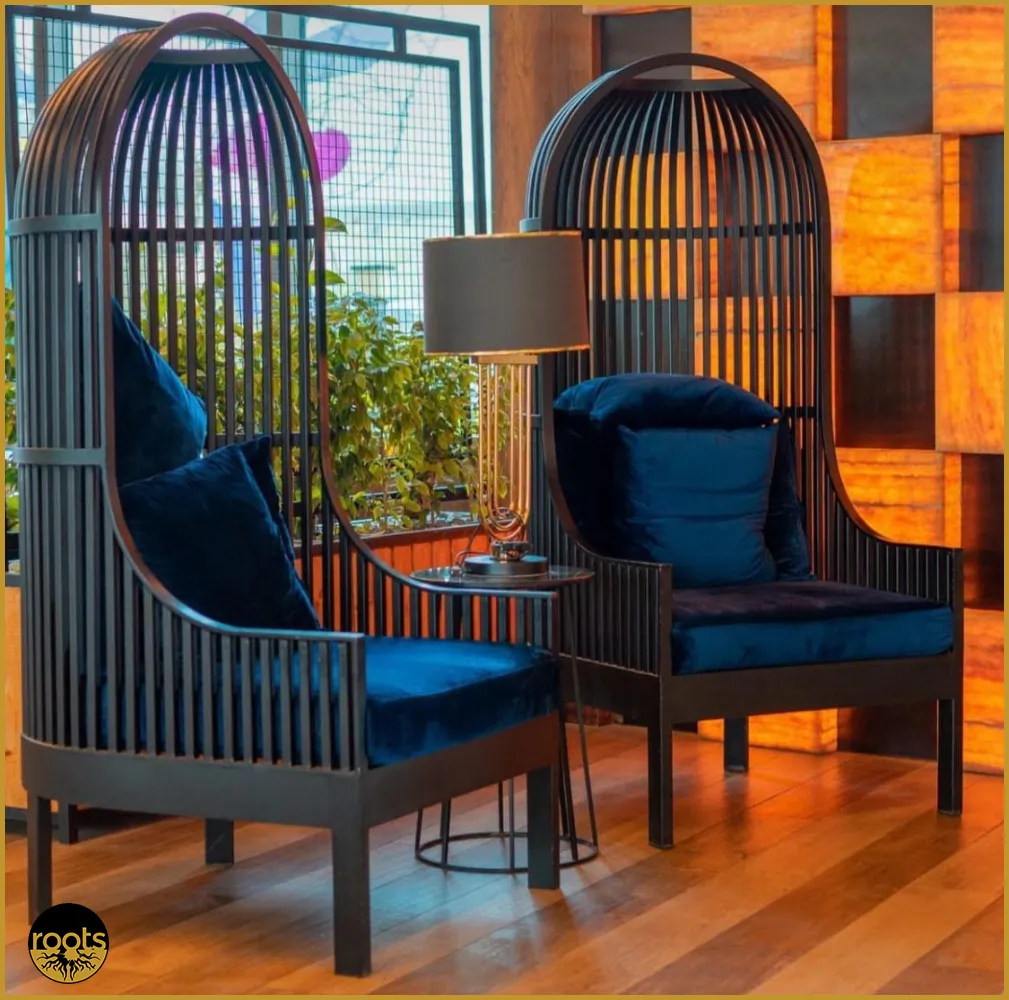
Architectural Restaurant Design: Reflect the Soul of Your Space
Restaurant design is not merely an aesthetic concern but a critical process that reflects the identity, concept and target audience of the space where you will host your guests. A successful architectural restaurant design brings together both visual appeal and functionality to offer an unforgettable experience. In this comprehensive guide, you will find the design elements that will maximize your restaurant's potential, the points to consider, and information that will contribute to your decision-making process.
What Is the Importance of Restaurant Design?
In a restaurant's success, the atmosphere of the space plays as great a role as the quality of the food. A well-designed restaurant impresses your customers from the very first moment, offers a comfortable environment and elevates your brand's value. The main benefits of restaurant design are as follows:
- It increases customer satisfaction and loyalty.
- It strengthens brand identity and ensures memorability.
- It increases operational efficiency by optimizing the flow within the space.
- It facilitates customer attraction by conveying the right message to the target audience.
- It creates a competitive advantage.
Who Is Architectural Restaurant Design Suitable For?
Architectural restaurant design is of great importance for the owner or investor of a food and beverage venue of any scale and concept. This process is especially critical for the following groups:
- Entrepreneurs planning to open a new restaurant.
- Those who want to renew the concept of their existing restaurant or modernize their space.
- Those seeking special solutions for different types of food and beverage venues such as cafes, bistros, fine dining and fast food.
- Business owners who want their spaces to look more professional and attractive.
- Those who prioritize user experience and want to offer their guests a different atmosphere.
Which Needs Does It Meet?
A comprehensive architectural restaurant design meets many fundamental needs:
- Aesthetics and Atmosphere: It determines the overall appearance of the space and creates an atmosphere that reflects the spirit of the brand.
- Functionality: It optimizes operational needs such as kitchen layout, service areas, seating arrangements and customer circulation.
- User Experience: It directly affects guests' comfort, convenience and the way they experience the space.
- Brand Image: It creates an identity suited to the restaurant's concept and target audience.
- Cost Control: It aims to achieve the best result within budget through material selections and project planning.
- Legal Compliance and Safety: It offers solutions compliant with legal standards such as fire safety and disabled access.
Restaurant Interior Designs: Details That Shape the Experience
Restaurant interior design is the aesthetic and functional arrangement of the areas where you host your guests. These details, which influence every moment your customers spend from the instant they enter the space until they leave, make your experience unique.
Points to Consider in Interior Design
The main elements to consider for a successful interior design are as follows:
- Determining the Concept: Your restaurant's theme, target audience and the type of cuisine it will offer will determine the overall style of the interior. A choice can be made among many concepts such as modern, rustic, industrial and bohemian.
- Seating Layout: A variety of seating options should be offered to appeal to different customer groups (individuals, couples, groups). The distance between tables should not obstruct customer and staff flow.
- Lighting: It is one of the elements that most affect the atmosphere of the space. The correct use of general lighting, accent lighting and decorative lighting enhances the warmth and elegance of the space.
- Color Palette: Colors directly affect the mood and emotional state of the space. Appetite-stimulating and refreshing colors compatible with the brand identity should be preferred.
- Material Selection: Choosing the right materials is important in terms of both aesthetics and durability. Every detail, from floor coverings to wall decorations, from furniture to accessories, should reflect quality.
- Acoustics: The sound arrangement of the space is also critical for the user experience. Excessive noise or, conversely, disturbing silence should be avoided.
- Planting and Decoration: Plants and artistic touches that bring vitality to the space enrich the atmosphere.
Comparison in Material Selection
The durability, aesthetic appearance and cost of the materials used in restaurant design are of critical importance for the success of the project. Here is a comparative summary of some commonly used material types:
| Material Type | Durability | Interior/Exterior Architectural Use | Cost (General) | Advantages | Disadvantages |
|---|---|---|---|---|---|
| Natural Stone (Marble, Granite) | High | Interior and Exterior | High | Elegant, durable, luxurious appearance | Heavy, difficult to install, may be prone to staining (depending on type) |
| Wood | Medium-High (depending on processing) | Interior | Medium-High | Warm, natural, aesthetic | May be sensitive to moisture and scratches, requires regular maintenance |
| Ceramic/Porcelain Tile | High | Interior and Exterior | Medium | Durable, easy to clean, wide range of patterns | Hard surfaces, may cause sound echo |
| Concrete (Decorative) | High | Interior and Exterior | Medium | Modern, industrial appearance, durable | May feel cold and hard, risk of staining (depending on coating) |
| Metal (Stainless Steel, Iron) | High | Interior and Exterior | Medium-High | Modern, industrial, durable, hygienic (stainless steel) | Persistent fingerprints (stainless steel), risk of rust (if made of iron), cold feel |
| Glass (Tempered, Laminated) | Medium-High (depending on type) | Interior and Exterior | Medium-High | Transparent, spacious, aesthetic, modern | Risk of breakage (regular glass), may retain fingerprints and stains |
Frequently Asked Questions (FAQ)
The most suitable design style should be determined according to your restaurant's concept, target audience and location. For example, a more classic and elegant style may be preferred for a fine dining restaurant, while a more modern and dynamic style may be preferred for a cafe aimed at young people. Working with a design expert will help you make this decision.
For budget management, first of all, cost planning should be carried out. More budget can be allocated to priority areas (such as seating area, kitchen efficiency). In material selections, both aesthetic and cost balance should be considered, and products that are durable and require little maintenance in the long term should be preferred. Second-hand or customized solutions can also reduce costs.
Natural light positively affects the spaciousness, energy and general atmosphere of the space. Making use of natural light sources as much as possible reduces the need for artificial lighting and creates a more inviting environment. It should be aimed to maximize natural light through window placement, glass types and interior arrangement.
Restaurant design is extremely important in terms of both aesthetics and functionality. As well as a space looking beautiful, functional elements such as efficient kitchen flow, ease of staff and guest movement, ensuring hygiene standards and a comfortable seating arrangement also play a critical role for the success of the space. It should be aimed for the two elements to come together in a balanced way.
Points to Consider in the Purchasing and Decision-Making Process
Paying attention to the following points during the process of purchasing an architectural restaurant design service or related products will help you make the right decision:
- Review References: Examine the designer's or company's previous projects and references in detail.
- Conduct a Needs Analysis: Make a clear analysis of your venue's current situation, your target audience and your expectations.
- Get a Detailed Quote: Get a detailed quote that includes all the work to be done, the materials to be used and the durations.
- Establish Communication: Establish open and honest communication with the designer and clearly express all your expectations.
- Ask About Technical Details: Learn technical details such as the durability, maintenance and hygiene standards of the materials to be used.
- Inquire About Legal Compliance: Make sure the design complies with all relevant regulations and safety standards (fire, accessibility, etc.).
- Ease of Maintenance and Repair: Evaluate whether the materials and design to be selected will be easy to maintain and repair in the long term.
Remember that good restaurant design is not only about creating a venue, but also the first step in offering your guests an unforgettable experience.











































































