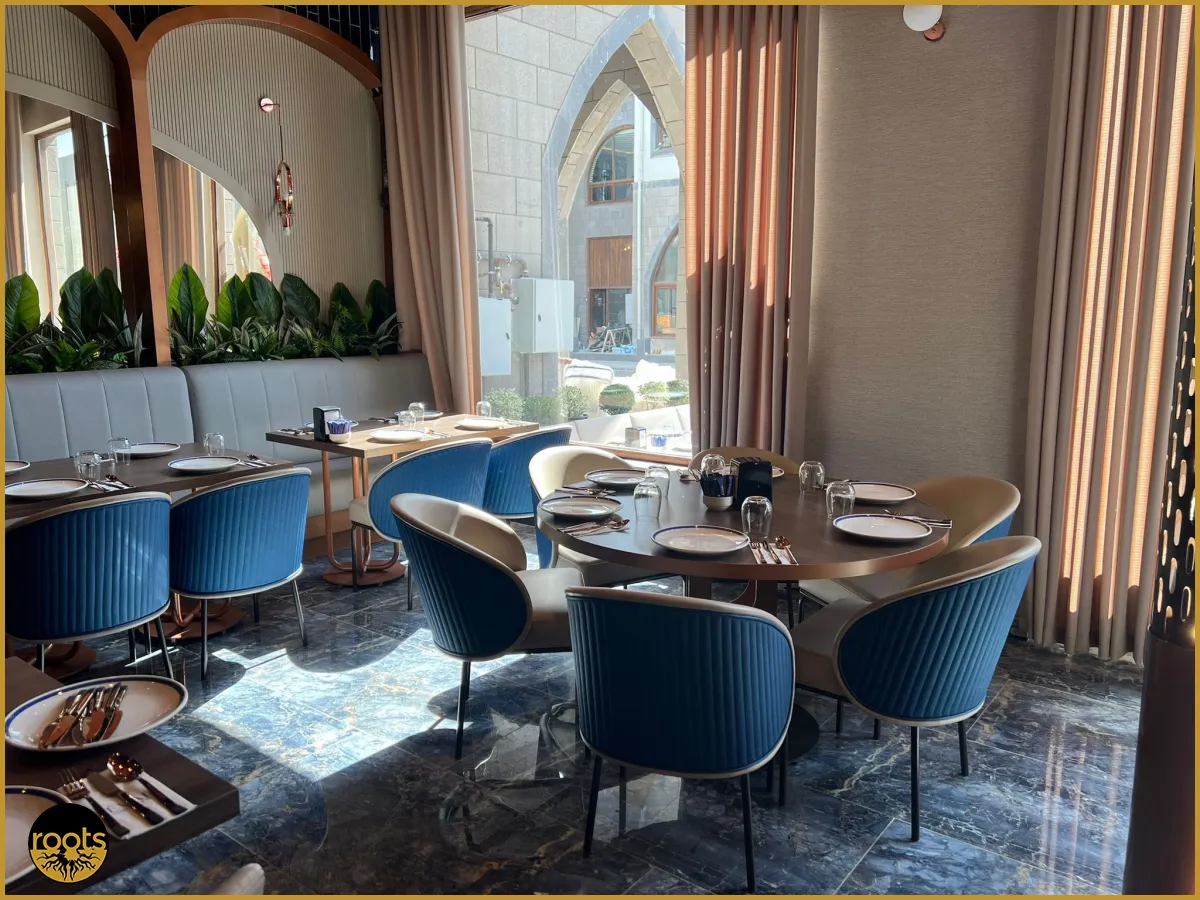
Restaurant Architecture and Interior Designs
Discover Your Venue's Potential for a Successful Restaurant Experience
In restaurant management, offering only delicious food is not enough. Ensuring that your customers have an unforgettable experience from the moment they step into the venue until the moment they leave is critical to the success of your business. What forms the foundation of this experience is professional restaurant architecture and interior designs. The success of a restaurant is directly proportional not only to the quality of its cuisine but also to the atmosphere it offers. At this point, a comprehensive design process that defines the character of your venue, reflects your brand identity and appeals to your target audience comes into play.
What Is Restaurant Design and Why Is It Important?
Restaurant design is a holistic planning process that addresses not only the aesthetic appearance of a dining venue but also its functionality, customer flow, staff work efficiency and brand identity at the highest level. This process covers many elements, from the architectural structure of the venue to its interior decoration, from its lighting to furniture selection, and even to sound acoustics.
- First Impression and Brand Identity: The exterior facade of a restaurant and the first moment you step inside leave a lasting impression in the customer's mind. The design should tell the story of your brand and shape expectations.
- Customer Experience: Comfortable seating areas, well-planned lighting, a pleasant atmosphere and easy accessibility directly increase customer satisfaction.
- Operational Efficiency: Good design enables kitchen staff to work quickly, waiters to serve and customer traffic to flow smoothly.
- Competitive Advantage: A unique and appealing design is essential to stand out from other venues in the sector and attract your target audience.
Who Is It Suitable For?
Restaurant architecture and interior design services appeal to a wide target audience:
- Those Opening a New Restaurant: Those who want to start from scratch and professionally plan every detail from concept to implementation.
- Those Who Want to Renovate Their Existing Restaurant: Operators who want to modernize the atmosphere of their venue, expand their customer base or stand out with a new concept.
- Cafes, Bars, Bistros and Other Dining Venues: Custom design solutions for all dining and socializing venues, regardless of the restaurant concept.
- Chain Restaurant Brands: Those who want to create standard designs that consistently reflect brand identity across different locations.
Which Needs Does It Meet?
A comprehensive restaurant design process meets many fundamental needs:
- Concept Development and Branding: Creating a unique concept suited to your restaurant's type, target audience and the flavors it will offer.
- Space Planning and Layout: Placing sections such as seating areas, bar, kitchen, service areas and restrooms in the most efficient and user-friendly way.
- Creating Aesthetics and Atmosphere: Establishing the desired ambiance by determining the overall appearance of the venue, its color palette, material selection and decorative elements.
- Functional and Ergonomic Design: Equipping kitchen and service areas with functional solutions so that customers can move comfortably and staff can work efficiently.
- Lighting and Acoustic Planning: Emphasizing the atmosphere of the venue with the right lighting and providing a comfortable environment with sound insulation.
- Compliance with Legal Regulations: Creating designs in accordance with construction and health standards such as fire regulations and disabled access.
In Which Situations Should It Be Preferred?
Professional restaurant design can be a turning point not only for new venues but also for existing businesses:
- Opening a New Restaurant: Receiving expert support throughout the entire process, from determining the concept to project delivery.
- Reorganizing an Existing Space: In situations where your business has become outdated, your customer base has changed, or you feel you are falling behind in competition.
- Concept Change: When transitioning to a different type of cuisine or when you want to gain a completely new identity.
- Efficiency Issues: In situations where your staff's movement areas are restricted, customer flow is disrupted, or there are problems with the general use of the space.
- Cost Optimization: For designs that require less maintenance in the long term, provide energy savings, and contribute to revenue by increasing customer satisfaction.
How Does It Differ from Alternatives?
There can be different approaches in the restaurant design process. Professional architectural and interior design offers distinct advantages over other methods:
- Experience and Expertise: An interior designer or architect knows in depth the aesthetic understanding, functionality, and legal regulations required by the industry.
- Holistic Approach: It offers planning focused not only on visuals but also on operations and user experience. Strategic solutions are produced instead of random decisions.
- Cost and Time Savings: The initial investment prevents faulty applications that may arise later, providing cost and time savings in the long term.
- Brand Integration: The design reflects your brand's DNA and strengthens the bond you establish with your target audience.
- Technological and Trend Knowledge: Contemporary spaces are created by having knowledge of current material technologies, lighting solutions, and design trends.
Material Selection: Durability, Aesthetics and Cost Comparison
In the selection of materials used in restaurants, the balance of durability, aesthetic appearance, and cost is of great importance. Some basic comparisons of different material types are presented in the table below:
| Material Type | Durability | Interior/Exterior Architectural Use | Cost (Relative) | Prominent Features |
|---|---|---|---|---|
| Natural Stone (Marble, Granite, etc.) | High | Interior and Exterior Architecture | High | Luxurious, Prestigious, Durable, Natural Beauty |
| Ceramic and Porcelain Tile | High | Interior and Exterior Architecture (Varies by Application Area) | Medium | Wide Pattern and Color Options, Easy Cleaning, Moisture Resistant |
| Wood (Solid, Veneer, Composite) | Medium-High (Depends on Processing) | Predominantly Interior Architecture (Exterior Area with Special Measures) | Medium-High | Warm, Natural, Aesthetic, Variety (Paint, Varnish, etc.) |
| Concrete/Microcement | Very High | Interior and Exterior Architecture | Medium | Industrial, Modern, Durable, Hygienic |
| Metal (Stainless Steel, Iron, etc.) | High | Interior and Exterior Architecture (By Application Area) | Medium-High | Industrial, Modern, Durable, Structural Element |
| Decorative Paints and Plasters | Medium-High | Predominantly Interior Architecture | Low-Medium | Wide Color and Texture Options, Cost Effective |
Material selection should be made by considering many factors such as your restaurant's concept, frequency of use, budget, and ease of maintenance. A professional designer will help you establish this balance in the best way.
Things to Consider Before Purchasing
The restaurant design process is an investment. To get the best efficiency from this investment, some important points need to be considered:
- Define a Clear Concept: Clarify what kind of restaurant you want to open, your target audience and the flavors you will offer.
- Determine Your Budget: Create a realistic budget covering design, construction, furniture, decoration and equipment expenses.
- Choose a Professional Team: Work with an experienced architect or interior designer with a strong portfolio who can communicate well with you.
- Review References: Examine the designers' previous work, especially restaurant projects.
- Make a Detailed Contract: Sign a contract that clearly states the scope, delivery dates, payment terms and responsibilities.
- Be Ready to Be Flexible: The design process is a process in which your expectations are integrated with the real potential of the space. Being open to expert suggestions will be beneficial.
Important Notes:
- Customer Flow and Ergonomics: A smooth layout is important so that customers entering the space can move around comfortably, reach the tables, and staff can provide service.
- Lighting Strategy: Both general lighting and special ambiance lighting directly affect the atmosphere and functionality of the space.
- Integration of Kitchen and Service Areas: Kitchen layout directly affects service speed and hygiene. The design must also pay attention to this area.
- Table and Seating Layout: The capacity, comfort and flexibility of the space to appeal to different customer groups (couples, families, groups) are determined by the table layout.
- Location and Design of Restrooms: It is an important part of the customer experience. Clean, accessible and aesthetic restrooms positively affect brand perception.
Frequently Asked Questions (FAQ)
How long does restaurant design take?
The duration of restaurant design varies depending on the size and complexity of the space, the required project scope and approval processes. On average, it can take from a few months to a year, including concept development, project drawing, licensing processes and implementation. Detailed planning and communication help optimize the process.
How does the design process work?
It usually starts with an initial meeting and needs analysis. It then includes steps such as concept development, preparation of preliminary projects, drawing of detailed projects, determination of the material and color palette, monitoring of the implementation phase and finally delivery of the space. You are in close communication with us at every step.
What should I pay attention to when choosing a designer?
When choosing a designer, it is important to carefully examine their portfolio, previous restaurant projects, communication style, references and working methodology. Choosing a professional who can understand your vision, offer innovative solutions and work within your budget is critical to the success of your project.
How much should the design budget be?
The design budget varies greatly depending on the scope of the project, the size of the space and the preferred material quality. A professional design process increases the return on your overall investment by offering more efficient and cost-effective solutions in the long term. It is recommended that you set a clear budget at the outset and speak openly with the designer about this.
Does it make sense to redesign an existing restaurant?
Absolutely yes. If the atmosphere of your existing restaurant has become outdated, does not meet customer expectations or you are experiencing operational problems, redesigning can increase the value of your business, attract new customer groups and raise your overall profitability. This is one of the most effective ways to renovate a space.
Professional architectural and interior designs for restaurants play a critical role in establishing a successful restaurant business or taking your existing business to the next level. By fully revealing the potential of your venue, you can both create unforgettable experiences for your customers and increase your operational efficiency. By working with an expert team that accurately analyzes your needs and vision, you can turn your dream restaurant into reality.











































































