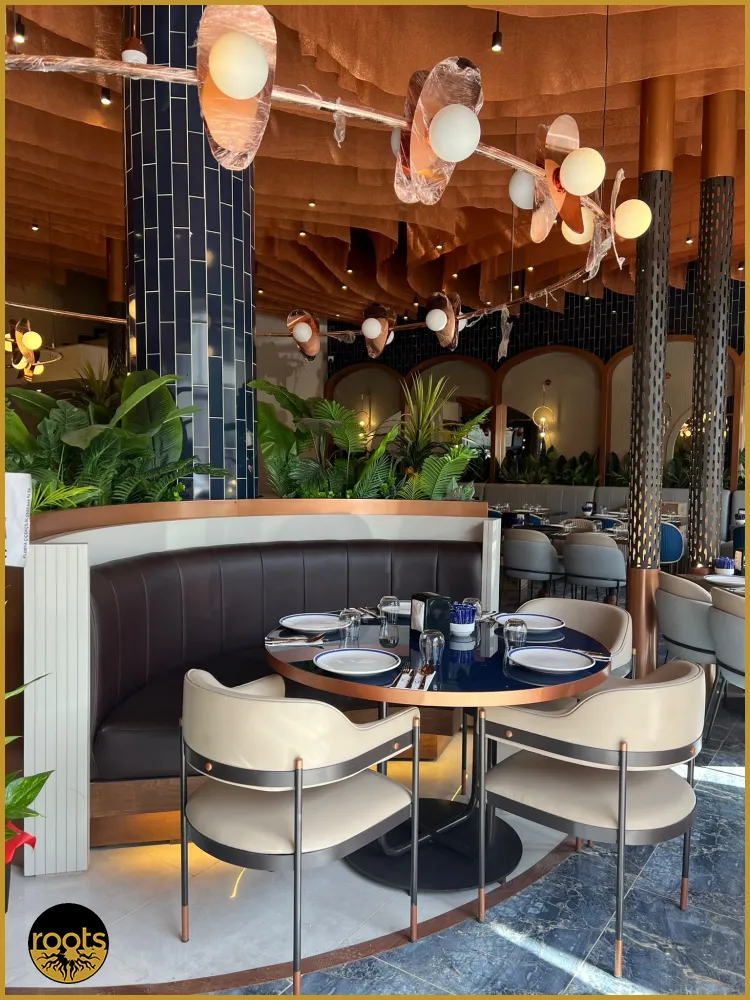
Architectural Restaurant Design: Elements That Add Value to Your Space
The right architectural restaurant design and impressive interior designs play a critical role in your restaurant's success. The atmosphere of a restaurant shapes the customer's experience as much as, and sometimes even more than, the food it serves. Successful restaurant design is more than just an aesthetic concern; it is a strategic process that reflects functionality, guest satisfaction and brand identity.
Why Is Good Restaurant Design Important?
Restaurant design is the first impression you offer your customers. This first impression both helps them form an emotional connection and directly affects the overall comfort and experience of the space.
- Customer Experience: Comfortable seating areas, good lighting, acoustic arrangement and a smooth circulation area make your customers feel special.
- Brand Identity: Design visually communicates your restaurant's concept, style and values, strengthening brand recognition.
- Operational Efficiency: Designing all areas functionally, from the kitchen layout to service areas, from storage solutions to restrooms, speeds up operational flow and increases staff efficiency.
- Competitive Advantage: A unique and inviting design sets you apart from your competitors and helps you become the preferred venue.
- Customer Loyalty: Customers who have a memorable experience tend to return to your restaurant and provide positive feedback.
Key Elements to Consider in Restaurant Design
Successful architectural restaurant design requires balancing many different elements. These elements must be addressed in both their aesthetic and practical dimensions.
1. Determining the Concept and Target Audience
The first step of the design process is to clearly determine your restaurant's concept (for example, luxury fine-dining, cozy bistro, fast-service cafe, etc.) and target audience. All details of the design should be built on these two foundations.
2. Space Planning and Circulation Flow
Space planning is the heart of the restaurant. Guests being welcomed at the entrance, directed to seating areas, their access to restrooms and the movement of restaurant staff between the kitchen and service areas must all be seamless. A smart layout offers a comfortable experience even during busy times.
3. Lighting Design
Lighting is one of the elements that most affect the atmosphere of a space. Different lighting techniques can be used in different areas: general lighting, task lighting (tables, counters), accent lighting (artworks, architectural details) and ambient lighting.
- Day and Night Differentiation: It is important to make the best use of daylight and to create a warm, inviting atmosphere in the evening hours.
- Color Temperature: The color temperature of bulbs (Kelvin) determines the feel of the space. Warm white tones create a more intimate environment, while cool white tones can give a more modern and energetic feel.
4. Color and Material Selection
Colors and materials form the overall character and texture of the space. Durable, easy-to-clean and aesthetically suitable materials should be preferred.
5. Furniture Selection and Layout
The comfort, durability and suitability of tables and chairs to the space are important. Different seating arrangements (individual tables, group tables, bar seating areas) can provide variety.
6. Acoustic Management
Noise in restaurants can negatively affect the customer experience. Proper acoustic management should be ensured by using sound-absorbing materials (carpets, curtains, special panels).
7. Integration of Kitchen and Service Areas
The kitchen is the engine of the restaurant. Kitchen design must comply with efficiency, hygiene and safety standards. The connection between service areas and the kitchen directly affects service speed.
8. Plumbing and WC Design
Clean and modernly designed restrooms are an important detail for guest satisfaction. Designs suitable for disabled access should not be overlooked either.
Types and Features of Materials Used
The materials used in restaurant designs stand out for both their aesthetic and functional features. Below is a comparison of some common material types:
| Material Type | Durability | Interior Architectural Use | Exterior Architectural Use | Average Cost (Relative) |
|---|---|---|---|---|
| Wood | Medium - High (Depending on type) | Flooring, wall cladding, furniture, ceiling | Partially (Sheltered areas, requires special treatment) | Medium - High |
| Natural Stone (Marble, Granite, etc.) | High | Flooring, countertops, wall cladding, decorative elements | Yes (Especially granite) | High |
| Ceramic and Porcelain | High | Flooring, wall cladding, countertops | Yes (Suitable types are available for exterior facade claddings and floors) | Medium |
| Metal (Stainless Steel, Iron, etc.) | Very High | Furniture frames, lighting elements, decorative details, kitchen equipment | Yes (With special coatings) | Medium - High |
| Concrete (Decorative / Polished) | High | Flooring, wall cladding, countertops | Yes (With special applications) | Low - Medium |
| Glass | Medium (Fragility increases with tempered glass) | Tabletops, partitions, lighting elements, decorative details | Yes (Facade claddings, railings) | Medium |
Who Is It Suitable For in Restaurant Design?
Professional architectural restaurant design services are suitable for the following groups:
- Restaurants to Be Newly Opened: It is the most accurate starting point for entrepreneurs who will create a venue from scratch.
- Those Who Want to Renovate Their Existing Restaurant: Business owners who want to change their concept, improve the customer experience, or modernize the worn parts of the venue.
- Those Who Want to Increase Brand Value: Businesses that want to strengthen the visual identity of their venues and project a more professional image.
- Those Experiencing Operational Problems: Businesses experiencing cramped spaces, poorly functioning kitchens, or disruptive customer experiences.
Which Needs Does It Meet?
A comprehensive restaurant design meets the following fundamental needs:
- Increasing the aesthetic appeal of the venue.
- Ensuring customer comfort and satisfaction.
- Creating an atmosphere that strengthens brand identity.
- Optimizing operational efficiency.
- Ensuring regulatory compliance and safety standards.
- Building customer loyalty and increasing the repeat visit rate.
What Sets It Apart from Alternatives
Unlike ready-made solutions or amateur approaches, a professional architectural restaurant design process offers the following advantages:
- Originality: It offers solutions specific to your venue's unique needs and concept.
- Expertise: Architects and interior architects combine both aesthetic knowledge and functional requirements.
- Cost Effectiveness: It provides cost savings in the long term through material choices, energy efficiency, and operational improvements.
- Professional Perspective: It develops strategies that will best guide the customer experience and brand perception.
- Time Savings: By managing complex design processes on your behalf, it allows you to focus your time on your business.
Things to Consider Before Purchasing
Before starting a restaurant design project, it is important to pay attention to the following points:
- References and Portfolio: Review the design team's previous restaurant projects and references.
- Conceptual Agreement: Evaluate how well the design team understands your vision and expectations.
- Budget Determination: Create a clear budget for design and implementation and share the scope of this budget with the design team.
- Communication and Collaboration: Establish a transparent and regular communication channel with the design team.
- Delivery and Process: Learn which stages the project will consist of, the delivery dates and possible revision processes.
- Technical Details: Inquire how technical details such as lighting, ventilation and material selection will be handled.
Frequently Asked Questions (FAQ)
A professional architectural restaurant design is the key to maximizing the potential of your space and offering your guests an unforgettable experience. It is important to take the right steps for functional and aesthetically flawless designs that reflect the spirit of your space.











































































