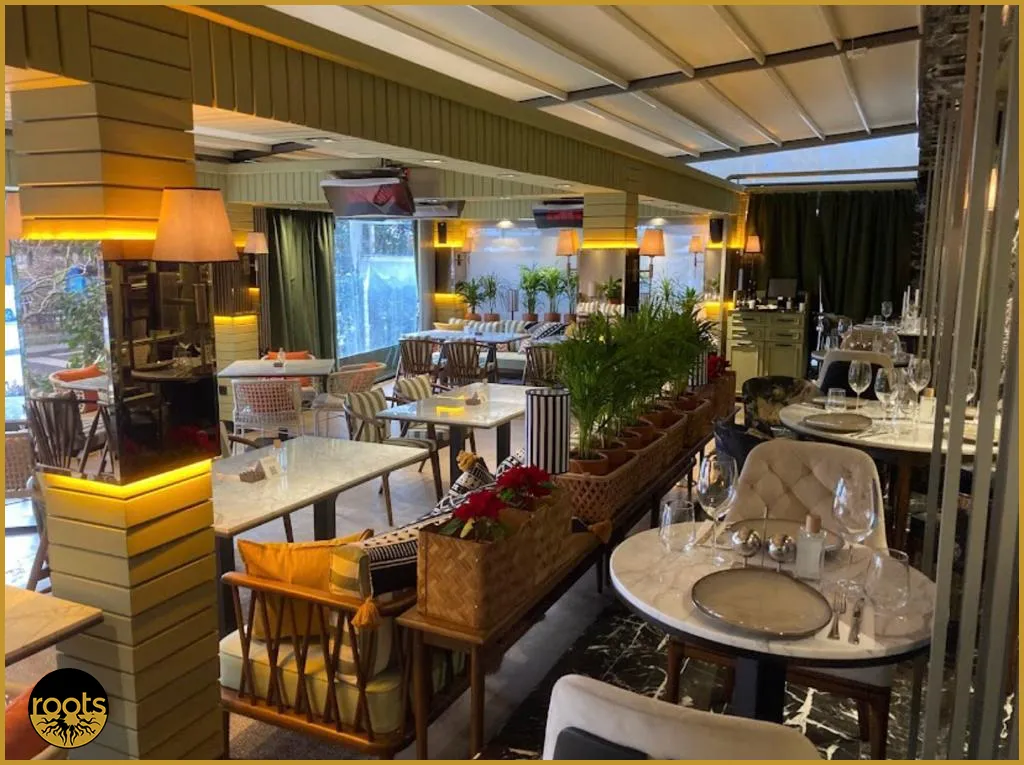
Architectural Restaurant Design: The Key to Creating Impressive Spaces
As much as the quality of the cuisine, the atmosphere of the space offered plays a major role in your restaurant's success. Customers come to restaurants not only to eat, but also to enjoy a pleasant experience. At this point, architectural restaurant design and restaurant interior designs come into play. A well-designed restaurant both pleases your guests and increases the value of your brand.
What Is Architectural Restaurant Design?
Architectural restaurant design is a comprehensive planning and implementation process created by bringing together the aesthetic, functional and environmental elements of a restaurant. This means much more than just choosing the color of the walls or placing the furniture. Architectural design covers the overall concept of the space, customer flow, seating arrangement, lighting strategy, sound insulation, and even the efficiency of the kitchen and service areas.
Why Is Professional Restaurant Design Important?
A design that accurately reflects your restaurant's identity and target audience sets you apart from your competitors and helps you create a unique brand image. A good design:
- Improves the customer experience and increases satisfaction.
- Strengthens the interior atmosphere of the space.
- Increases the work efficiency of the staff.
- Maximizes the potential of the space (seating capacity, service speed, etc.).
- Can provide cost savings in the long term (energy efficiency, durable materials).
Who Is It Suitable For?
Architectural restaurant design appeals to a wide audience, from entrepreneurs planning to open a new restaurant to business owners who want to modernize their existing spaces. Whether it is a small cafe or a large fine-dining restaurant, the right design solutions are available for businesses of every scale.
Which Needs Does It Meet?
Professional restaurant design focuses on meeting the following core needs:
- Aesthetics: Enhancing the visual appeal of the space and creating an atmosphere in harmony with the brand identity.
- Functionality: Optimizing customer flow, making service areas efficient and ensuring that staff can work comfortably.
- Comfort: Providing a comfortable environment for customers and staff (seating arrangement, climate control, lighting).
- Branding: Integrating the restaurant's story and concept with the design.
- Legal Compliance: Ensuring that the space complies with all relevant building regulations and accessibility standards.
When Should It Be Preferred?
Opening a new restaurant: It is ideal for planning the entire process correctly from the start.
Renovation of an existing restaurant: It is necessary for spaces that have become old-fashioned, whose functionality has decreased or that fail to meet customer expectations.
Concept change: When switching to a different type of cuisine or when the brand's image is to be updated, the design must also be renewed.
Increasing the usage efficiency of the space: When the goal is to make better use of the existing area, to host more customers or to speed up the service flow.
Different Material Types and Comparison
The materials used in restaurant designs require important decisions in terms of both aesthetics and functionality. Factors such as durability, ease of maintenance, cost and area of use are taken into consideration. Here is a comparison of some commonly used material types:
| Material Type | Durability | Indoor Use | Outdoor Use | Cost | Advantages | Disadvantages |
|---|---|---|---|---|---|---|
| Natural Stone (Marble, Granite, etc.) | High | High (Floor, countertop, wall cladding) | High (Usually in treated form) | High | Prestigious appearance, long-lasting, unique patterns | Heavy, may require special maintenance, can be slippery |
| Wood (Solid, Veneer) | Medium-High (In treated form) | High (Floor, wall cladding, furniture, ceiling) | Medium (With special impregnation processes) | Medium-High | Warm and inviting atmosphere, natural appearance, workability | May be sensitive to moisture and scratches, requires regular maintenance |
| Ceramic and Porcelain Tile | High | High (Floor, wall cladding, countertop) | High (Outdoor ceramics) | Low-Medium | Easy to clean, moisture-resistant, wide range of patterns and colors | Hard surface, risk of breakage (in cases such as falling, etc.), cleaning of grout lines |
| Concrete and Micro Concrete | High | High (Floor, wall, countertop, furniture) | High | Medium | Industrial and modern appearance, durable, can be made water and stain resistant | Application requires expertise, can give a cold feeling, risk of cracking (minimized with quality application) |
| Metal (Stainless Steel, Iron, etc.) | High | Medium-High (Furniture, lighting, decorative elements) | Medium-High (With coating and stainless properties) | Medium-High | Modern, industrial or luxurious appearance, durable, hygienic (stainless steel) | Risk of scratching (some types), fingerprints may remain, sound insulation may be poor |
Our Differentiating Aspects from Alternatives (or Why Should You Choose Us?)
Although there are many companies offering design services in the market, our approach will differentiate you in the following points:
- Bespoke Design Approach: We believe that every restaurant has its own unique spirit. Our designs are developed bespoke, taking into consideration every detail from the location of the space, to your target audience, from your kitchen concept to your budget.
- Balance of Functionality and Aesthetics: We create spaces that are not only beautiful but also practical and functional. We aim to maximize customer experience and staff efficiency.
- Innovative Approach Following Trends: While closely following the latest trends in architecture and interior design, we ensure that your space has a timeless elegance.
- Emphasis on Details: Every detail, from lighting to furniture selection, from color palette to acoustic arrangement, is carefully planned to offer a holistic design experience.
- Transparent Process and Communication: We stay in close contact with you at every step of the design process. Open communication and regular feedback ensure that the project progresses in line with your expectations.
Things to Consider Before Purchasing
Paying attention to the following points before starting a restaurant design project will ensure that the process goes more smoothly and successfully:
- Determine Your Budget: Create a detailed budget covering design, project management, renovation, furniture and decoration costs.
- Define Your Target Audience: Knowing who you want to appeal to is critical in shaping your design decisions. (e.g., Family restaurant, gourmet flavors, fast service, etc.)
- Consider the Structural Features of the Space: The physical limitations of the existing space (columns, window placement, load-bearing walls, etc.) should be taken into account in the design.
- Prioritize Functionality: Do not overlook not only aesthetics but also functional requirements such as kitchen efficiency, customer flow, ease of service.
- Identify Your Sources of Inspiration: Collecting examples from restaurant designs, color palettes or atmospheres you like and sharing them with your designer helps you establish a common language.
- Work with an Experienced Designer: Working with an architect or interior designer who specializes in restaurant design, has a strong portfolio and can communicate well with you increases your chances of success.
- Research Legal Permits: Learn about the legal permits and regulations required for restaurant openings and renovations.











































































