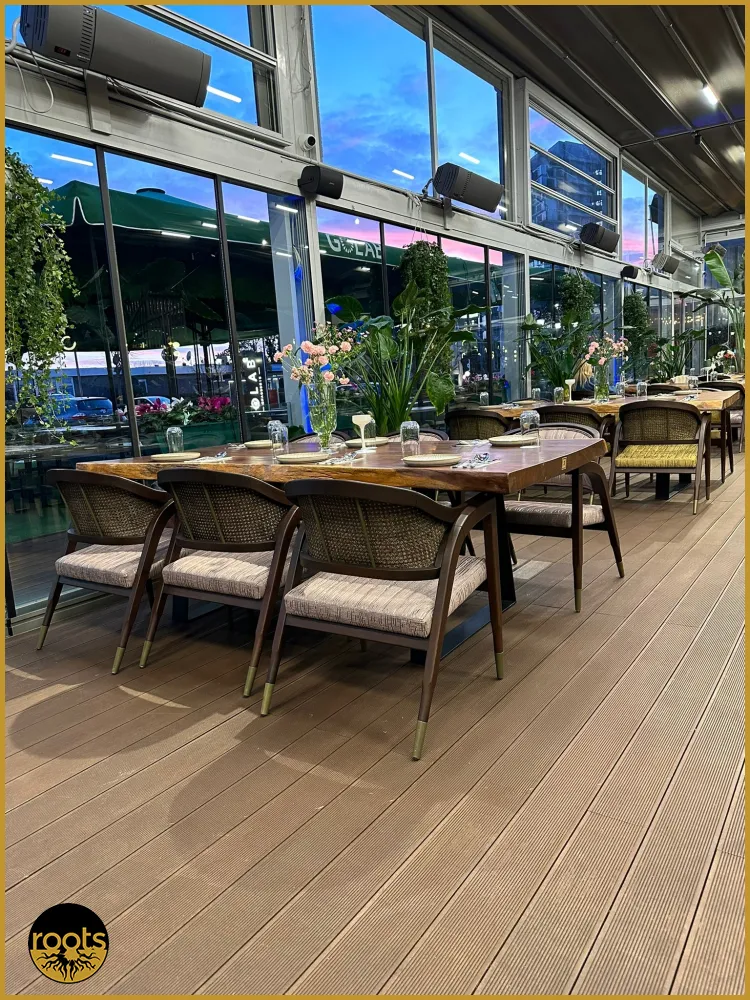
Architectural Restaurant Design: Touches That Transform Your Space
Alongside delicious food, the ambience it offers and the overall atmosphere of the space play a major role in a restaurant's success. Architectural restaurant design not only addresses aesthetic concerns but also forms the foundation for offering your guests an unforgettable experience by increasing operational efficiency.
In this comprehensive guide, we aim to answer all the questions that may come to mind while creating the ideal interior design for your restaurant, to help you make informed decisions, and to guide you through the process of transforming your space into a center of attraction.
What Is Restaurant Design and Why Is It Important?
Restaurant design is the process of making the physical space of a dining venue functional and aesthetically appealing in line with its concept. This process covers a wide range, from the interior architecture of the space to furniture selection, from the lighting plan to the color palette. Good restaurant design:
- Strengthens Brand Identity: A design that appeals to your concept and target audience increases your brand awareness.
- Improves Customer Experience: Comfortable seating areas, spacious environments and a pleasant atmosphere keep your guests in your venue longer and ensure they have a positive experience.
- Increases Operational Efficiency: Smart planning of kitchen and service areas allows your staff to work faster and more effectively.
- Provides a Competitive Advantage: It enables you to stand out from other venues around you and attract attention.
Who Should Receive Architectural Restaurant Design Services?
Architectural restaurant design is of great importance not only for those who will open a new restaurant but also for operators who want to renovate their existing spaces or solve their operational problems. The main groups that can benefit from our service are:
- Those Opening a New Restaurant or Cafe: To determine the right concept and space at the initial stage.
- Those Who Want to Renovate Their Existing Restaurant: To modernize the outdated appearance of the space, create a new concept or increase customer satisfaction.
- Those Experiencing Operational Problems: To solve issues such as cramped areas, inadequate kitchen layout or disruptions in staff flow.
- Those Aiming for Capacity Increase: Those who want to host more guests by optimizing seating areas.
- Those Who Want to Appeal to a Specific Target Audience: For example, those who want to create a romantic dinner venue, a family-friendly restaurant or a dynamic cafe.
What Needs Does Architectural Restaurant Design Meet?
A comprehensive architectural restaurant design meets many different needs of your space:
- Spatial Planning and Optimization: Using the area in the most efficient way and providing a comfortable flow for both guests and staff.
- Concept Determination and Implementation: Creating a unique atmosphere that reflects the spirit of your restaurant and appeals to your target audience.
- Aesthetics and Visual Harmony: Ensuring that all elements such as colors, materials, furniture and lighting are in unity.
- Functionality and Ergonomics: Optimizing service points, kitchen layout, restrooms and seating areas in terms of ease of use.
- Cost Effectiveness: Selecting durable and easy-to-maintain materials in the long term, and lighting solutions that provide energy efficiency.
- Legal Compliance and Safety: Designs that comply with legal requirements such as fire regulations and disabled access.
In Which Situations Should Architectural Restaurant Design Be Preferred?
Architectural restaurant design becomes a particularly strategic investment in the following situations:
- When Establishing a New Business: Planning the space correctly from day one prevents possible future problems.
- In a Highly Competitive Environment: Having an aesthetic and functional design is critical to differentiate and stand out.
- When the Performance of the Existing Space Is Low: If there is low customer satisfaction, decreasing revenue or operational disruptions, a design update can be the solution.
- When the Brand Image Is to Be Renewed: To refresh an old or outdated image and attract the target audience again.
- When a Special Experience Is to Be Offered: For example, a concept-focused design is essential for theme restaurants or luxury dining venues.
Our Aspects That Differentiate Us from Alternatives
Although there are different design approaches in the market, we offer a comprehensive and holistic service approach:
- Concept-Focused Design: Instead of focusing solely on visual beauty, we develop original concepts that center on your brand's identity and your target audience's expectations.
- Combining Functionality and Aesthetics: We ensure that your space both looks pleasing to the eye and works flawlessly from an operational standpoint.
- Detailed Project Planning: From lighting to furniture layout, from color selection to material use, we meticulously plan every detail.
- Technical Knowledge and Experience: With our command of the technical details in construction and implementation processes, we anticipate the difficulties that may be encountered in bringing the design to life and produce solutions.
- Sustainability and Cost Optimization: In the long term, we recommend materials and solutions that both reduce environmental impact and lower your operating costs.
Points to Consider in Material Selection
The selection of materials to be used in restaurant design directly affects both the aesthetics and the durability of the space. The following table can serve as a guide regarding the general characteristics and areas of use of different material types:
| Material Type | Durability (General) | Interior/Exterior Architectural Use | Cost (General) | Prominent Features |
|---|---|---|---|---|
| Natural Stone (Marble, Granite, etc.) | High | Interior (countertops, flooring, wall cladding) and Exterior (facade, flooring) | High | Luxurious, durable, easy to maintain, aesthetic variety |
| Wood (Solid, Veneer, Composite) | Medium - High (depending on type) | Interior (furniture, flooring, wall paneling) | Medium - High | Warm atmosphere, natural appearance, variety (depending on processing) |
| Ceramic and Porcelain Tile | High | Interior (flooring, walls) and Exterior (flooring, walls) | Low - Medium | Durable, stain-resistant, hygienic, wide range of patterns and colors |
| Concrete and Decorative Plasters | High | Interior (walls, flooring) and Exterior (walls, flooring) | Low - Medium | Industrial, modern and minimalist appearance, durable |
| Metal (Stainless Steel, Iron, etc.) | High | Interior (furniture, lighting, accessories) and Exterior (facade elements, railings) | Medium - High | Modern, industrial, durable, design flexibility |
| Glass and Mirrors | Medium (fragility) | Interior (walls, partitions, decorative elements) | Medium | Creating a sense of spaciousness, reflecting light, modern aesthetics |
Frequently Asked Questions (FAQ)
- Light Color Palettes: Using light colors on walls and furniture makes the space look larger.
- Mirrors: Mirrors placed at strategic points can make the space look larger than it is by reflecting light and creating a sense of depth.
- Vertical Design Elements: High ceilings or vertical lines draw the eye upward and make the space be perceived as taller.
- Smart Furniture Selection: Choosing multifunctional or compact furniture helps use the space more efficiently.
- Natural Light: Maximizing the use of natural light as much as possible keeps the space bright and spacious.
Things to Consider Before Purchasing
Paying attention to the following points before starting the architectural restaurant design process will ensure that the process proceeds more smoothly and successfully:
- Set a Clear Budget: Create a realistic budget for all items such as design, implementation, furniture and lighting.
- Define Your Target Audience: Knowing whom your space will appeal to will shape your design decisions.
- Determine Your Concept: Think in advance about what kind of atmosphere you want to create and a concept compatible with your menu.
- Review References: Research the design features of restaurants you like and share them with the designer.
- Get Professional Support: Working with experienced architects and interior architects in their field is the most reliable way to turn your dream space into reality.
- Plan the Implementation Process: Consider the steps required to bring the design to life, the timeline and potential challenges.
The success of your restaurant is directly related not only to the flavors you offer but also to the experience you create. A professional architectural restaurant design will take your space beyond being just a physical area and turn it into a place your guests will never forget.











































































