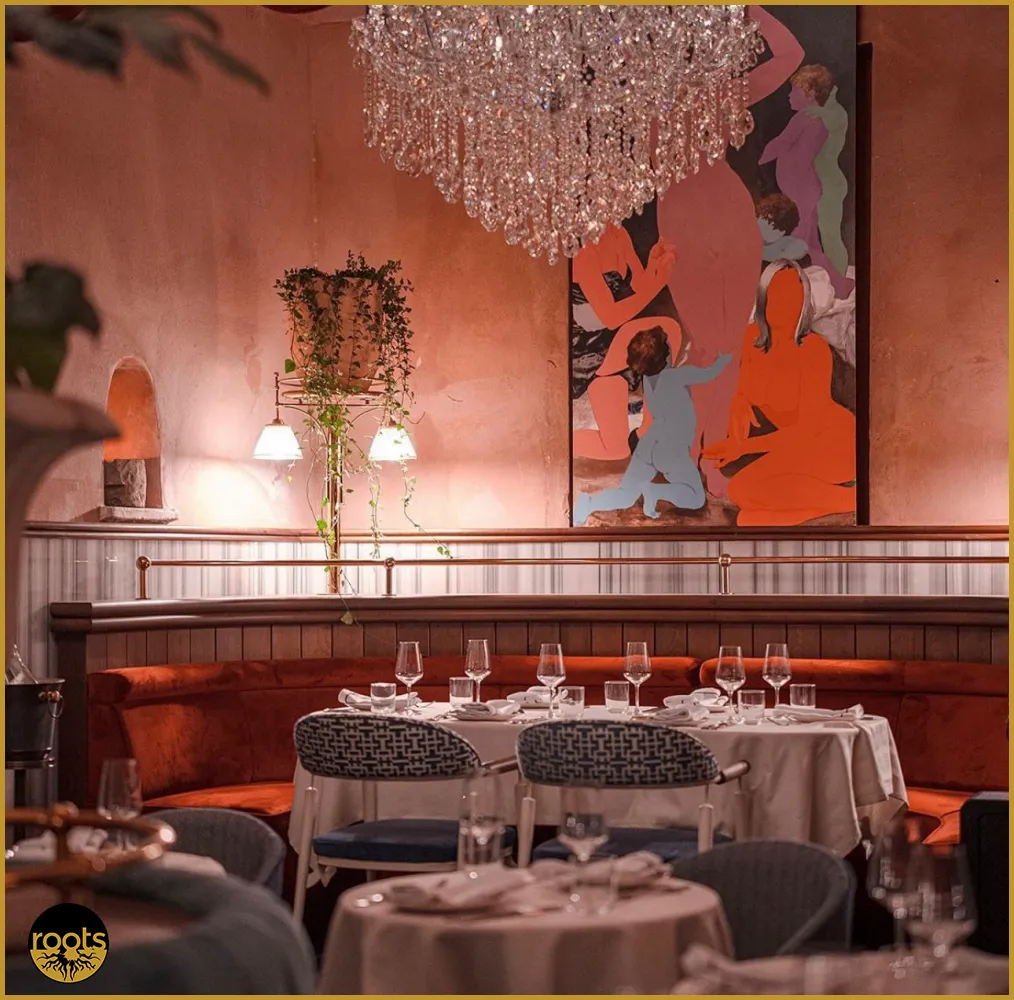
INTERIOR ARCHITECTURE RESTAURANT DESIGNS - RESTAURANT INTERIOR DESIGNS: Reimagine Your Space
A restaurant interior architecture means much more than just creating an area where food is eaten. It is a critical element that directly affects the atmosphere of the space, the customer experience, the brand identity and operational efficiency. A successful interior design not only attracts your guests, but also makes the time they spend in the space enjoyable and encourages them to visit again.
Restaurant interior designs bring together many factors beyond aesthetic concerns, such as functionality, user comfort, brand integrity and compliance with industry standards. The right design impresses your potential customers at first glance while also increasing the satisfaction of your existing customers.
What Does Restaurant Interior Design Do?
An effective restaurant interior architecture design fulfills many important functions:
Who Is It Suitable For?
INTERIOR ARCHITECTURE RESTAURANT DESIGNS - RESTAURANT INTERIOR DESIGNS are suitable for restaurant businesses of every scale and concept:
- Entrepreneurs planning to open a new restaurant.
- Business owners who want to modernize the atmosphere and functionality of their existing restaurant.
- Businesses serving different concepts (for example; fine dining, bistro, cafe, fast food, themed restaurants).
- Those who want to create an innovative and original atmosphere in their space.
- Those aiming to increase customer satisfaction and return rates.
Which Needs Does It Meet?
Restaurant interior designs offer solutions to a wide range of needs:
- Aesthetics and Visual Appeal: It improves the overall appearance of the space, leaving a positive first impression on guests.
- Comfort and Usability: It offers ergonomic furniture, appropriate seating arrangements and a comfortable atmosphere.
- Flow and Circulation: It includes arrangements that allow customers and staff to move comfortably within the space.
- Lighting and Acoustics: The desired ambiance is created with the right lighting scenarios and sound insulation.
- Kitchen and Service Area Optimization: Functional arrangement of the kitchen, bar and service points so that staff can work efficiently.
- Storage and Technical Infrastructure: Integration of the necessary storage areas and technical infrastructures (ventilation, electricity, plumbing, etc.).
In Which Situations Should It Be Preferred?
It is important to receive restaurant interior architecture design services in the following situations:
- When Opening a New Restaurant: To create a space that fully reflects your brand identity and concept.
- When the Existing Space Needs Renovation: To modernize a space that is outdated, worn out or no longer meets needs.
- When Making a Concept Change: When you change your restaurant's concept or target audience, to make the space suitable for it.
- When a Decline in Customer Satisfaction Is Observed: In cases where spatial inadequacies or discomforts negatively affect the customer experience.
- When Wanting to Differentiate in a Competitive Environment: To create a memorable space that sets you apart from your competitors.
In Which Ways Does It Differ from Its Alternatives?
Unlike simple arrangements you would make on your own or standard furniture choices, a professional restaurant interior architecture design offers the following advantages:
- Customized Solutions: Offers unique solutions tailored to your venue's characteristics, your concept and your target audience.
- Expertise and Experience: Acts with in-depth knowledge of construction, material knowledge, lighting principles, ergonomics and industry trends.
- Balance of Functionality and Aesthetics: Creates spaces that are not only beautiful to look at but also practical and efficient to operate.
- Cost Optimization: Provides long-term cost savings in terms of material selection, labor and operational efficiency.
- Compliance with Legal Standards: Offers designs that comply with legal requirements such as fire safety, accessibility and hygiene.
- Brand Integrity: Creates a visual identity consistent with all elements, from your restaurant's logo to its menu, from staff uniforms to its space.
Material Options and Features
Materials used in restaurant interiors are of great importance in terms of both aesthetics and durability. The table below presents a comparison of some commonly used material types:
| Material Type | Durability | Interior/Exterior Architectural Use | Cost |
|---|---|---|---|
| Natural Wood | Medium-High (requires maintenance) | Generally interior (can also be used outdoors with special treatments) | Medium-High |
| Wood Veneer | Medium (may be sensitive to impacts) | Interior | Medium |
| Laminate on MDF/Chipboard | Medium (surface resistant to scratches and water) | Interior | Low-Medium |
| Natural Stone (Marble, Granite, etc.) | High (careful use required against scratching and staining) | Interior and exterior | High |
| Ceramic and Porcelain Tile | High (resistant to wear and water) | Interior and exterior (with appropriate product selection) | Low-Medium |
| Concrete (Decorative) | High (careful application required against cracking) | Interior and exterior | Medium |
| Metal (Stainless Steel, Iron, etc.) | High (may require measures against corrosion) | Interior and exterior | Medium-High |
| Fabric (Upholstery) | Medium-High (stain-resistant and easy-to-clean properties are preferred) | Interior | Variable (depending on material) |
| Leather (Upholstery) | High (requires maintenance) | Interior | High |
Points to Consider Before Purchasing
When starting a restaurant interior design project or considering receiving this service, it is important to pay attention to the following points:
- Determine Your Budget: Create a clear budget covering design, materials, implementation and decoration costs.
- Define Your Concept: Be clear on matters such as your target audience, the type of cuisine you will offer, and the overall atmosphere of the venue.
- Analyze Your Space: Take into account the physical characteristics of your existing space (dimensions, natural light, columns, etc.).
- Get Professional Support: Working with experienced interior architects will make the process more efficient and successful.
- Review References: Research the designer's previous work and client feedback.
- Express Your Needs Clearly: Clearly state your requests, expectations and priorities to the design team.
- Research Permits and Licenses: Learn about the municipal permits and licenses required for the renovations to be carried out.
- Pay Attention to Material Quality: Choosing long-lasting and easy-to-maintain materials will reduce your business's costs.
Frequently Asked Questions
How long does the restaurant interior design process take?
The design process may vary depending on the size and complexity of the project and the approval processes. Generally, the concept development, drawings, approvals and detailing stages can take several weeks. The implementation period, on the other hand, varies according to the scope of the renovations carried out.
Is it possible to redesign an existing restaurant?
Of course. It is possible to redesign the interior of an existing restaurant to make it suitable for your concept, your needs and current trends. During this process, the best solutions are produced by taking the existing structure of the venue into consideration.
Which types of lighting are ideal for restaurant interiors?
Ideal lighting varies according to the restaurant's concept and the atmosphere to be created. Generally, a combination of general lighting, task lighting (for example, over tables) and accent lighting is used. Warm-toned and dimmable light sources help create an intimate and inviting environment.
How are durable and easy-to-clean materials selected?
In areas subject to intensive use (floors, tables, bar counters), durable and stain-resistant materials such as ceramic, porcelain and natural stone should be preferred. For upholstery fabrics, special textiles with stain-resistant and easy-to-clean properties should be used.
Is the selection of decoration and accessories included in the design process?
Generally, the selection of decoration and accessories is also part of professional interior architecture design services. These elements are carefully selected to be in harmony with the overall concept of the venue, with the aim of providing aesthetic and functional integrity.
This content is for informational purposes.











































































